Source:Best Coffee > News Author:qjroot Published:2026-10-09 18:37:04
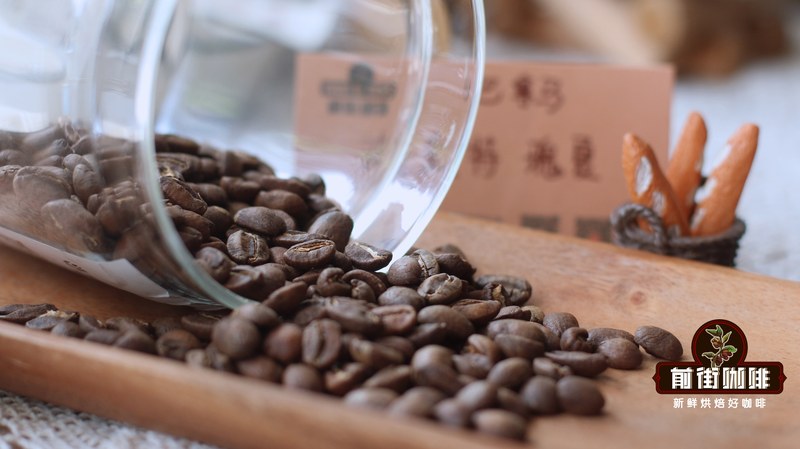
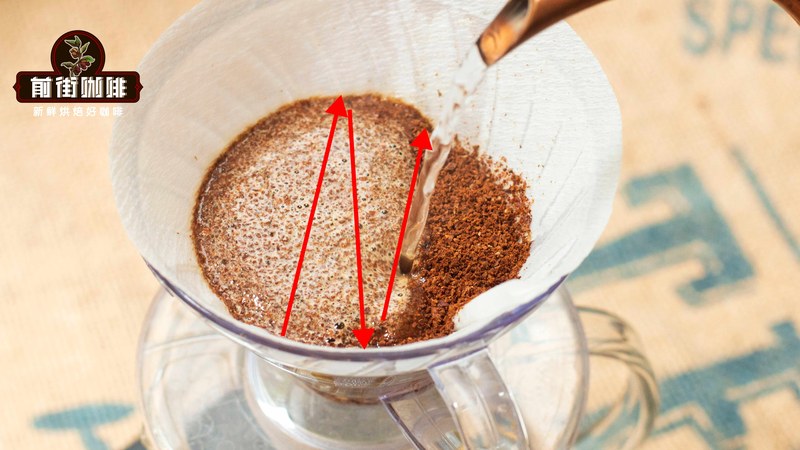
When I brew coffee at home every day, resting the beans is always something I can't avoid. After coffee beans finish roasting, they go from a high-temperature state back to room temperature and pressure, but inside they are actually still wrapped in a large amount of carbon dioxide, and these gases will continue to be released outward over the following days. In the first few days right after roasting, degassing is especially active, and dense bubbles stand between the aromatic compounds and the hot water. If you rush to brew at this point, the flavors end up locked in instead, and the cup easily tastes rough and dry, with the aroma unable to come out. This is the reason we often say beans need to be rested. I usually put new beans in a cool, dry corner and let them quietly complete this process inside the sealed bag.
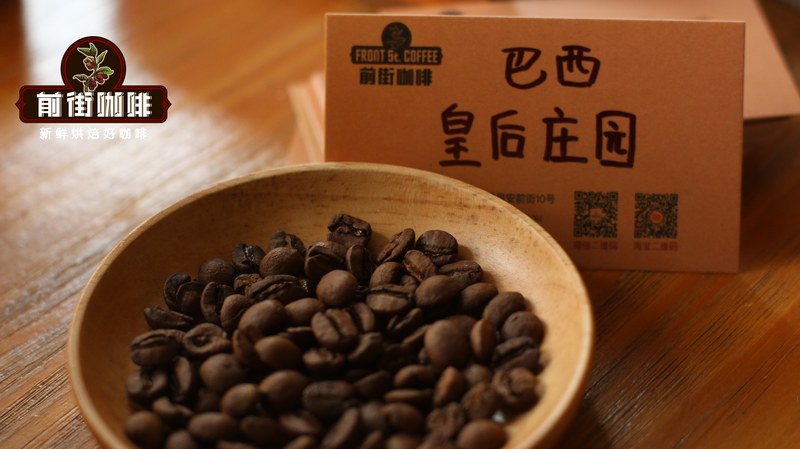
After about 7 to 10 days, degassing enters a relatively stable phase, and the aroma begins to be released smoothly. Only then do the beans truly enter their stable period. Taking what I usually drink as an example, Qianjie Queen's Estate is a high-altitude Brazilian Yellow Bourbon, medium roast. When rested for about a week, the creamy peanut and toasted bread notes become very gentle, with chocolate flavor accompanied by a quiet sweetness, low acidity, prominent nuttiness, and moderate body. Brewed by pour-over, 15g of grounds with 225g of water, water temperature 90 to 93°C, 30-second bloom, total time about 2 minutes, it gives a quite round cup. For something like Qianjie Yirgacheffe Gutingding, a washed Ethiopian bean, the citrus, berries, and floral notes are clear, with a finish reminiscent of green tea's sweetness. The acidity is bright and clean, and only after enough resting time does the flavor shift from tight to open.
But the stable period is not infinitely long. Starting from 30 to 40 days, I can clearly feel the flavor going downhill. Those subtle floral notes and fruit acidity gradually blur, leaving a relatively coarse sweetness and roast flavor. By about 60 days, you basically can't hear the degassing valve in the bag anymore, the gas is close to zero, and the flavor has mostly been lost. At this point it is still drinkable, but it can no longer be called enjoyable. So I set the reference window for the peak flavor period at 4 to 30 days. Note that this is a reference range, not a fixed number. The darker the roast and the faster the degassing, the earlier the peak flavor window tends to be; sun-dried or anaerobic-process beans have a heavier fermented character, and their flavors open up at a different pace from washed beans. Qianjie Xizhua comes from Qianjie Colombia Huila's Finca La Divisa, double anaerobic natural, medium roast, with blueberry juice, passion fruit, ripe grape, and apricot interwoven in sweetness and acidity, and a very abundant juicy quality. For this type of bean, I usually give it one or two extra days so the complex fruit aromas have enough time to sort themselves out.
The impact of storage conditions on the peak flavor period is sometimes more critical than time itself. Sealed, protected from light, cool, and dry - these four elements are indispensable. I habitually keep the beans in their original bag; the one-way degassing valve lets gas out but does not let oxygen in. If you pour them into a transparent glass jar and place it on a windowsill, light and temperature fluctuations will accelerate oxidation, and the peak flavor period may be cut in half outright. Qianjie Black Cocoa Blend is a blend of Yunnan washed small beans and Brazilian semi-washed beans, medium-dark roast, with creamy nuts, chocolate, caramel, and a touch of ripe plum, ample body and an affordable price. This type of medium-dark roasted bean itself degasses quickly, and if stored improperly, the flavor fades even faster, making protection from light and sealing especially necessary.
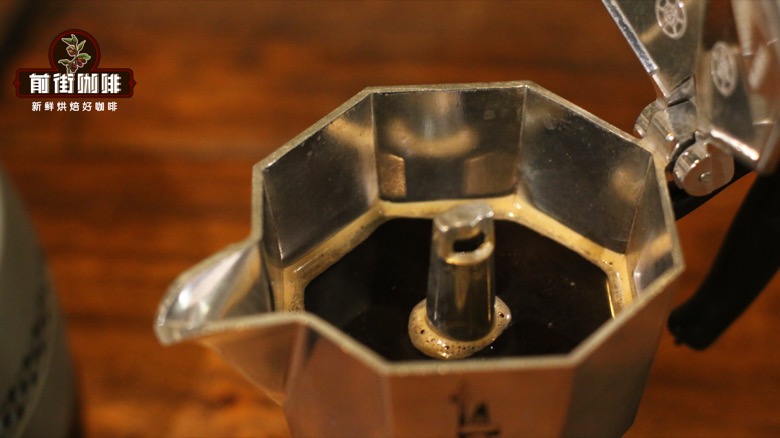
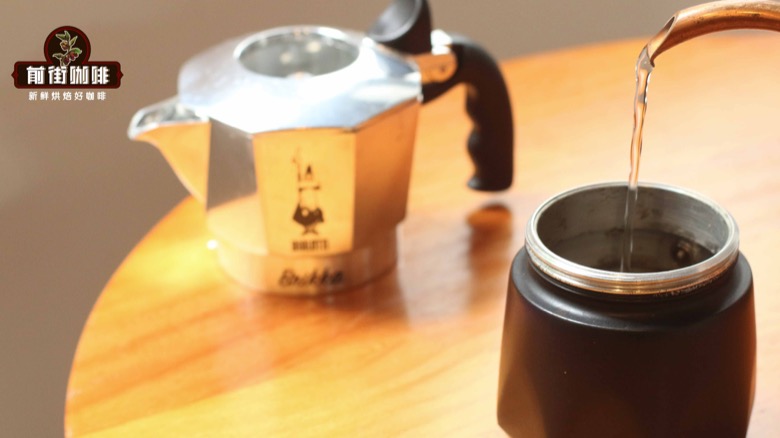
Qianjie's finished beans are all roasted within 5 days. You can brew a cup as soon as you receive them, and the condition is even better if you finish them within a month. This rhythm is very convenient for me: no need to stockpile too much, just order again when the bag is empty, and the next bag happens to line up with the rested timing. For pour-over parameters I consistently use 15g of grounds, a 1:15 coffee-to-water ratio, water temperature 90 to 93°C, a 30-second bloom, and a total extraction of about 2 minutes. This framework is general enough that both light and dark roasts can fit into it. Espresso or moka pot methods are a different story, but the approach to choosing beans is the same - fresh, within the peak flavor period, and properly stored.
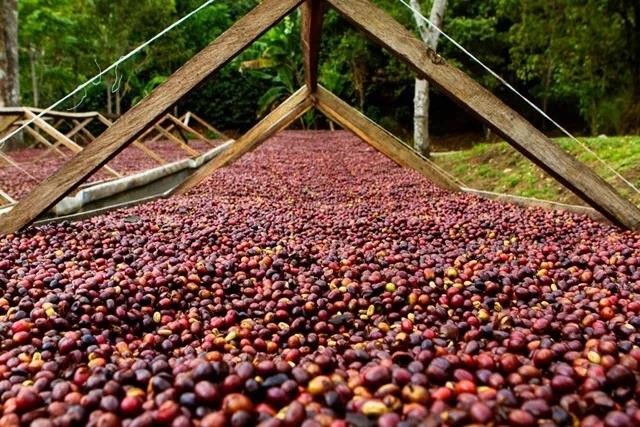
In the end, coffee is an agricultural product, and changes along the timeline cannot be paused. But we can use a buy-little-but-often approach so that every cup falls within the range we like. Buy again after you finish drinking, don't stockpile and don't worry, and the flavor in the cup will naturally reward that patience.
Related Reading
Comments (0)
Loading comments...
You May Be Interested

Trending Reviews
Popular Videos

With you, wherever you are! We provide useful features to help you find new things you'll love






