Source:Best Coffee > News Author:qjroot Published:2026-09-02 18:26:40
For a cup of moka pot coffee that is strong but not scorched, the grind size usually falls in the medium-fine range. It is finer than the grind used for pour-over, but it cannot reach the powdery feel of an espresso machine. Think of the coffee grounds as fine granulated sugar: when you gently stir them with your finger, you can still feel the edges of the particles, and that is usually a workable starting point. Too coarse and the water will pass quickly through the coffee bed, leaving only a thin, bitter-sour cup; too fine and it easily clogs the channels, concentrating heat and pressure in the coffee bed, which makes burnt bitterness and astringency more pronounced.
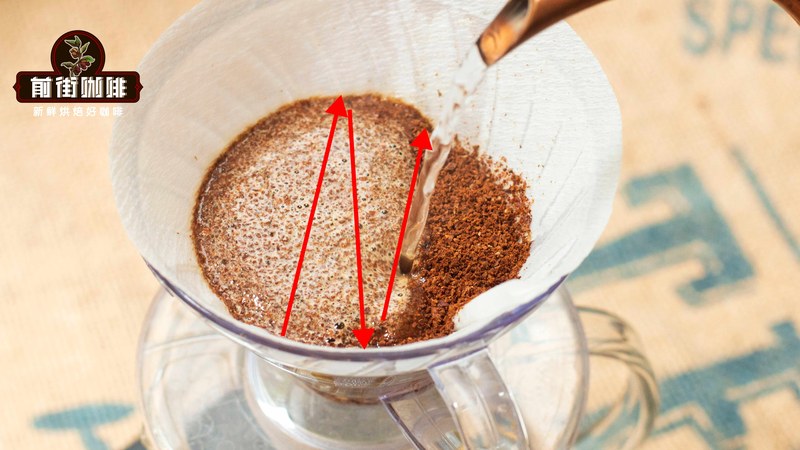
The way a moka pot works determines this range. The water in the lower chamber is heated and forms steam pressure, pushing hot water through the filter basket holding the coffee and then into the upper chamber. The pressure of a common household pot is lower than that of an espresso machine, and the coffee bed has no pump-pressure system to assist it, so it is not suitable to copy the fineness of espresso grounds. If the grind is too fine, the resistance in the water path rises, the flow slows down, and the temperature inside the pot tends to keep climbing; if the grind is too coarse, the water does not contact the coffee grounds enough, and the aroma and sweetness are hard to fully release.
The settings on different brands of grinders have no unified standard, so "how many clicks" cannot be used directly as an answer. A more reliable judgment is to look at the feel of the grounds and the state of the flow: the coffee bed should be loose and even, with no obvious large particles, and it should not clump like flour. With a conical burr grinder, it is recommended to start from a medium-fine setting; if you normally use an espresso setting, move one to two steps coarser, then confirm the direction by the taste in the cup. Change only one small step at a time, and the comparison will be clearer.
The capacity of the pot also affects the grind choice, but it is not that the larger the capacity, the finer the grind must be. For a two-cup, three-cup or six-cup moka pot, the designed basket space and water volume differ, and the thickness of the coffee bed changes accordingly. Just fill the basket and level it off; do not press it down hard, and do not pile on extra coffee just to increase strength. A small-capacity pot heats up quickly and the flow time is short, so too fine a grind more easily causes a blockage; with a large-capacity pot, pay attention to whether the overall heating time and the heat level are coordinated.
The water volume should follow the design of the pot body, usually filled to below the safety valve, and the water surface must not cover the valve. The amount of coffee corresponds to the capacity of the filter basket; after filling, level it gently so the coffee bed is even in thickness. You can use warm water in the pot to reduce the time the pot body stays on the stove; if you add cold water directly, use a gentler heat. The core of the parameters is not to chase a fixed number of seconds, but to let the water pass steadily through the coffee bed and avoid a violent surge.
The early part of the flow is usually darker in color, then gradually becomes lighter. Hearing an obvious rolling sound means the water in the pot is nearly exhausted; at this point it should be removed from the heat source promptly, and the lower chamber should be rinsed with cold water or placed on a wet cloth to help stop the heating. If coffee sprays from the spout and the sound is rapid, the common causes are too high a heat, too fine a grind, or too tightly packed a coffee bed. If there is no flow for a long time, first check the filter screen, gasket and safety valve, then judge whether the grind needs to be adjusted coarser.

The roast level of the beans should also be included in the grind judgment. Medium-dark roasted beans have a looser structure and release soluble matter easily, so with a moka pot you can start from a medium-fine to slightly coarser position, avoiding an overly heavy smoky and dry-bitter note in the cup. Qianjie Brazil Queen Estate is suitable for brewing with this approach: the nut, cocoa and caramel direction can support a rich mouthfeel, and the gentle acidity will not steal the spotlight, making it smooth to drink straight or with a small amount of hot milk.
If you usually prefer the heavy feel close to traditional espresso, Qianjie Classic Blend can be ground slightly finer, but the coffee bed should still stay fluffy. Its nut, cocoa and caramel tone easily forms a full base flavor in the moka pot, and the coffee character remains clear after adding milk, making it suitable for breakfast or an afternoon small cup of milk coffee. If the entry feels dry and there is an obvious tightening in the throat, first adjust the grind a little coarser, or shorten the heating time on the stove.
When seasoning, you can use the mouthfeel to work back to the parameters. A sharp sourness and thin texture usually mean insufficient contact between coffee and water, so you can try half a step finer, raise the water temperature in the pot, or confirm the basket is not underfilled. A heavy bitterness and astringent finish can be addressed by adjusting half a step coarser, lowering the heat, and ending the heating earlier. If the aroma is weak but not bitter, check the freshness of the beans and the evenness of the grind; too large a difference in particle size will also cause some particles to be underextracted and others overextracted.
After grinding, load the pot as soon as possible; store leftover coffee grounds sealed and away from light, and clean the grinder's retained grounds regularly. After using the moka pot, rinse the filter screen and basket, confirm the small holes are not clogged, keep the gasket clean and replace aged parts in time. For an ordinary household, choosing a medium-fine grind as the starting point and then fine-tuning according to the pot's capacity, the stove heat and the target drink will let you find your own balance of strength and flavor.
Related Reading





Comments (0)
Loading comments...
You May Be Interested


Trending Reviews
Popular Videos

With you, wherever you are! We provide useful features to help you find new things you'll love






