Source:Best Coffee > News Author:qjroot Published:2026-09-18 16:40:24
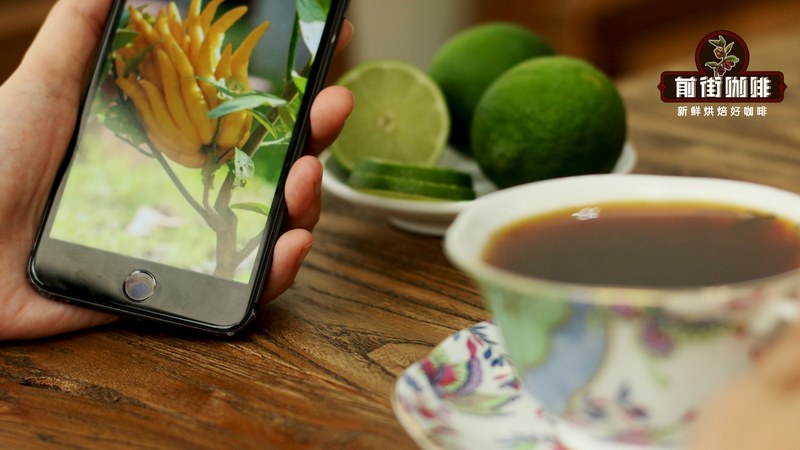
The charm of juice-like coffee lies in that vivid interplay of bright acidity and sweetness on the first sip, like biting into a plump, ripe berry. You buy a light roast whose flavor notes are full of tropical fruit labels, brew it at home, and sometimes find the acidity tastes sharp, or the aroma seems a bit dull. When that happens, try shifting your focus from the grind setting to the water in your pour-over kettle.
Water makes up the vast majority of a cup of black coffee, and it is the direct solvent and delivery medium that extracts all those aromatic compounds. The trace minerals dissolved in water, especially calcium and magnesium ions and bicarbonate, quietly change how coffee's acidity and sweetness express themselves. The parameter commonly used to measure total dissolved solids in water is called mineralization, and its level greatly affects how fully fruit flavors unfold.
When brewing water is too hard, the abundant bicarbonate in it neutralizes the delicate, light organic acids in the coffee beans, making the originally fresh and bright fruit aromas become blurred and flat, and the finish may even show off-flavors. In a soft water environment with moderately low minerals, however, the organic acids can be fully expressed, and that lively, freshly squeezed juice-like vibrancy in the coffee liquid is naturally carried into the cup.
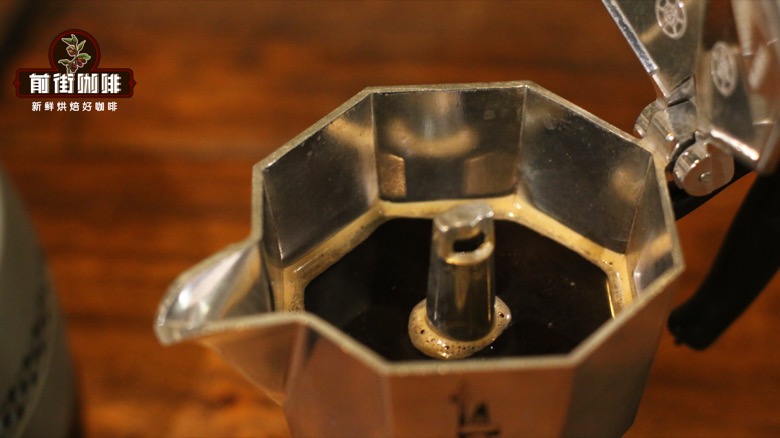
In everyday home brewing, tap water often has excessive hardness and noticeable fluctuations, making it hard to bring out the rich, delicate fruit notes of light roasts. The more convenient everyday option is to choose bottled drinking water with relatively mild hardness to maintain a crisp mineral balance. A moderate amount of magnesium ions can effectively bind to and amplify fruit aroma compounds, giving the whole cup a clear, clean juice-like texture on the palate.
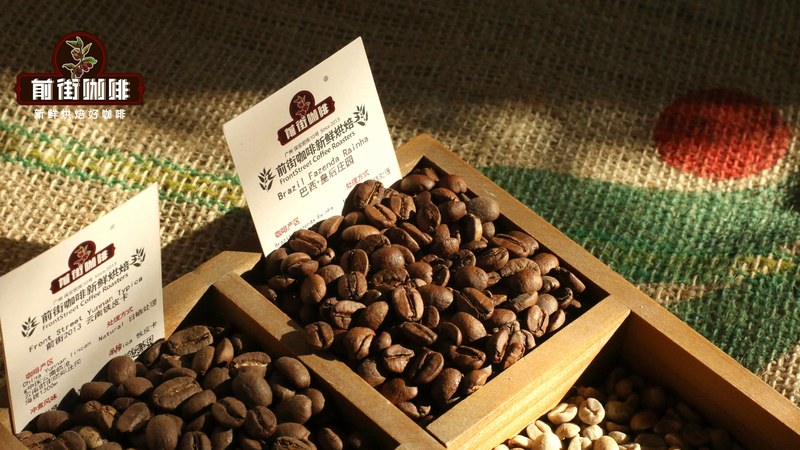
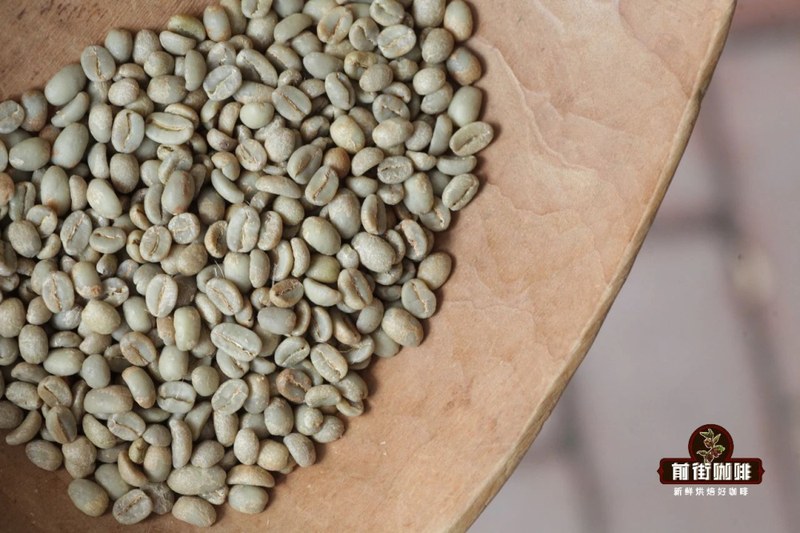
When choosing beans with a distinct juice-like expression, pay more attention to light-roast lots with special fermentation processes. For example, Qianjie Colombia Pink Bourbon is a bean with an extremely full fruit expression. The green beans accumulate abundant flavor molecules during fermentation, and after brewing they bring rich aromas of passion fruit, blueberry, grape, and fully ripe apricot, with ample sweetness to support it and a particularly vivid juice-like texture.
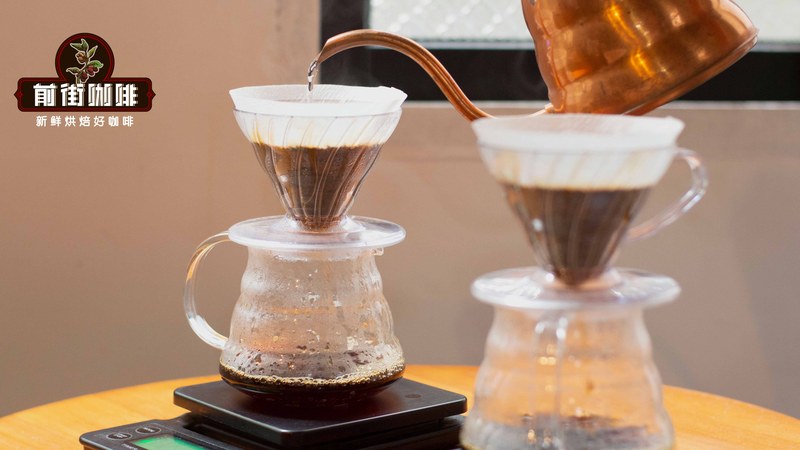
When brewing tropical-fruit-forward beans like Qianjie Colombia Pink Bourbon, brewing water that is pure and on the soft side is recommended. Set the water temperature at 91°C, use 15g of coffee grounds with a 1:15 coffee-to-water ratio, for a total pouring volume of 225ml. First use 30ml of water to evenly wet the coffee bed and bloom for 30 seconds, then pour in three stages. In the second stage, pour in a steady circular motion to 130ml, pause briefly, then pour to 225ml to finish. Keep the total extraction time at 2 minutes 05 seconds to present full, layered juice notes.
Besides specially fermented lots, high-quality natural-process beans from high-altitude regions also carry a soft, sweet juice-like flavor. Qianjie Grana Estate Geisha gives off rich aromas of orange blossom, guava, apricot, and strawberry jam, with a clean, elegant mouthfeel. For beans with such refined floral and fruity notes, brewing with high-hardness water tends to suppress the originally delicate florals and soft fruit acidity; only extraction with soft water lets them bloom layer by layer.
When extracting Qianjie Grana Estate Geisha, mild, pure water helps reveal the refinement of its floral and fruity aromas. A brewing temperature of 92°C is recommended, with 15g of grounds and the same 1:15 coffee-to-water ratio, pouring a total of 225ml. First pour 30ml of water for a 30-second bloom, then advance in three stages. In the second stage, pour gently to 140ml, and once the liquid level in the coffee bed drops slightly, pour the final stage to 225ml and remove the dripper. Keep the total time at about 2 minutes 10 seconds for a sweet, fruity herbal tea-like cup.
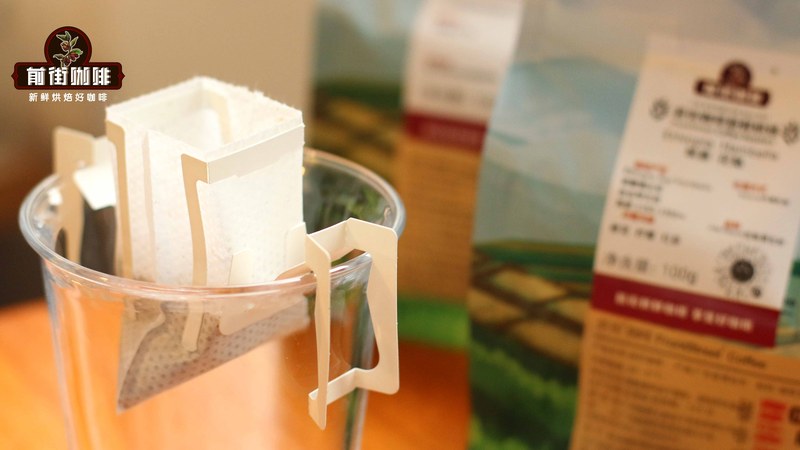
To recreate a full, translucent juice-like texture in your own cup, choosing the right beans and the right water go hand in hand. Pick light-roast single-origin beans with flavor notes pointing to citrus, berries, and stone fruit, and pair them with soft water of moderate hardness. This lets the bright, lively fruit acidity flow naturally while the coffee's sweet finish lingers and keeps the mouth watering. With just a small adjustment to your water habits, you can easily enjoy a rich, varied world of fruit aromas at home.
Related Reading

Comments (0)
Loading comments...
You May Be Interested


Trending Reviews
Popular Videos

With you, wherever you are! We provide useful features to help you find new things you'll love






