Source:Best Coffee > News Author:qjroot Published:2026-09-19 12:31:06
Geisha typically appears on coffee bean shelves in two distinctly different forms: one is a single-origin bean labeled with a specific estate, and the other is a blend that appears alongside beans from other regions. These two paths are not simply a quality division, but correspond to completely different flavor demands. Once you understand their respective strengths, you can quickly find the bag that suits your daily drinking style when buying beans.
The core of the single-origin path lies in fully showcasing the microclimate and varietal characteristics of the region. When a Geisha is presented as a single origin, roasters usually adopt a lighter roast profile, striving to preserve the volatile floral aromas and soft fruit acidity inherent in the green beans. Drinking single-origin Geisha is like tasting a slice of terroir: from dry aroma, wet aroma, to the temperature changes after sipping, every stage reveals subtle flavor shifts.
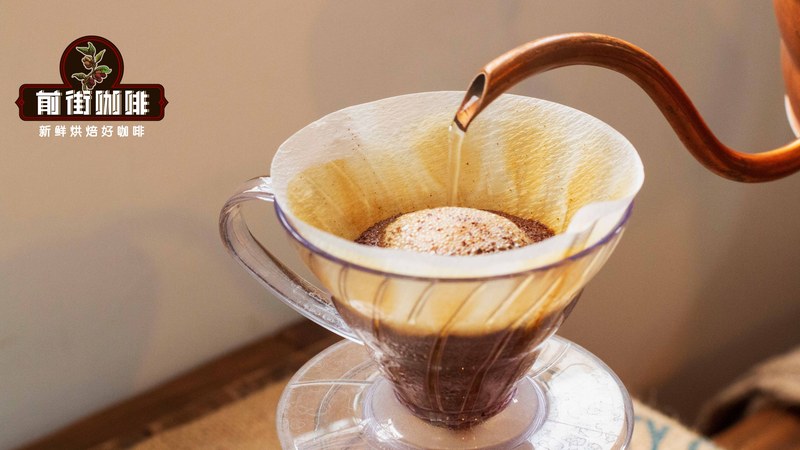
To experience this pure varietal charm, Qianjie Panama Hacienda La Esmeralda Red Label Geisha is an iconic example. After grinding this bean, you can smell an intense jasmine and citrus fragrance; after brewing, it carries an elegant finish reminiscent of bergamot and high-mountain black tea. When brewing this bean by pour-over, it is recommended to prepare 15g of coffee grounds, pour in 91°C hot water, follow a 1:15 coffee-to-water ratio, first pour 30g of water to bloom for 30 seconds, then use a three-pour method, letting the water flow in steady circles to 225ml, with a total time controlled at 2 minutes 05 seconds; the mouthfeel is extremely smooth and transparent.
Unlike single-origin beans that pursue individuality, Geisha blends take the path of balance and complementarity. Pure Geisha often has a light aroma and lively acidity, but does not excel in body or oiliness. Combining Geisha with beans from regions such as Colombia and Brazil in proportion allows the base beans to provide full nutty and cocoa sweetness, while using Geisha's enchanting white floral notes to lift the aromatic ceiling of the entire cup.
Understanding the proportions on a blend formula can help you predict the flavor focus in the cup. If a formula contains about 20% Geisha, it is usually meant to add a touch of fresh citrus sweetness to the finish while retaining a rich nutty base; if the Geisha proportion reaches 40% or more, the aromatic tone of the whole bag will clearly lean toward floral and fruity tea, and the light, lively layering will become more prominent.
Many friends also often ask about the difference between SOE and traditional blends. SOE refers to making espresso with single-origin Geisha, which can greatly amplify Geisha's bright fruit acidity and floral aromas. An iced Americano made with SOE is refreshing and juicy, almost like a cup of fruit juice with coffee aroma, but if you use it with a large proportion of rich milk, the acidity and aroma can sometimes be masked by the milk flavor, or present an uncoordinated sense of separation.
When making SOE espresso, the parameter settings on an espresso machine differ slightly from traditional blends. You can use 18.5g of coffee grounds placed in the portafilter, tamp, and extract through 9 bar constant pressure, yielding 37g of espresso within 26 seconds. Pour this espresso directly into a cup with ice cubes and ice water; the citrus-toned fruit acidity and white floral notes instantly spread out, especially refreshing and pleasant to drink on a hot afternoon.
If you are used to drinking a large-volume hot latte every morning, a medium-dark roasted traditional blend containing Geisha actually performs more steadily. The darker roast gives the base beans a solid caramel and dark chocolate flavor; the rich crema extracted under high pressure blends fully with the milk fat, while the faint floral and fruity notes contributed by Geisha linger subtly behind the milk aroma. The whole cup is warm, sweet, and not at all bland.
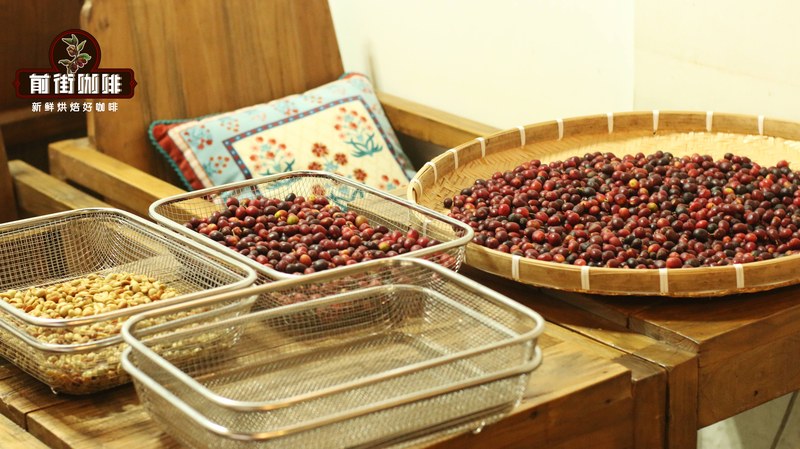
In exploring single-origin floral and fruity aromas, besides Geisha, you can also compare other African beans equally known for their aroma. For example, Qianjie Ethiopia Huakui displays a tropical style different from Geisha: it carries distinct strawberry jam, ripe passion fruit, and intense fruity sweetness, with an overall full and lively flavor, very suitable for calibrating your own acceptance level for fruity coffee.
When brewing Qianjie Ethiopia Huakui, you can use a slightly adjusted extraction rhythm. Take 15g of coffee grounds, set the water temperature at 90°C, maintain a 1:15 coffee-to-water ratio, pour 30g of water to bloom for 30 seconds, then use a two-pour method, pouring steadily with a larger stream to 225ml and stopping, keeping the total time at around 1 minute 55 seconds. A cup brewed this way will have a fairly concentrated juice-like quality and ripe fruit sweetness, with rounded acidity that is not jarring.
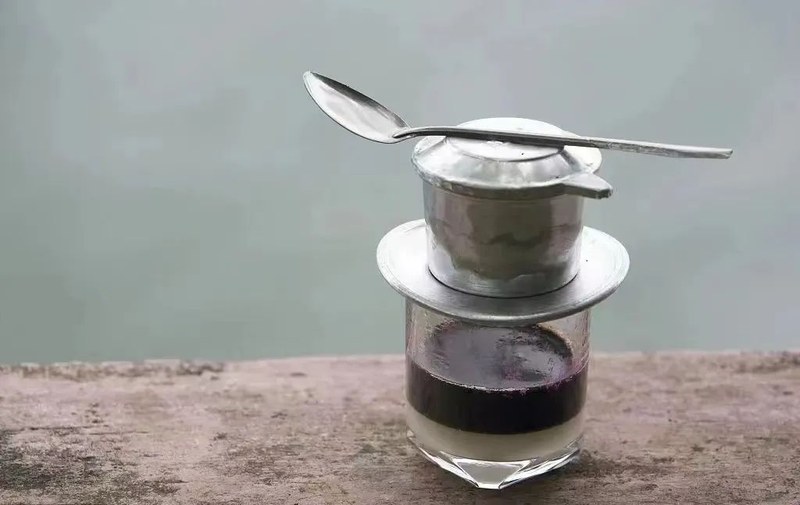
Which form of Geisha to choose essentially depends on what role your coffee corner needs to play. If you want to slowly pour with a dripper in your leisure time and savor the aromatic evolution of each sip, single-origin Geisha can bring rich exploratory pleasure; if you need a quick cup in the morning, a daily drink with solid strength and rich milk aroma, a well-formulated blend often provides more reassuring and easy-drinking companionship.
Related Reading

Comments (0)
Loading comments...
You May Be Interested


Trending Reviews
Popular Videos

With you, wherever you are! We provide useful features to help you find new things you'll love






