Source:Best Coffee > News Author:qjroot Published:2024-09-28 18:37:54
When it comes to Geisha, everyone immediately thinks of Panama Geisha. At first, Geisha was not well regarded because the plant was fragile, difficult to cultivate and low-yielding. Later, Panama's Hacienda La Esmeralda made the global market aware of the Geisha variety through the Best of Panama (BOP) competition and auction, and it then spread to surrounding estates and to cultivation in neighboring countries.
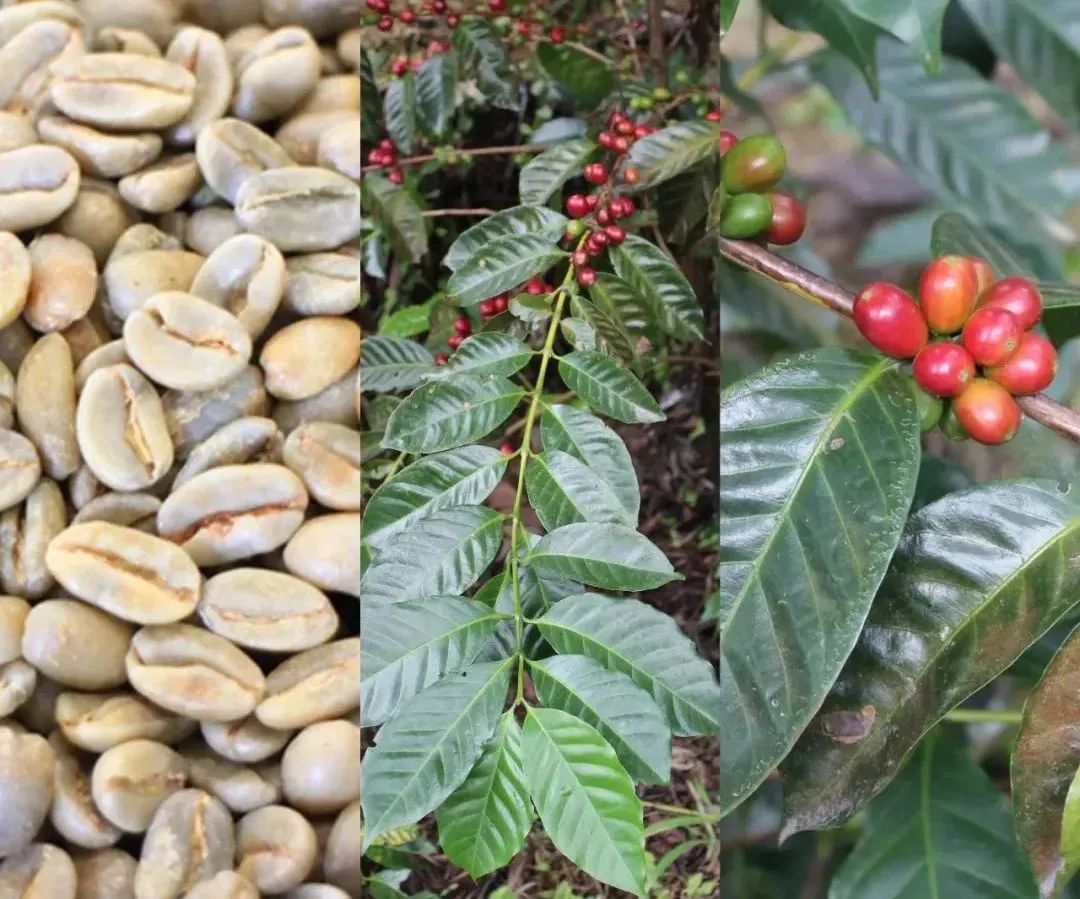
In fact, Geisha originally came from Ethiopia, the universally recognized birthplace of coffee. It was discovered in the 1930s in the Gesha area near the Kaffa forest in southwestern Ethiopia. Because of its resistance to leaf rust, it passed through many countries, and was later cataloged by CATIE in Costa Rica as the variety "geisha T2722", before finally arriving in Panama.
After the Geisha variety gradually became well known, it attracted many estates and other countries to introduce and plant Geisha. Among them were also a director named Adam Overton and his photographer wife Rachel Samuel. In 2007, the couple were commissioned by the Ethiopian government to shoot a documentary about coffee. During the shoot they came to the Bench Maji area and discovered the Gori Gesha Forest, and at that time the idea of founding a coffee estate was born.

By 2009, the couple had met Willem, the owner of Finca La Mula in Panama, and so they teamed up to return to Ethiopia in search of the birthplace of Gesha. They came to a place in Bench Maji known as Gesha Village, and found the area most likely to be the original Gesha. After finding wild Gesha, they collected seeds from the native Gesha trees, selected them, and planted them in Gesha Village. Later they decided to establish the estate there, and named it Gesha Village Estate.
At present, Ethiopia is divided into 12 states and 2 autonomous administrative regions, and is divided into 10 coffee-producing regions, among which are many globally renowned coffee regions, such as Sidamo, Jima, Harrar, Guji and Yirgacheffe. Guji and Yirgacheffe were both originally part of the Sidamo producing region, and because of their distinctive flavors they became independent coffee-producing regions.
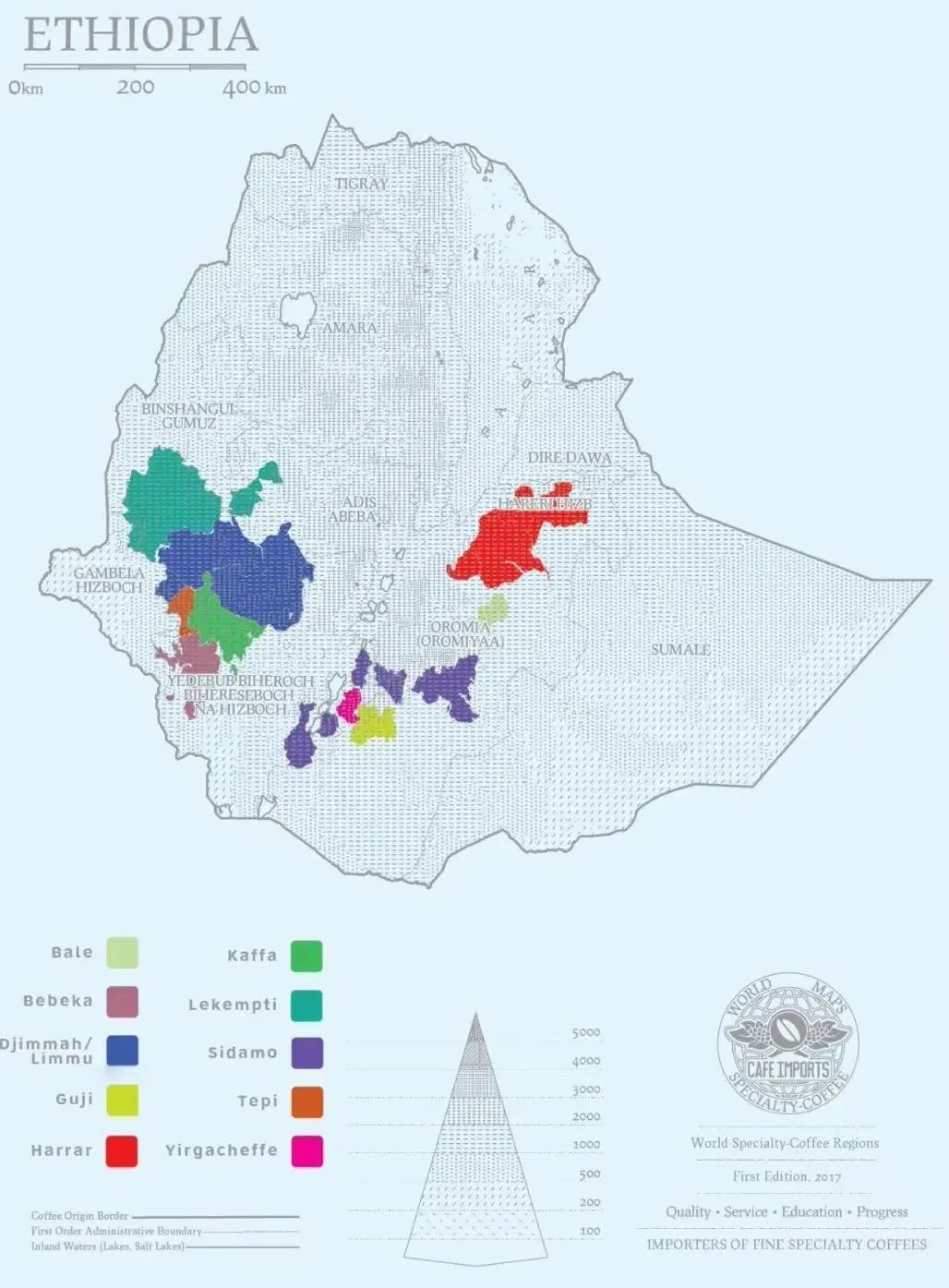
But when Ethiopian coffee is mentioned, people often think of coffee regions such as Sidamo, Guji and Yirgacheffe, yet coffee was first discovered in the Kaffa Zone in southwestern Ethiopia, where countless mother Arabica coffee trees still grow today.
Today, the Kaffa Zone belongs to the South West Ethiopia Peoples' Region (this region was formerly part of the Southern Nations, Nationalities, and Peoples' Region and became independent through a referendum in 2021), located in the north of that region. The Kaffa Zone is mainly humid and mild rainforest, and its best-known feature is the Kafa Biosphere Reserve, which is extremely rich in natural resources.
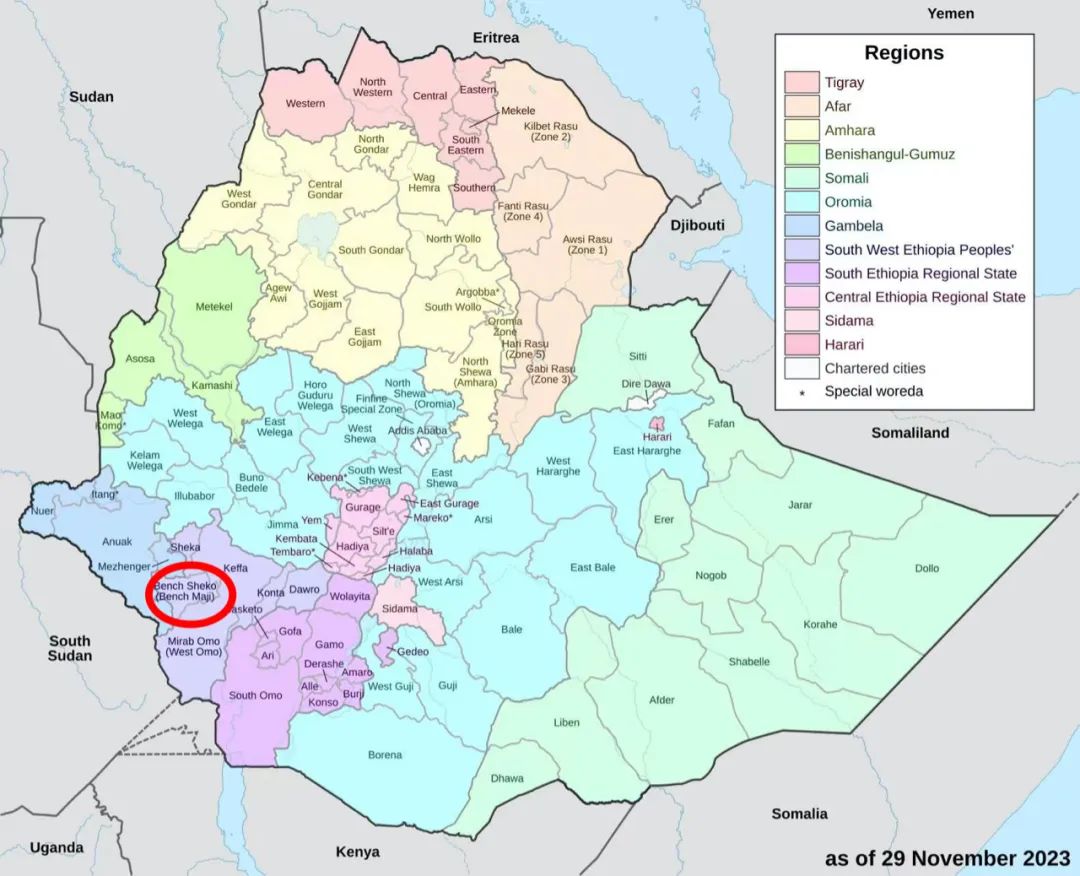
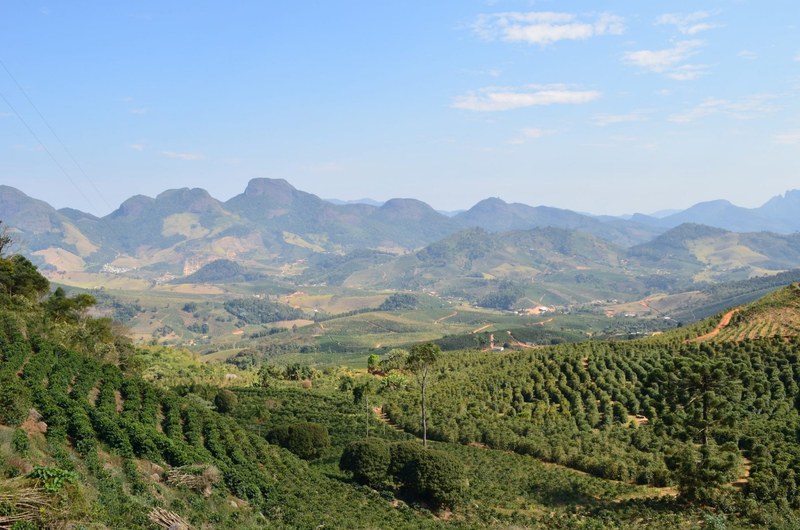
To the west of the Kafa Biosphere Reserve lies the Bench Maji region (called Bench Sheko in some local areas), which is also the Gesha National Forest Reserve. The Gesha variety originated here, though in the classification of coffee-producing regions, Bench Maji belongs to the Bebeka producing region (Bebeka), and Bebeka is also the capital of the Bench Maji zone. This area is relatively remote and underdeveloped, so the coffee here is still grown mainly in a very wild, forest-based manner.
However, according to an investigation by the French biologist Jean-Pierre Labouisse, the first batch of coffee beans labeled as Gesha came from different local coffee trees. Therefore, Gesha is not just a single variety; in Ethiopia there are still many different "Gesha types" locally, and Panama Gesha is only one of them.
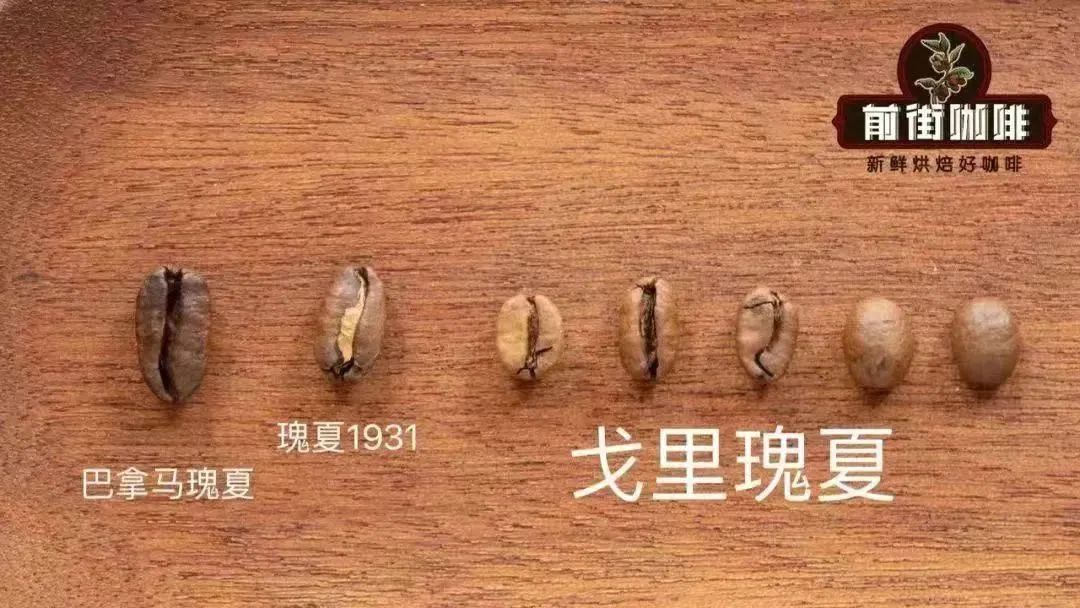
Therefore, the Gesha currently grown at Gesha Village in Bench Maji is not the same variety as the Gesha of Panama. What Gesha Village now cultivates is Gesha 1931 and Gori Gesha.
Gesha 1931 is a native Gesha variety that the owner of Gesha Village found in the Gesha forest; because it is genetically very close to the Panama Gesha variety discovered in 1931, it was named Gesha 1931. Gori Gesha was discovered in 2011, after Gesha Village was established, when the estate owner found a bean variety in the Gori forest 12 miles from the estate that closely resembled Gesha, and so named it Gori Gesha.
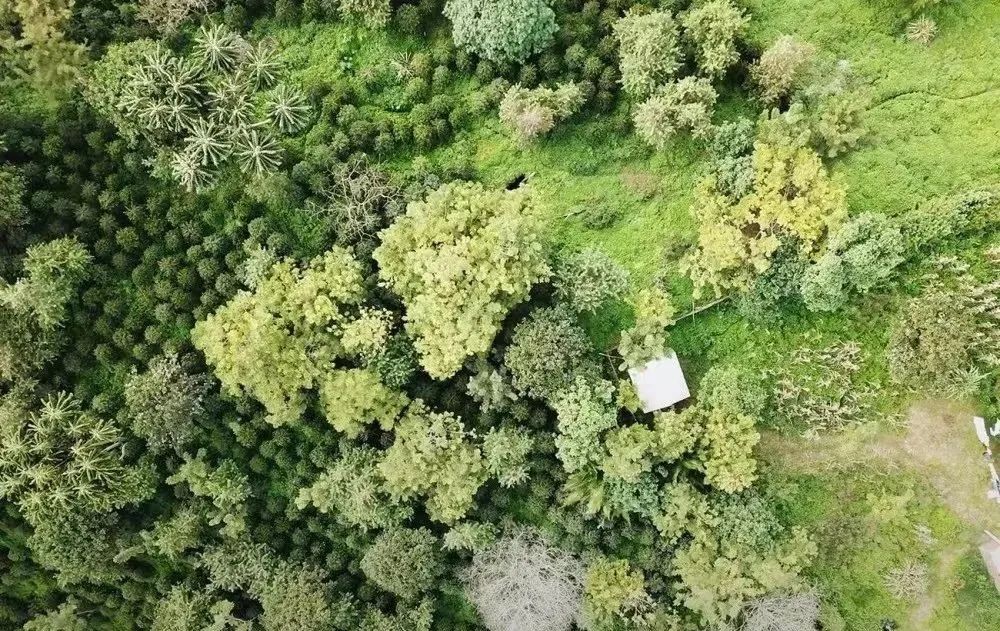
In addition, Gesha Village Coffee Estate also collaborates with the Ethiopian research center to cultivate Illubabor Forest 1974, a disease-resistant coffee variety developed by the center. This variety was discovered in the Illubabor Forest in 1974, hence its name.
FrontStreet Coffee also has a Red Label Gesha coffee from Gesha Village Coffee Estate. This Gesha belongs to the Gori Gesha (Gori Gesha) variety and is naturally processed. After brewing, it gives off jasmine and ripe fruit aromas; on the palate there are citrus, grape and wild ginger lily notes, with delicate fruit acidity, a sweet fruity finish, and a clean, balanced mouthfeel.

To learn more about coffee origins and news, scan the QR code to follow: Kaping
Long-press the QR code to follow:

Related Reading





Comments (0)
Loading comments...
You May Be Interested




Trending Reviews
Popular Videos

With you, wherever you are! We provide useful features to help you find new things you'll love






