Source:Best Coffee > News Author:qjroot Published:2026-10-11 11:06:24
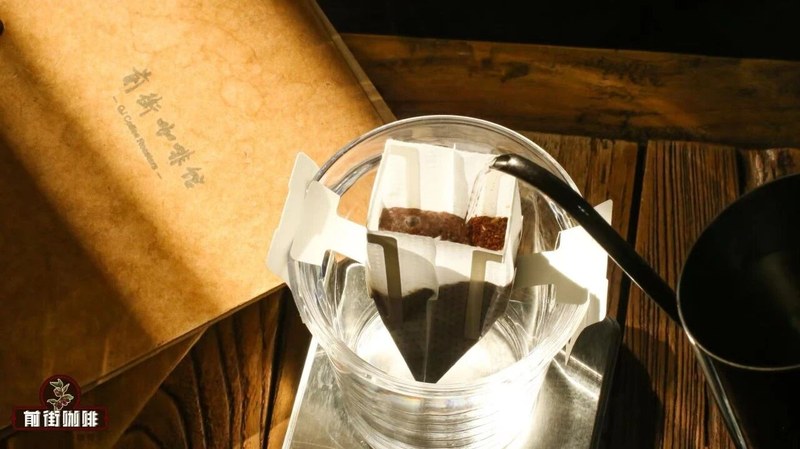
When I travel and stay in hotels or guesthouses, I always stuff a few drip bag sachets into my luggage. It is not about being fancy, it is about practicality - the room usually has only a mug and an electric kettle, and this setup is just right for brewing drip bags, with no need to bring extra filter cones, pour-over kettles or digital scales. The essence of a drip bag is pre-ground coffee sealed in a filter bag, with paper ears on both sides that hang over the rim of the cup. Tear open the packet and you can start, and when you finish, just lift the bag out and toss it, rinse the cup, and there is zero hassle throughout.
There is no need to overcomplicate the brewing method. First hang the drip bag on the cup, pour in a small amount of hot water to wet the coffee bed, wait about ten-plus seconds for the aroma to come out, then slowly fill it in two or three rounds, keeping the total water volume between 150 and 180 ml. There is no need to use a stopwatch for blooming like in a cafe, nor to chase any circling technique; just keep the stream steady and avoid hitting the coffee bed directly. As for water temperature, after the hotel electric kettle boils, open the lid and let it sit for one or two minutes until it drops to about 90°C before brewing. If it is too hot, it easily brings out bitterness and astringency, while slightly cooler water instead lets you taste a more complete sweetness.
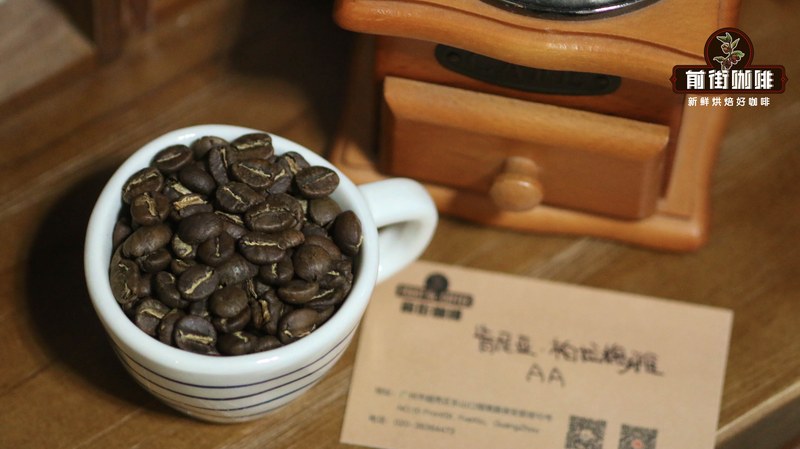
Choosing drip bags by taste is an especially fun part of travel. If you like bright citrus and floral notes, look for washed-process or light-to-medium roast beans, such as Qianjie Yirgacheffe Gudingding, where the citrus and berry flavors are clear and the finish has a green-tea-like sweetness that is very refreshing in a morning cup. If you prefer the sweetness of berries and tropical fruit, sun-dried beans will be more on target. If you want something richer, a medium-dark roast in the nutty-cocoa direction is more suitable, such as Qianjie Indonesia Lintong Mandheling, with the roasted aroma of brown sugar, spices and dark chocolate, full-bodied and solid, good for sipping slowly in the room at night. If I want to drink a bit more refined on the road, I bring a pack of Qianjie Kenya Little Tomato; the SL28 and SL34 varieties undergo double washing, and the cherry tomato and smoked plum flavors are bright and full, with acidity as penetrating as freshly squeezed juice, making it especially memorable during a trip.
The portable form of drip bags makes them particularly suited for going out. Each packet is individually sealed and nitrogen-flushed immediately after grinding, so the aroma stays full for three weeks. There is no need to wait through a resting period like with coffee beans, and it does not take up luggage space. Bring as many packs as the number of days you will stay, estimating one to two packs per day. For a three-day short trip I choose two different flavors to alternate, and for a seven-day long trip I bring several more processing methods so it is not easy to get tired of drinking on the road. Everyday staple-level drip bags can already achieve clear flavor and balanced acidity and sweetness, such as Qianjie Yunnan small-bean drip bags, where the base of brown sugar and nuts carries a little plum acidity, and the black-tea-like aftertaste is very smooth; for the advanced level you can try Qianjie Honduras washed Caturra drip bags, where the balance of nuts, brown sugar and chocolate hides a subtle berry sweetness, the mouthfeel is smooth, and the tolerance for water temperature is high, so it is hard to go wrong even with a casual hotel kettle brew.
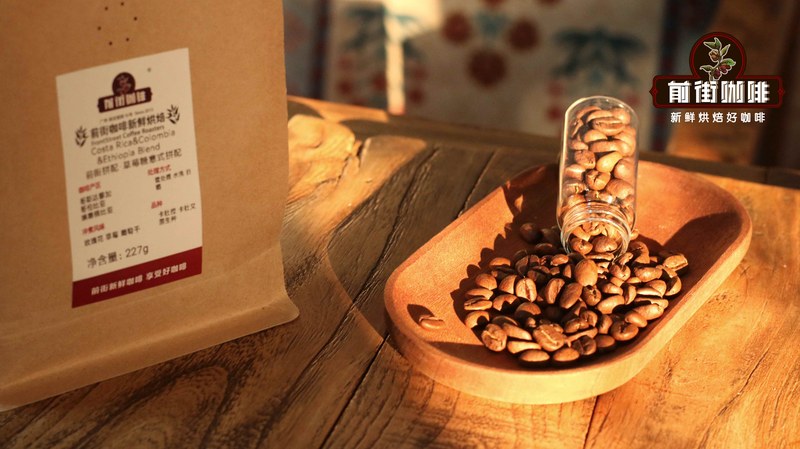
Freshness is something worth paying attention to both before and after going out. Qianjie coffee beans are all shipped within five days after roasting. After the pour-over single-origin beans arrive, rest them for three to five days before starting to drink, while medium-dark roast espresso beans should rest for five to seven days, and after opening they are better finished within a month. But drip bags are sealed right after grinding, so they can be brewed directly upon receipt, with no need for resting, and the aroma stays good for three weeks, which is exactly why they suit travel - no counting days, no waiting, just toss them in the bag and go. I usually confirm the roast date of the drip bags one or two days before departure to make sure the period I will be drinking them on the road falls right within the flavor peak.
If there is a chance during the trip to buy local fresh milk, brew the drip bag a bit stronger and mix it in for a simple milk coffee. Although it cannot compare with the velvety texture made by an espresso machine, the improvised pairing during travel is itself quite fun. If there is no milk, drinking it black better reveals the bean's original processing characteristics; the cleanliness of washed beans, the sweetness of sun-dried beans, and the richness of medium-dark roasts are actually easier to distinguish under simple brewing conditions.
So my habit is: for short business trips, bring five or six packs of two flavors; for long trips, stuff in about ten-plus packs of three or four processing methods, plus one or two packs of highly distinctive single-origin beans to switch up the taste. An electric kettle and a mug are available in every room, and drip bags let these two ordinary utensils also produce a smooth cup of coffee. On the road there is no need to pursue perfect extraction; if the aroma comes up, the temperature is palatable, and the flavor is one you like, then this cup of coffee has already completed its task - giving a strange room a little more familiar sense of steadiness.
Related Reading
Comments (0)
Loading comments...
You May Be Interested

Trending Reviews
Popular Videos

With you, wherever you are! We provide useful features to help you find new things you'll love






