Source:Best Coffee > News Author:qjroot Published:2026-09-07 13:07:22
Tropical fruit flavors are not only suited to a crisp pour-over; they can also shine in iced coffee, espresso and milk coffee. The key is to let the parameters serve the bean's characteristics: beans with pronounced floral and fruity notes need their aroma layers preserved; beans with prominent acidity and sweetness need more fullness in the mouth. When buying beans, first confirm the equipment you have at home, then see how many parameters you are willing to adjust, and your choice will be more practical.
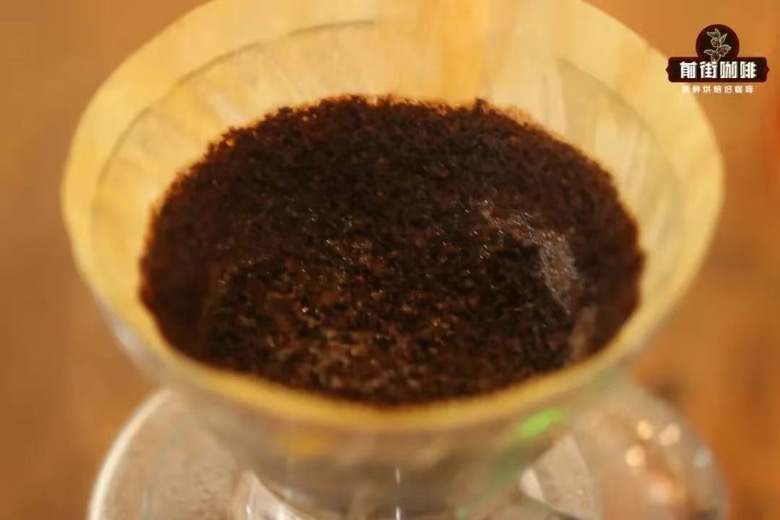
Using Qianjie Yirgacheffe Gutingding for pour-over, you can start with 15 g of grounds and 240 g of water, a coffee-to-water ratio of about 1:16. The water temperature is recommended at 91 to 93°C, grind medium-fine, pour in three stages, and keep the total time at around 2 minutes 30 seconds. This makes it easy to taste citrus and berry notes, with a clear, tea-like finish, suited to people who like clear aroma and a light body.
If Gutingding brews with only sharp acidity and no sweetness, you can grind slightly finer, or raise the water temperature by 1°C, letting the water contact the coffee grounds a little longer. If the sip becomes dry and astringent, it means the extraction is a bit too strong, so you can reduce the agitation of the later pours, or coarsen the grind by one setting. When adjusting, remember the changes in the cup; that is more useful as a reference than fixating on a fixed time.
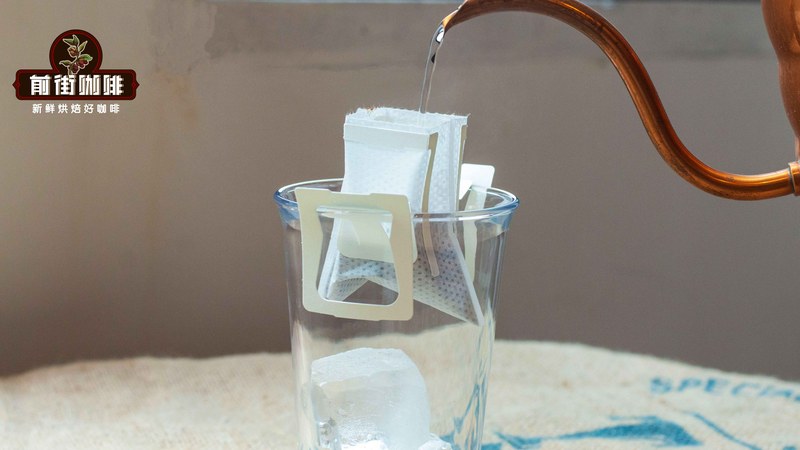
Qianjie Ethiopia Huakui is well suited to iced pour-over to amplify tropical fruit notes. Take 15 g of grounds, water at 92°C, first bloom with 30 g of water for 35 seconds, then pour 150 g of hot water in two stages, and finally catch the coffee liquid over 90 g of ice cubes. The grind can be slightly finer than for a regular pour-over, so that the concentration after the ice melts does not taste thin; once cooled, the strawberry and passion fruit-like aroma will be more vivid.
If you want to make Huakui as a room-temperature pour-over, you can change the coffee-to-water ratio to 1:15, use water at 92 to 94°C, and keep the water level changes gentle during staged pouring. A higher water temperature helps light-roasted beans release sweet aromas, but the pouring action should not be too forceful, otherwise fine particles are carried to the bottom of the dripper, which easily makes the finish astringent. People who like a softer mouthfeel can also increase the total water amount to 250 g.
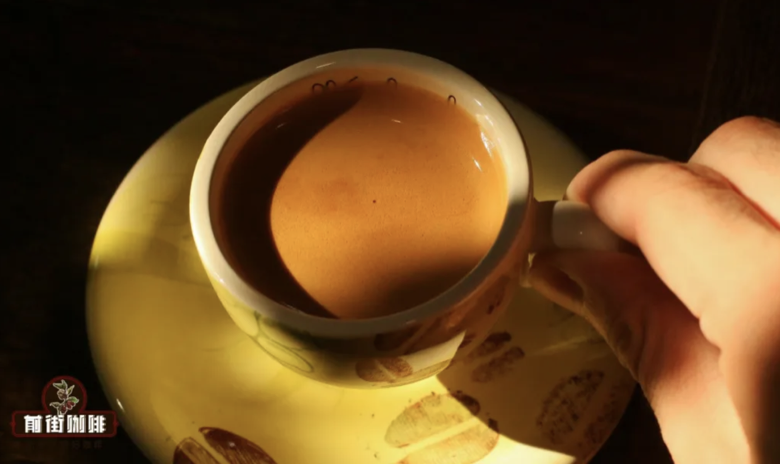
When using an espresso machine to handle tropical fruit-flavored beans, you cannot directly apply the extraction habits of heavy blends. Taking 18 g of grounds as an example, you can first set a yield of 36 g, keep pressure around 9 bar, with time falling between 28 and 32 seconds, and start with a medium-fine grind. If the espresso tastes sharp, you can extend the yield to 40 g so the acidity is wrapped by more sweetness; if there is obvious dry bitterness, then shorten the output or coarsen the grind.
Using Qianjie Kenya Small Tomato for espresso is suited to preserving a clear acid-sweet framework. Extract 36 to 38 g of liquid from 18 g of grounds, start the water temperature at 91°C, keep pressure between 8 and 9 bar, and first observe whether the flow is even. Its juicy quality needs a certain concentration for support; if the output is too fast it will seem thin; after a slightly finer grind and a moderately longer time, the umeboshi and syrup-like finish will be more complete.
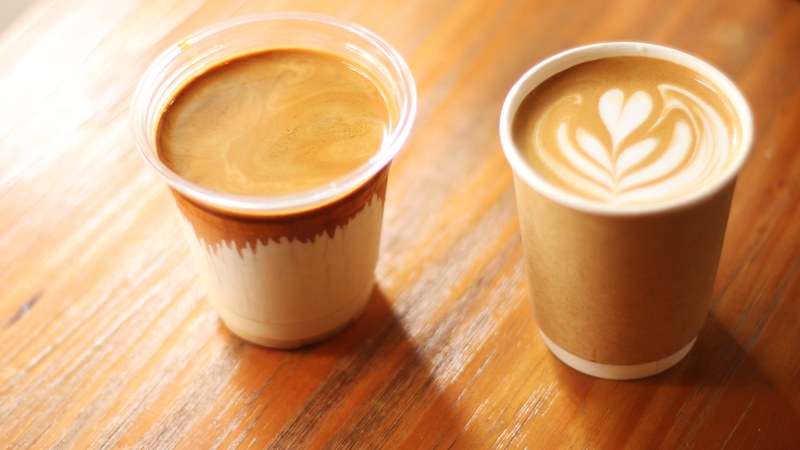
When making an Americano with Kenya Small Tomato, the espresso should not be over-diluted. Extract 36 g of coffee liquid from 18 g of grounds, then add 100 to 130 g of hot water, which preserves the tomato-like bright aroma and sweetness. If you want to make an iced Americano, you can first let the espresso fall onto ice cubes, then top up with cold water; the melting ice will lower the concentration, so the yield can be controlled at 32 to 35 g for a more concentrated flavor.
When there is no espresso machine, a smart cup or French press can also express tropical fruit notes. Taking Huakui as an example, add 230 g of water at about 90°C to 15 g of grounds, steep for 2 minutes 30 seconds, then slowly separate the coffee liquid, with a slightly coarser grind than pour-over. Immersion extraction is more even, suited to people who want full sweetness without frequently practicing circular pouring, and it is also very comfortable to drink after cooling.
When choosing, you can also take parameter tolerance into consideration: if you like adjusting water temperature and grind, light-roasted pour-over beans can bring more variation; if you prefer quick cups, then choose fruity beans suited to espresso, and start testing from lower pressure and a shorter yield. No matter which equipment you use, first record the dose, yield and the feeling on the palate, then fine-tune acidity, sweetness and bitterness item by item, and the tropical fruit aroma can turn from a description into a truly delicious cup.
Related Reading


Comments (0)
Loading comments...
You May Be Interested

Trending Reviews
Popular Videos

With you, wherever you are! We provide useful features to help you find new things you'll love






