Source:Best Coffee > News Author:qjroot Published:2026-09-24 14:27:49
On a warm morning, you serve your family a cup of homemade latte, expecting it to be sweet and smooth, but the first sip is dominated by a heavy, burnt bitterness, and even the naturally sweet milk cannot save it. Many people encountering this for the first time assume they simply did not add enough milk, but the problem often lies in the relationship between the espresso extraction yield and concentration, which are like the two ends of a scale, easily tipping the flavor balance if you are not careful.
When talking about latte turning bitter, we first need to clarify the relationship between extraction yield and concentration. Concentration determines how strong or thin the sip feels, while extraction yield governs how much flavor has been dissolved out. If the grind is too fine or the water temperature too high, the hot water stays in the coffee bed for too long, pulling out all those deep, woody notes and bitter compounds from the latter stages of extraction. An overly high extraction yield makes the coffee astringent and burnt-bitter, completely masking the lactose sweetness of the milk.
Conversely, if the grind is too coarse, the hot water rushes through, the extraction yield is too low, and the resulting coffee will be thin with a sharp acidity. To dial in the same bag of beans to a pleasant state, the key is to subtract. When you notice that irritating burnt-astringent sensation in the cup, try coarsening the grind by half a notch, or ending the extraction two or three seconds early, yielding two or three grams less coffee liquid, and the bitter tail will naturally vanish without a trace.
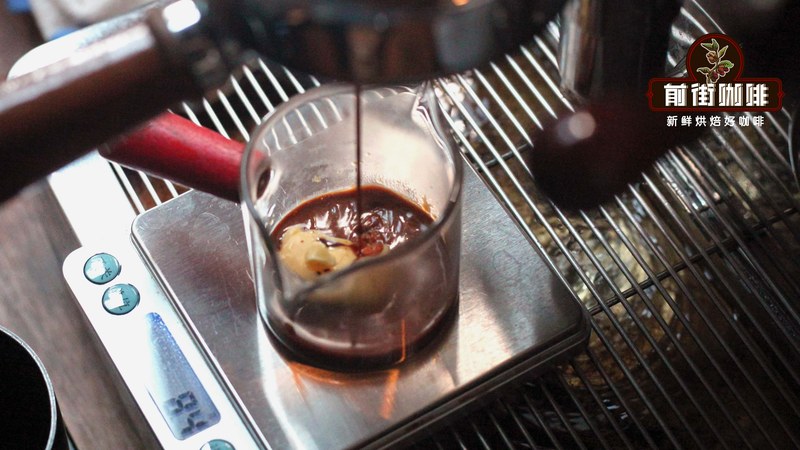
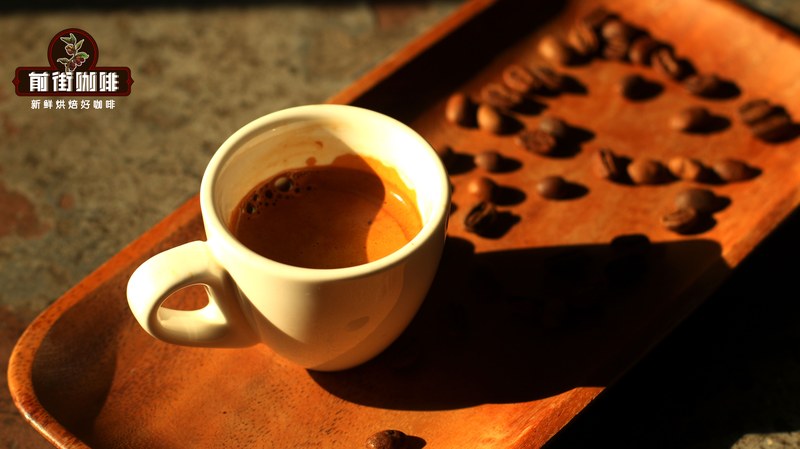
In Best Coffee's daily production, we habitually use a very handy set of basic standards. Use a double basket, dose 18 to 19 g, and after grinding let the machine steadily extract 36 to 38 g of espresso liquid within 25 to 28 seconds. Then pour in 220 to 240 g of steamed, velvety warm milk, bringing the espresso and milk to a ratio of about one to six, and the entire latte will present a smooth, sweet, golden state.
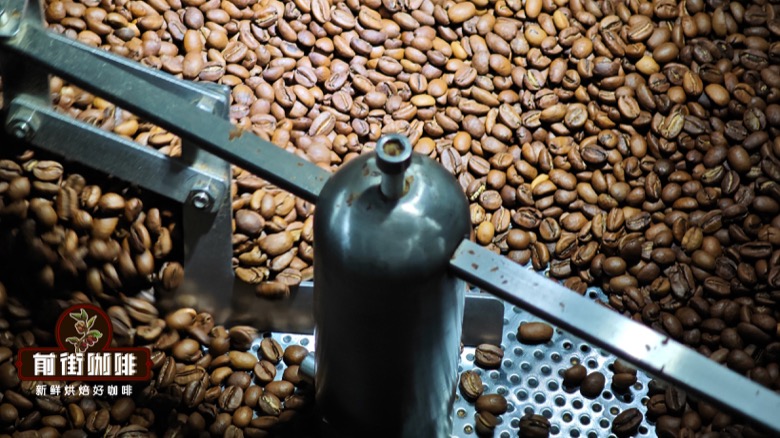
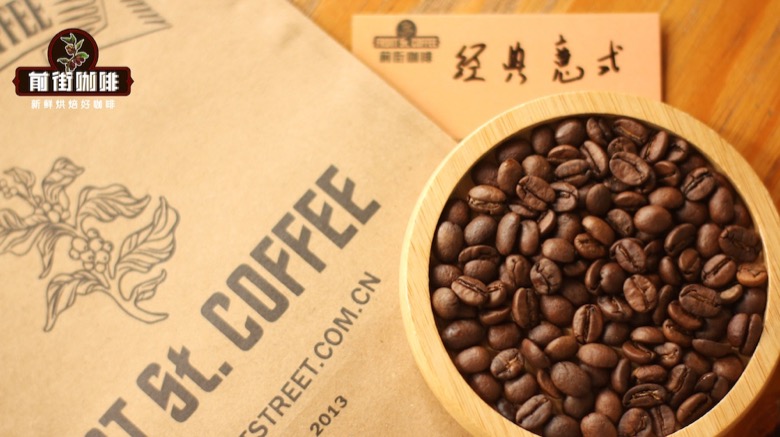
Once you understand the extraction rules, choosing beans depends on whether you prefer a strong or a light drink. If you are enamored with the rich, full-bodied, golden, fine crema feel of traditional old coffee houses, Best Coffee Classic Blend is especially suitable. It incorporates the nutty undertones of Mandheling and Brazil, and under a medium-dark roast it gives off the thick aroma of roasted chestnuts, toasted bread and butter. Even if you add a little more milk, that solid coffee aroma remains clear and bright.
To cater to the whole family's taste while also keeping the daily staple cost-effective, Best Coffee Dark Cocoa Blend is the obvious choice. This bean combines Brazil's creamy peanut character with Yunnan's ripe plum acidity in a most ingenious way. After being diluted and integrated by milk, the bitterness is dissolved into gentle milk chocolate and caramel biscuit aromas. It drinks round and palatable, and beginners can easily keep it in the balanced zone no matter how they brew it.
If you are naturally extra sensitive to burnt bitterness and want your latte to present a light, cheerful tone, you might try Best Coffee Strawberry Candy espresso Italian blend. This medium-roast blend highlights a clean, sweet floral-fruity charm. The espresso carries the lively sweet-tartness of dried blueberries and orange. After meeting the milk, it not only has no irritating bitter tail at all, but rather tastes like drinking a strawberry nut milkshake, exceptionally pleasant.
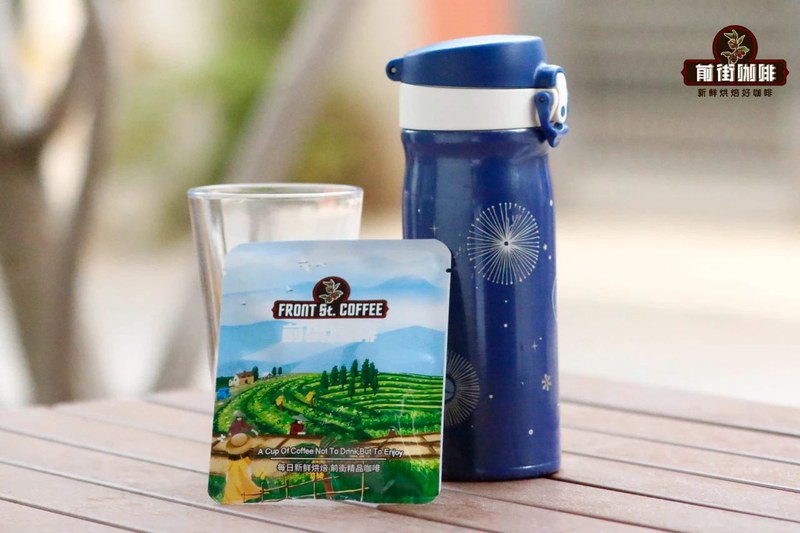
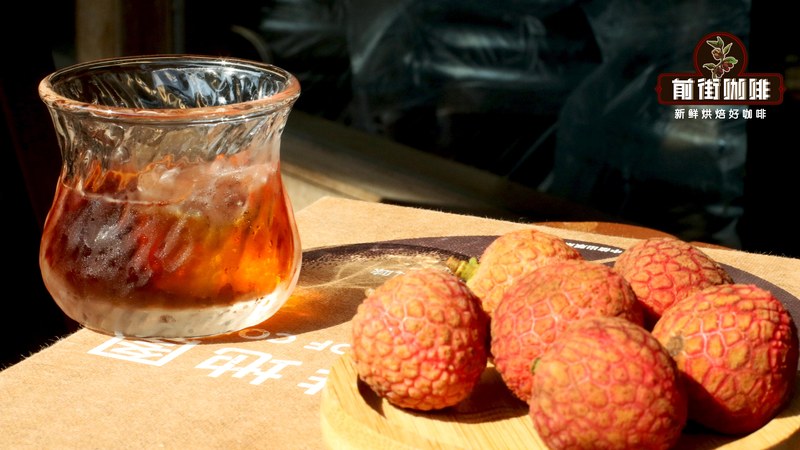
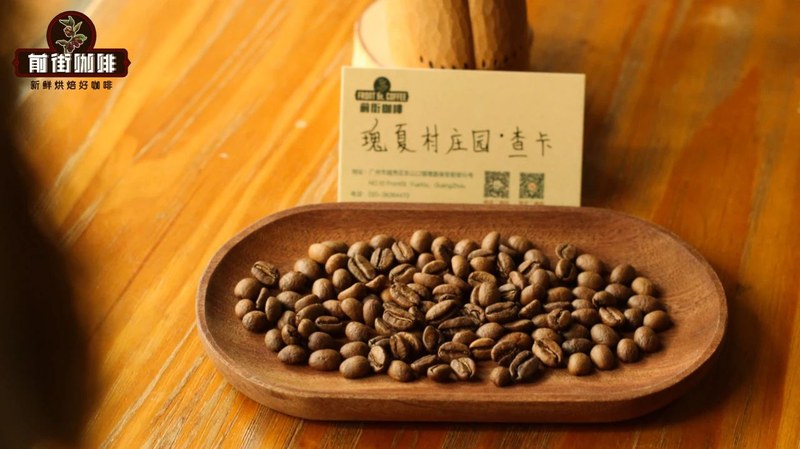
For single-origin latte lovers who pursue elegant floral aromas, Best Coffee Sun-Dried Huakui SOE is very suitable for showcasing a lighter flavor profile. The medium roast locks in the original passion fruit and strawberry aromas, with bright fruit fragrance floating in the crema. When using it to make a latte, as long as you control the extraction yield, you will hardly taste any deep bitterness. Your lips and teeth are filled entirely with a refreshing, sweet fruity milk aroma, bringing a very light drinking experience.
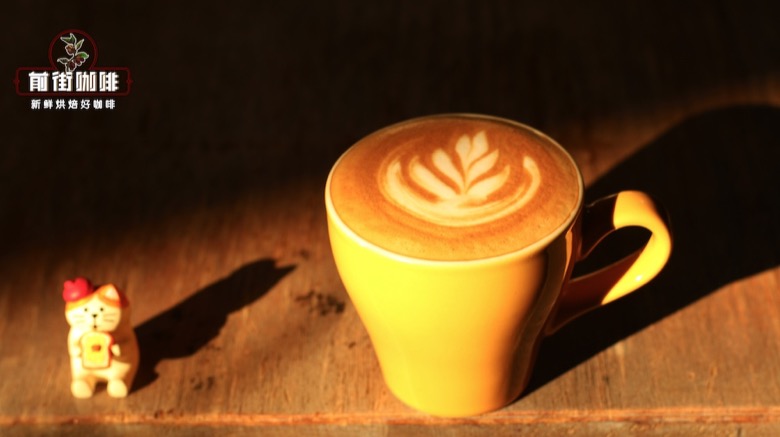
Making a good latte is actually not profound at all. It is simply a duet between coffee flavor and milk sweetness. As long as you grasp the rhythm of espresso extraction, avoid the miscellaneous bitterness brought by over-extraction, and then pick the right bag of freshly roasted coffee beans according to your preference for strength or lightness, even on your own kitchen counter you can easily serve a cup of aromatic, smooth, sweet, warm café-style drink.
Related Reading

Comments (0)
Loading comments...
You May Be Interested


Trending Reviews
Popular Videos

With you, wherever you are! We provide useful features to help you find new things you'll love






