Source:Best Coffee > News Author:qjroot Published:2024-07-17 18:59:51
According to local Ethiopian media reports, fierce fighting broke out between Fano forces and a grand coalition government army composed of the Ethiopian National Defense Force and militia. Moreover, the fighting took place only 55 km from the country's capital, Addis Ababa.
Since the Ethiopian government declared a state of emergency, the war in the Amhara region has lasted nearly a year, and there is currently no sign of it abating; instead, it has intensified, the level of safety is worrying, and it has caused civilian casualties and other losses.
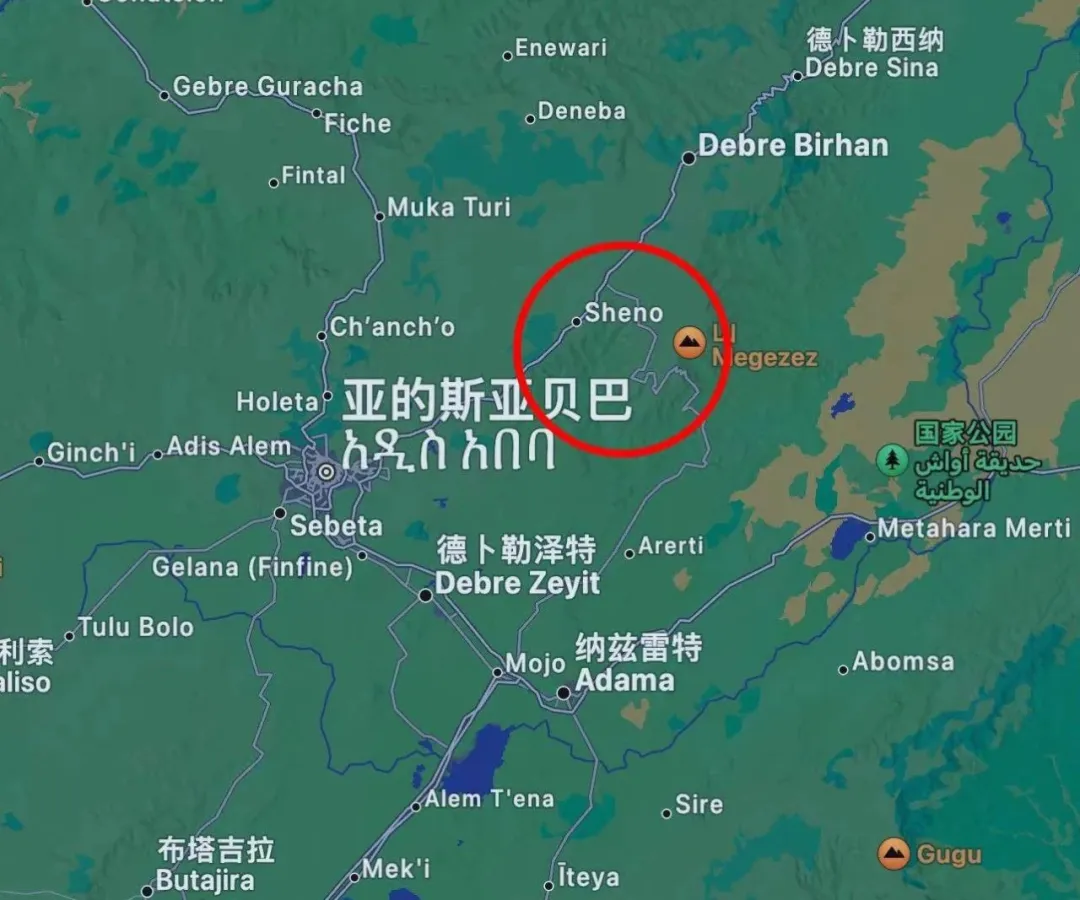
In addition, according to reports, Fano forces and government forces began fighting on July 12, in Kormash town in Minjar district. According to the deputy head of public relations of the Fano Shewa Command, they fought the joint government forces, but the joint government forces shelled the town indiscriminately, so the Fano forces withdrew to avoid civilian casualties.
In addition, in the Gondar city area of the Amhara region, there has been fierce fighting for the past few days, and there are reports that Fano forces are close to controlling the city's airport. Moreover, the Fano forces' guerrilla warfare tactics in the area have caused obvious damage to the government forces.
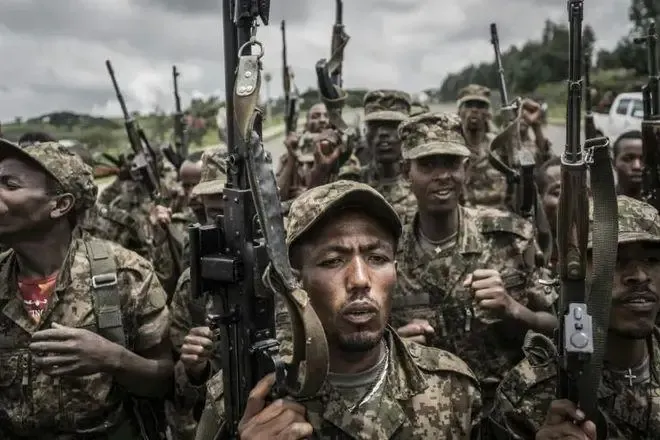
Although the federal government tried to use local militia and riot police to resist the Fano forces, it had little effect, and reports indicated that more and more riot police and militia defected and joined the Fano forces.
The federal government and the national defense force have all along claimed victories over "extremist forces" in the Amhara region. However, according to local media reports, even though government forces launched large-scale offensives in these areas, they did not achieve the expected results; instead, the Fano forces dealt the government a severe blow.

Therefore, reports indicated that the government leadership in the Amhara region is changing its stance and believes that the war cannot continue. This is because millions of students in the Amhara region are currently out of school, and some medical facilities have been severely affected, resulting in severe economic losses and civilian casualties in the region.
Given the current situation, a civil war may break out again in the future, which would severely affect the country's economy. Once a civil war breaks out, it may cause losses to the country's infrastructure, production capacity and supply chains, restricting production and business activities, including damage to multiple industries such as coffee and tourism.

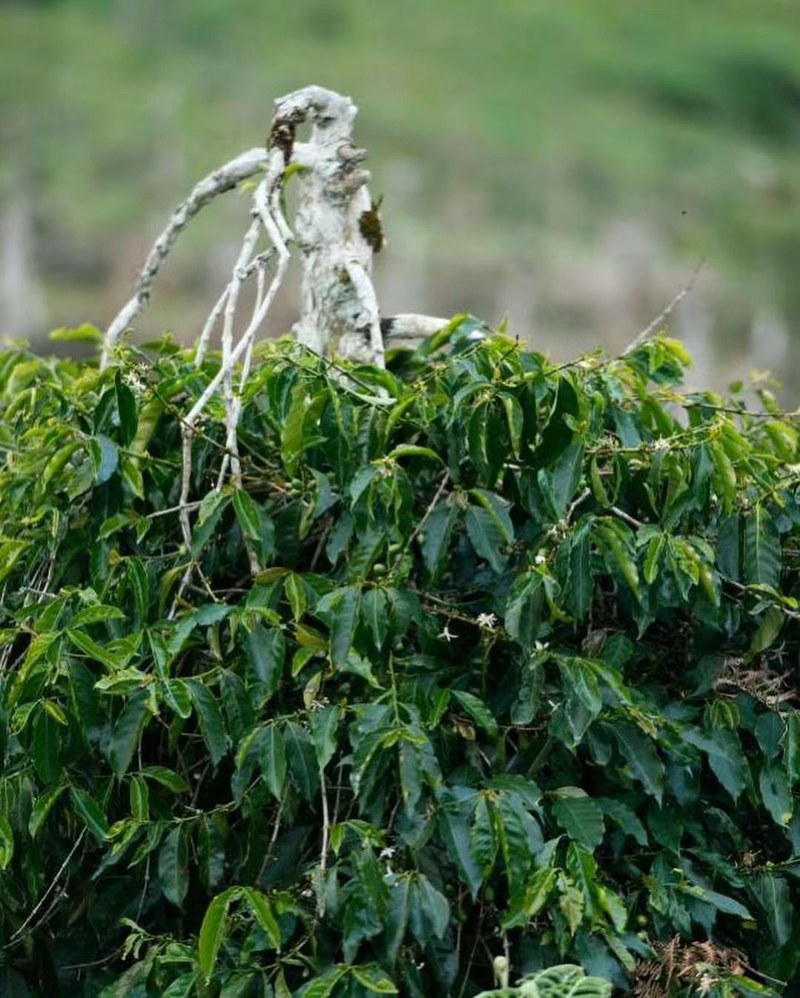
For the coffee industry, it is one of Ethiopia's important industries, with coffee accounting for 30%-35% of the country's export earnings, so the government needs to earn foreign exchange through coffee exports in order to purchase weapons, and may increase coffee exports. However, the outbreak of civil war may damage some infrastructure or road facilities, and the war may spread to some coffee-producing regions, which will lead to reduced yields and lower quality. In addition, with the outbreak of civil war, incidents such as kidnapping also frequently occur locally, and the security situation is severe, so coffee traders reduce their trips to the area, which likewise hinders the development of Ethiopia's coffee industry.
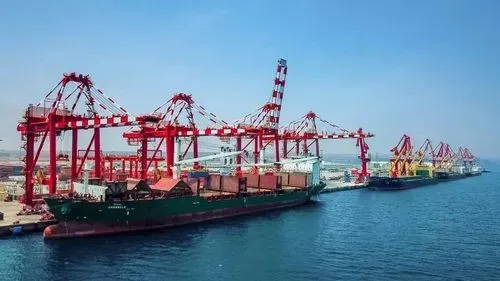
In addition, exports are currently a major problem, all because of the Red Sea crisis, which has blocked Djibouti port, Ethiopia's only export outlet. Earlier, MSC, the company handling 80% of the port's imports and exports, announced the suspension of its Djibouti port operations, which will seriously affect Ethiopia's coffee supply.
Related Reading






Comments (0)
Loading comments...
You May Be Interested





Trending Reviews
Popular Videos

With you, wherever you are! We provide useful features to help you find new things you'll love






