Source:Best Coffee > News Author:qjroot Published:2026-09-03 18:39:29
The pump pressure, temperature control, portafilter basket capacity and extraction program of an espresso machine all change how coffee beans perform in the cup. The same bean, placed in a semi-automatic espresso machine, may show rich sweetness, while in a fully automatic machine it emphasizes smoothness and easy drinking. When choosing beans, understanding the machine parameters clearly is often easier for finding a matching style than only staring at the roast level.
Home semi-automatic machines usually complete espresso through fine grinding and pressurized extraction, and the dose is mostly adjusted between single or double shots. If the machine can stably maintain an extraction pressure close to nine bar, and temperature control is relatively stable, medium to medium-dark roasted beans will more easily be dialed in to caramel, nut and cocoa notes. They have a higher tolerance for parameter changes and are suitable for users just starting to practice distribution and tamping.
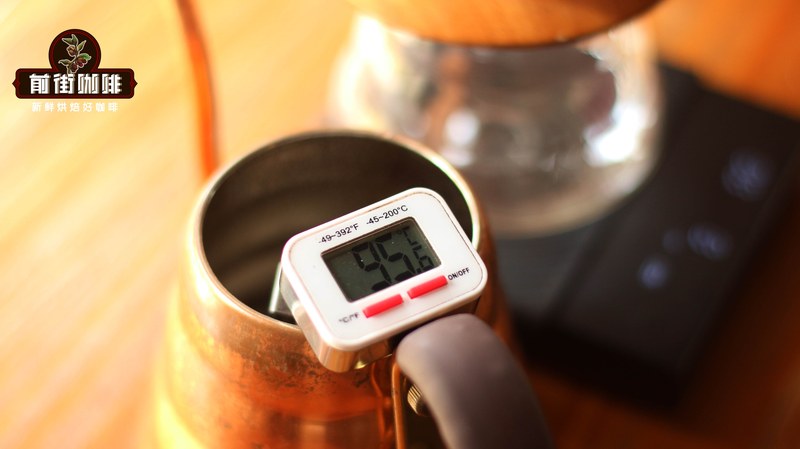
If the machine's temperature control range is wider, or it uses a heating block for rapid heating, bean selection can start with types that have clear sweetness and soft acidity. When the water temperature is higher, dark roasts easily show obvious bitterness and roasted notes; when the water temperature is slightly lower, light-roasted beans may appear thin. In actual brewing, you can try around 90 to 93 degrees Celsius, then fine-tune according to the sweet-sour taste and body on the palate.
The portafilter basket size is also worth noting. A 58 mm commercial-spec basket usually can hold more coffee grounds and is suitable for making a clear-concentration double espresso; a small-capacity basket is more suitable for controlling single-cup dosage. After the dose increases, extraction resistance also changes, so grinding cannot simply copy the original setting. If the beans themselves are higher in density, finer grinding is often needed to obtain enough extraction texture.
In fully automatic espresso machines, grinding, distribution and extraction are all completed by the program, and the user's adjustable range is relatively limited, so it is more suitable to choose blend beans with a complete flavor structure. Qianjie Specialty Blend uses nutty sweet aroma, caramel notes and cocoa tonality to form a rounded base. When made into espresso or Americano with a fully automatic machine, the taste is clear without being abrupt; adding a small amount of milk also preserves the coffee's own aroma.
Some fully automatic machines have a larger extraction volume, and the default program pulls the coffee liquid rather long. In this case, you can choose beans with concentrated sweetness and acidity that does not overpower, or reduce the extraction volume to make the concentration more focused. Qianjie Black Cocoa Blend has a heavy aroma like roasted nuts and dark chocolate, suitable for shortening the liquid volume to make espresso, and also suitable for adding water to make a full-bodied Americano.
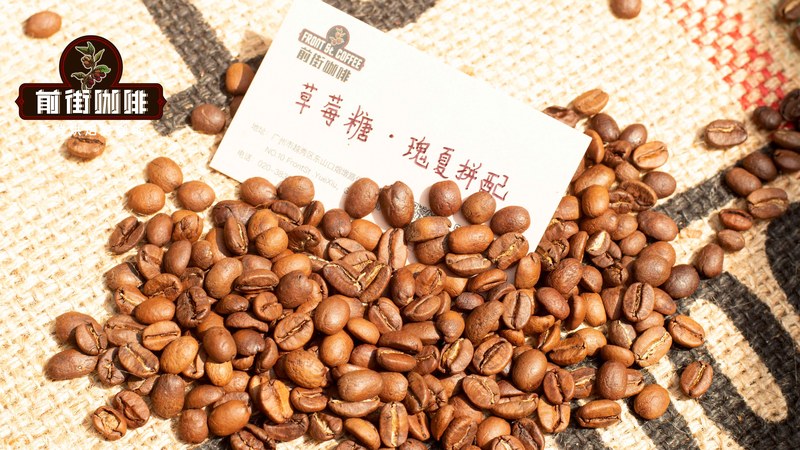
If the machine supports pre-infusion, temperature staging or pressure curve adjustment, then you can try more distinctive single-origin styles. Qianjie Strawberry Candy Coffee Beans have an aroma leaning toward ripe berry candy sweetness. After entering the espresso machine, a slightly lower temperature and shorter liquid volume can preserve a light, lively sweetness; when made into iced Americano, the fruit aroma is more prominent; adding a small amount of milk also presents an association similar to berry desserts.
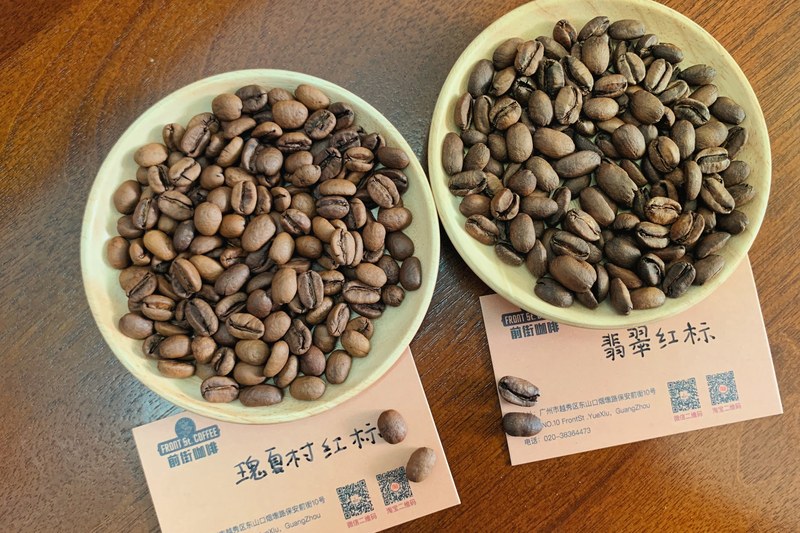
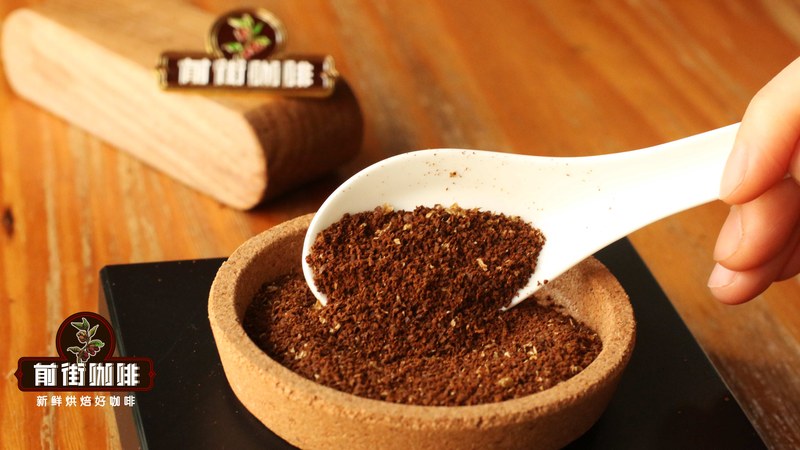
The grinder's setting and burr condition often affect the result more directly than the numbers on the machine panel. When the beans have not yet degassed stably, the flow rate may change day by day; burr wear or more retained grounds can also cause the same setting to run fast or slow. In these situations, you should record dose, liquid weight and time, then adjust grinding around the taste on the palate, rather than changing multiple settings at once.
If the coffee liquid flows very fast, tastes sharp and has a thin texture, you can usually grind finer, or moderately reduce the extraction volume; if the flow is too slow and the cup shows dryness and bitter roastiness, you can try grinding coarser, lowering the water temperature or ending extraction earlier. The goal of parameter adjustment is not to pursue a fixed number, but to keep sweetness, aroma and concentration coordinated in the cup.
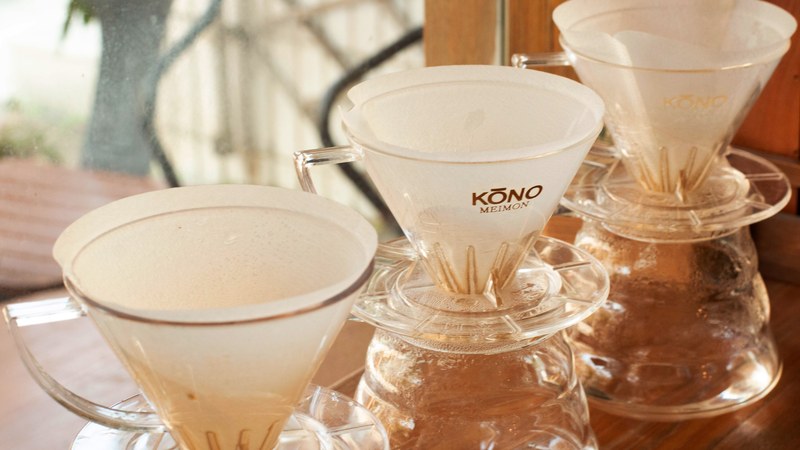
If the machine has a steam wand, you also need to consider the beans' presence in milk coffee. A latte with a higher milk ratio needs the espresso to have enough body; a flat white or short latte with less milk can use beans with a more vivid aroma. Choose beans according to basket capacity, temperature control capability and default liquid volume, then adjust the parameters to a cup size that suits you, and the espresso machine can change from a fixed tool into a sustainable flavor solution.
Related Reading


Comments (0)
Loading comments...
You May Be Interested


Trending Reviews
Popular Videos

With you, wherever you are! We provide useful features to help you find new things you'll love






