Source:Best Coffee > News Author:qjroot Published:2026-09-07 13:47:44
The fruitiness and sweetness of sun-dried coffee beans often need a suitable extraction rhythm to come through. With a slightly higher water temperature, the aroma and sweetness are released more fully; with a finer grind, the cup's strength rises, but astringency is also more likely to appear in the finish. Rather than copying a fixed recipe, first decide-based on the bean's flavor intensity-whether the pour-over should highlight clarity, or whether the espresso should retain body.

For pour-over, you can start with a medium-fine grind, a 1:15 coffee-to-water ratio and a water temperature of around 90°C, for example 15 g of coffee grounds to 225 g of water. Pour in two to three stages: let the coffee bed fully absorb water in the first stage, then reduce the agitation in the later stages, keeping the whole process between 2 minutes 30 seconds and 3 minutes. This both opens up the aroma of sun-dried beans and makes it less likely to push the fermented and dry notes too far.
If the beans show berry, citrus or juice-like sweet-and-sour notes, the water temperature can be set at 91°C to 93°C with a slightly finer grind to help the aroma and sweetness unfold. When the entry is sharp and the flavor seems to stay on the surface of acidity, you can increase the total contact time; if the finish feels dry, adjust the grind one step coarser, or reduce agitation in the later stages to make the finish cleaner.
Qianjie Kenya Small Tomato is suited to a higher temperature to brew bright fruit acidity. Use 15 g of grounds with 240 g of water, a water temperature of 92°C, a medium-fine grind, and pour in three stages, aiming for a total time of about 2 minutes 40 seconds. The cherry-tomato-like sweet-and-sour notes will feel juicier, and the smoked plum note gradually appears as it cools; if you find the acidity too jumpy, you can widen the coffee-to-water ratio to 1:16 to make the cup lighter.
For a pour-over with a soft aroma that becomes sweeter as it cools, you can slow down the pouring action. Qianjie Kaffa Forest can use 15 g of grounds with 225 g of water, a water temperature of 90°C to 91°C, a medium-fine grind, and after a 30-second bloom, pour in two stages. The orange and apricot notes appear first, and after the liquid temperature drops, the tea-like quality and sweetness connect more naturally.
Qianjie Granja Estate Geisha has a fuller sun-dried character, making it suitable for staged pouring to observe the layers. Use 15 g of grounds with 240 g of water, a water temperature of 91°C, a medium-fine grind, bloom with 40 g, then pour in three stages, keeping the total time under 3 minutes. The aromas of orange blossom and guava open up in the first stage, while the later stage leaves a sweet, moist sensation like apricot and strawberry jam.
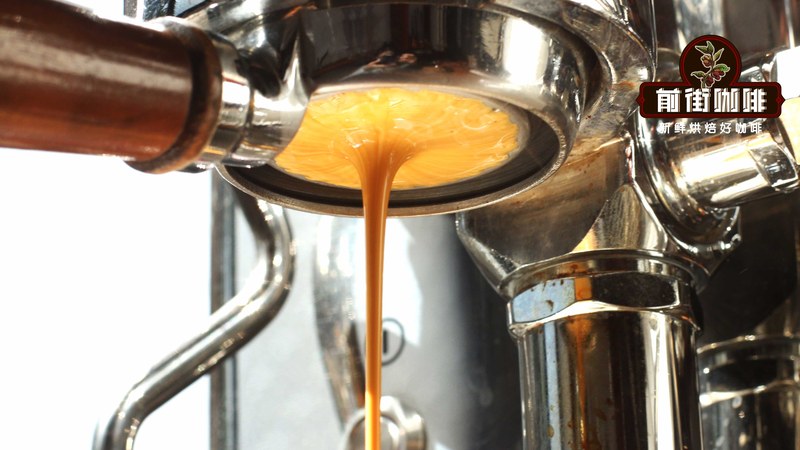
When switching to espresso, the approach should shift from "amplifying aroma" to "controlling concentration." You can start with 18 g of grounds and 36 g of liquid weight as a baseline, an extraction time of about 28 to 32 seconds, and pressure maintained at 8 to 9 bar. Sun-dried beans usually do not need to pursue excessively high pressure; a stable puck and even distribution are more important, otherwise the fruit acidity easily seems sharp and the fermented notes are amplified.
For espresso with sun-dried beans, the grind is usually two to three steps finer than for pour-over, and the water temperature can be tried from 91°C to 93°C. If a large amount of liquid flows out before 20 seconds, it means the puck resistance is insufficient and the grind should be adjusted finer; if it still drips past 35 seconds and the entry shows burnt bitterness and dryness, adjust it coarser. When pressure, time and yield change at the same time, it is often difficult to judge the source of the problem, so only one parameter should be changed at a time when adjusting.
When Qianjie Kenya Small Tomato is used for espresso, the ratio can be stretched to 1:2.2, that is 18 g of grounds extracting about 40 g of liquid, reducing the sharpness brought by concentration, and it is suitable for making americano or drinking over ice. Qianjie Granja Estate Geisha can maintain 1:2 to retain more concentrated floral and fruity aromas; if used for milk coffee, increasing the liquid weight to 38 to 40 g allows the jam-like sweetness to combine more smoothly with the milk.
Water quality and drinking temperature also change how sun-dried beans perform. Water with lower minerals usually preserves the light aromas more easily; when the water has a stronger buffering capacity, the acidity seems rounder. Do not draw conclusions immediately after the pour-over is served; as the temperature drops from scalding to warm, the sweetness, tea-like quality and fruity aroma often rearrange themselves. Only by fine-tuning the parameters according to this change can you find the cup that truly suits you.
Related Reading



Comments (0)
Loading comments...
You May Be Interested





Trending Reviews
Popular Videos

With you, wherever you are! We provide useful features to help you find new things you'll love






