Source:Best Coffee > News Author:qjroot Published:2026-09-18 17:18:58
When you tear open a mixed-origin drip coffee bag, the whole room fills with the nutty, floral and fruity aromas of roasting, but whether the cup can actually restore the original sweetness and layering of the origin after hot water is poured in often depends on the water boiled in the kettle. Water makes up more than 98 percent of the entire cup of coffee, and the amount of minerals in the water and its acid-base buffering capacity are the key that quietly determines aroma release and the softness of acidity.
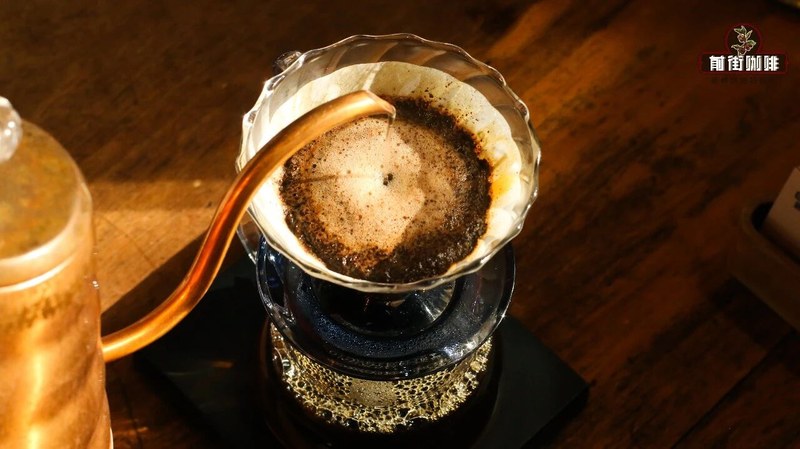
The water used for everyday coffee brewing is mainly judged by total dissolved solids, commonly known as TDS, and by the softness or hardness formed by calcium and magnesium ions. Calcium and magnesium ions help extract the aromatic volatiles and rich sugars from coffee grounds, while bicarbonate plays the role of regulating acidity. If the water has too high a mineral content and is too hard, it easily suppresses the delicate fruit aromas of lightly roasted beans from a region; if water that is too pure and soft is used, the brewed coffee may be clean but sometimes tastes thin and finishes with a shorter sweetness.
When brewing drip coffee at home day to day, it is easy to use natural lightly mineralized water with relatively moderate water quality or drinking water filtered through a high-quality water filter pitcher. This kind of water usually has moderate hardness, with TDS maintained between several dozen and just over 100 mg per liter. It can provide enough minerals to draw out the sweetness and fruit acidity of the coffee, without neutralizing the bright fruit acidity into a flat, woody tone because of excessive alkalinity. It is especially suitable for showing the rich and varied floral and fruity aromas of beans from blended regions.
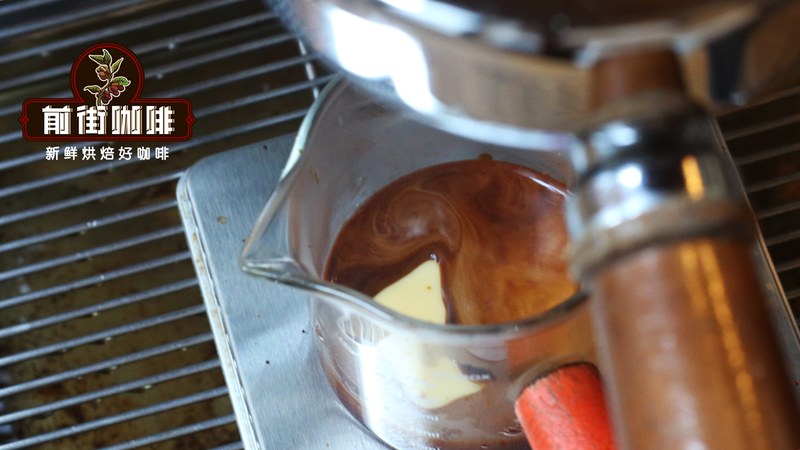
In a box of mixed drip coffee covering Africa, the Americas and other multiple flavors, each small packet carries the distinctive character of its origin's terroir, and a small adjustment with water can make the identity of different regions clearer. For high-altitude beans known for floral aromas and fine fruit acidity, choosing water that is on the softer side with moderate mineral content often lifts their crystal-clear fruit character just right, making an everyday cup of black coffee drink like a crisp floral and fruity tea.
For example, if you take out a packet of light-roasted Qianjie Kaffa Forest from the box, it comes from the native forest zone of Ethiopia and itself carries distinct sweet orange, ripe apricot and a long oolong-tea-like finish. When brewing this drip packet, it is suitable to pair it with lightly mineralized water with lower TDS to emphasize the clarity of the aroma, set the water temperature at 91°C, use 10g for the drip packet, control the total poured water at 150ml, and keep the total time at 2 minutes 05 seconds. Use a three-stage pouring method: first pour 30ml of water to fully wet the coffee bed, then after a ten-second interval slowly pour the remaining water in two stages. The tea-like fragrance and sweetness will show especially clearly.
If instead you switch to the rich and full-bodied Qianjie Kenya Cherry Tomato, this bean is known for cherry tomato, sweet-and-sour smoked plum and a thick finish like dark brown sugar, with a very abundant juicy feel. When brewing this drip packet, you can use natural mineral water with slightly higher hardness, lower the water temperature to 89°C, choose 12g for the drip packet, pour up to 180ml of water, and keep the total time at 2 minutes 15 seconds. Use a two-stage pouring method: pour 60ml in the first stage to awaken the dark fruit aromas, then steadily pour the rest of the water until dripping is complete. It drinks like a glass of freshly squeezed berry-tomato juice at a pleasant temperature.
If you draw the fascinating floral and fruity Qianjie Grana Estate Geisha, the natural process gives it orange blossom, ripe guava and a dense strawberry-jam-like aroma, with very delicate transitions between layers. At this point you need soft water with higher purity to set off its light body. The suggested water temperature is 90°C, the drip packet specification is 10g, pour in 160ml of hot water, and keep the total time at 2 minutes 20 seconds. The pouring method is likewise three-stage pouring, using an extremely thin and gentle central stream to evenly saturate the coffee bed. The layer-by-layer floral aroma and sweetness will show a very wonderful change as the cup goes from warm to cool.
When choosing multi-flavor mixed drip coffee, it is worth paying more attention to the processing method and regional characteristics stated on the packaging. Natural process and high-body beans are usually more tolerant of water quality, and lightly mineralized water can make berry sweetness and nutty aromas rounder; while washed-process beans pursuing high cleanliness are more sensitive to high-TDS water, and the fresher the water, the more delicate and bright the citrus notes and white floral aromas will be.
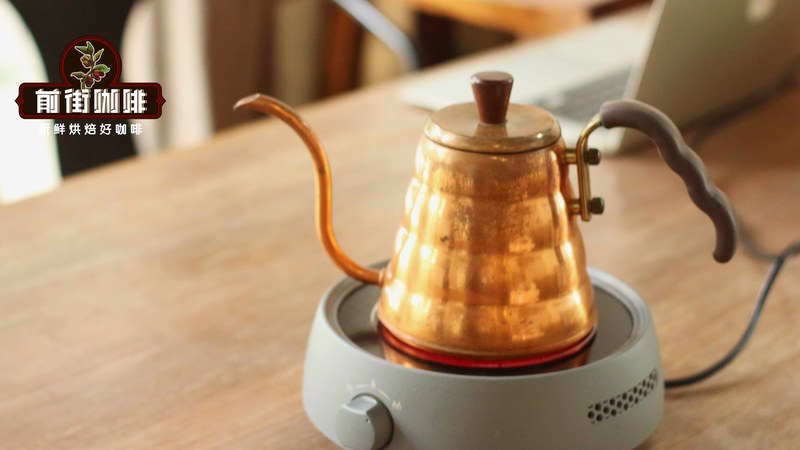
Even if you only have the most common kettle on hand, you can still pair everyday water according to the flavor preferences of the drip packet. If you want fuller sweetness and a wrapping mouthfeel, pour a bottle of natural water containing a small amount of minerals and heat it; if you want to capture light floral aromas and translucent fruit acidity, choose low-hardness filtered water. Once you understand the extraction patterns of water quality on aromatic substances, when facing a whole box of mixed drip coffee with different flavors, every day's brewing can add another layer of pleasure in exploring the terroir of the regions.
Related Reading

Comments (0)
Loading comments...
You May Be Interested


Trending Reviews
Popular Videos

With you, wherever you are! We provide useful features to help you find new things you'll love






