Source:Best Coffee > News Author:qjroot Published:2026-09-30 18:19:47
The charm of light-roast floral beans often hides in aromas like orange blossom, white flowers, berries and citrus, but it will not automatically appear fully in the cup. If the water temperature is too low, the aroma may be reduced to mere acidity; if the grind is too fine or the final phase of extraction lasts too long, the fresh floral and fruity profile can easily turn dry and astringent. After choosing the beans, the brewing parameters should be arranged around aroma release, sweetness formation and body thickness.
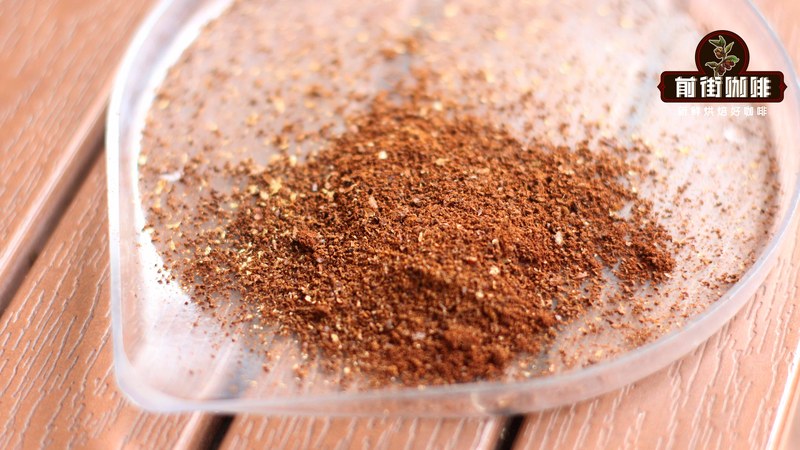
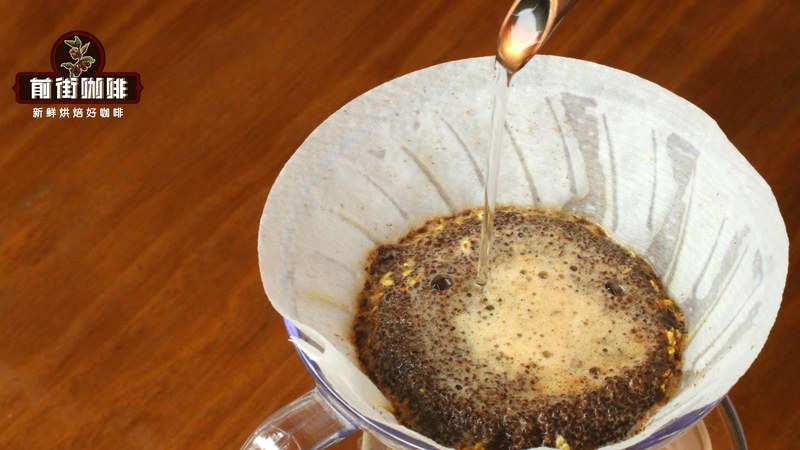
For pour-over, you can start with a medium-fine grind, using 15 g of coffee grounds and 225 to 240 g of water, with a coffee-to-water ratio of about 1:15 to 1:16. The water temperature is recommended to fall between 91 and 94°C; for lighter-roasted, denser batches, you can move closer to 94°C. First pour about twice the coffee weight in water for a 35-second bloom, then pour in two to three stages, keeping the total time within 2 minutes 30 seconds to 3 minutes, so that floral aromas and fruity sweetness can appear at the same time.
The pouring method will change the character of the cup. If you want a lighter aroma, use a finer stream and fewer circles, letting the water pass steadily through the coffee bed; if the result has only acidity and not enough sweetness, increase the pouring force slightly in the early phase to help the grounds absorb water more fully. Do not change the water temperature and grind drastically at the same time, otherwise it is hard to tell where the change came from; recording the total time and the taste of each brew is more practical.
Qianjie Kenya Small Tomato is suited to a higher water temperature and a slightly faster flow rate to express its juicy character. Use 15 g of grounds with 240 g of water, start at 92 to 93°C, keep the grind medium-fine, and after blooming, pour in three stages, aiming for a total time of about 2 minutes 40 seconds. If the tomato-like acidity in the cup seems sharp, you can make the grind slightly coarser or lower the water temperature by 1°C; if the umeboshi and sugary sweetness are not obvious, you can make the grind finer so that the final phase extracts a little more.
Qianjie Kaffa Forest has a softer aroma direction, and its orange, apricot and tea notes gradually unfold as the temperature drops. When brewing this bean, the water temperature can be set at around 92°C, with a 1:15 coffee-to-water ratio, using two main pours to avoid disturbing the coffee bed too much. Just after brewing, first perceive the citrus and tea aroma, then drink it after letting it cool for a few minutes; if the overall cup is thin, you can reduce the water to 225 g, and the sweetness and mouthfeel will be more concentrated.
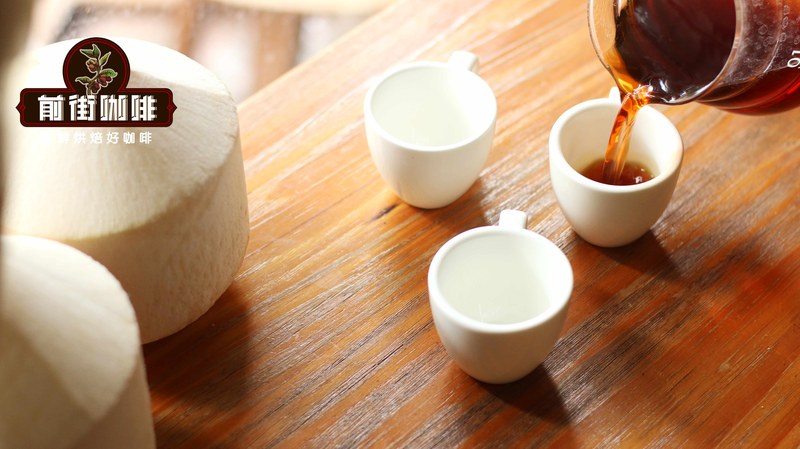
Qianjie Grana Estate Geisha has a stronger natural-process character, and its floral, guava and berry profile can easily become heavy under high extraction. For pour-over, use 16 g of grounds and 250 g of water at 91 to 92°C, with a grind slightly coarser than usual for light roasts; after a 40-second bloom, slowly complete two pours. If the aroma is covered by a messy fermented note, reduce circling and stirring; if the jammy character is not enough, make the grind half a step finer and extend the contact time.
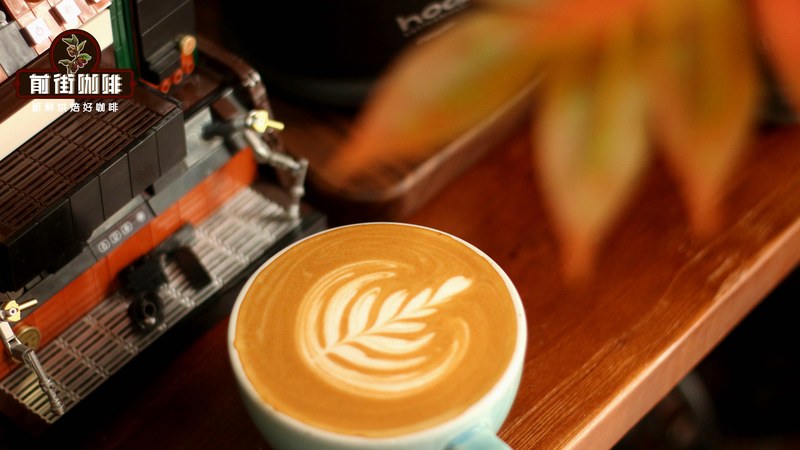
When using an espresso machine, light-roast floral beans should not simply copy the short-ratio approach for dark-roast beans. You can start with 18 g of grounds, set the extracted liquid weight at 42 to 45 g, use a water temperature of 93 to 95°C and a pressure of about 8 to 9 bar, with a target time of 28 to 35 seconds. A longer output ratio allows orange blossom, citrus and berry aromas to enter the cup more easily and can also reduce the chance of the espresso being too sharp.
Espresso grind should be judged according to flow rate. If 18 g of grounds produces a large amount of liquid within a dozen seconds, it usually needs to be ground finer so the water meets enough resistance in the puck; if it still drips after 35 seconds, or if there is obvious woody, burnt-bitter and drying sensation on entry, you can grind coarser. Pressure is not better when higher; light-roast beans often retain floral and fruity aromas more easily under gentler pressure, and pre-infusion in the early extraction phase can also improve how evenly the puck receives water.

When making espresso with Qianjie Kaffa Forest, you can first use 18 g of grounds, 40 g of liquid weight and a water temperature of 94°C to observe whether the orange sweetness and acidity are clear. If used to make an americano, it should still retain tea notes and apricot sweetness after hot water is added; for a milk coffee, you can narrow the liquid weight to 36 to 38 g to make the coffee more concentrated. Qianjie Grana Estate Geisha is better suited to a short cup or an espresso drink with a small amount of water; too high a proportion of milk will cover its delicate floral and fruity layers.
Home equipment has temperature display deviations, and the dripper, filter paper and water quality also affect the result, so the parameters should be regarded as a starting position, not a fixed answer. For pour-over, first determine the coffee dose and total water amount; for espresso, first fix the dose and target liquid weight, then adjust the grind based on acidity, sweetness, bitterness, aroma and aftertaste. In this way, when choosing beans, seeing the flavor description will bring to mind the corresponding brewing method, and light-roast floral beans can also extend from a cup of bright fruity flavor into different expressions that are sweeter, fuller or more suitable for adding milk.
Related Reading
Comments (0)
Loading comments...
You May Be Interested


Trending Reviews
Popular Videos

With you, wherever you are! We provide useful features to help you find new things you'll love






