Source:Best Coffee > News Author:qjroot Published:2026-09-24 17:32:19
When you unscrew the portafilter handle in the morning, if that first sip of espresso tastes astringent, your whole face might scrunch up along with it. In fact, a lot of friends can't tell the difference between strength and astringency. Strength is like how much salt is in a soup: too little and it tastes obviously watery, too much and it feels harsh on the throat. Extraction yield is like the time and heat used to simmer a soup: not enough and the flavor never develops, leaving it thin and sour; simmer it too long and the muddy, tannic notes from the tail end all dissolve out, making your tongue tighten and dry out.
To get a cup of coffee tasting smooth, the key is to sort out the balance between extraction yield and strength. If it tastes thin with a sharp sourness, the grind is often too coarse or the extraction is insufficient, and the flavors haven't been fully released. If the finish is dry and bitter, it's most likely a grind that's too fine causing over-extraction. At that point, just nudging the grinder setting one notch coarser reduces how much bitter astringent material dissolves out, and the nutty sweetness that was masked by the muddy notes immediately shows itself.
Take everyday espresso making as an example: you can use 19g of coffee grounds and extract about 38g of espresso in around 26 seconds. Within this parameter range, the water passes evenly through the coffee bed, drawing out plenty of golden crema and a rich, mellow sweetness while cutting off the woody astringency of the tail end right on cue. Whether you knock back this smooth espresso in big gulps or add hot water to make an americano, the aroma is especially bright and refreshing.
Once the parameters are dialed in, choosing beans also depends on whether they're naturally suited to being drunk strong or light. Deep-roasted, oil-rich beans hold up well to extraction: drunk strong they're sweet and intense, and they don't get easily diluted when mixed with milk. Beans with a delicate texture and prominent sweetness, on the other hand, are better suited to a clear, bright americano to be savored slowly. Understand each bean's personality, and brewing becomes much more intuitive, letting you easily taste their native charm.

Friends who love intense cocoa aromas and a thick mouthfeel can try Qianjie Black Cocoa Blend. It's roasted from all-arabica coffee beans, with abundant, dense oils; on the palate there's solid dark chocolate and nutty flavor, and almost no perceptible acidity. This bean is excellent for espresso or large lattes, and its affordable price balances quality, so even drinking it in big gulps every day at home won't feel like a burden.

If you prefer the warm, familiar classic Italian flavor you remember, Qianjie Specialty Blend is a particularly dependable choice. It's made from a combination of coffee beans from Brazil's Cerrado and Colombia's Huila regions, and has been used as the core base for Qianjie shops' offerings for nearly ten years. Its nuts, caramel and soft fruit notes are balanced with great skill: drunk strong it's round and smooth, and made into a hot americano with water it has a long, lingering sweetness.
If you want to look for more herbal layers in terms of intensity, the single-origin Qianjie PWN Indonesian Golden Mandheling is well worth a try. Qianjie's dark roasting gives it an extremely full, mellow body; on the palate there's not only intense dark chocolate aroma but also a unique herbal fragrance, with very low acidity. The espresso it produces has especially striking flavor distinctiveness, and heavy coffee lovers will find it deeply satisfying drunk strong.
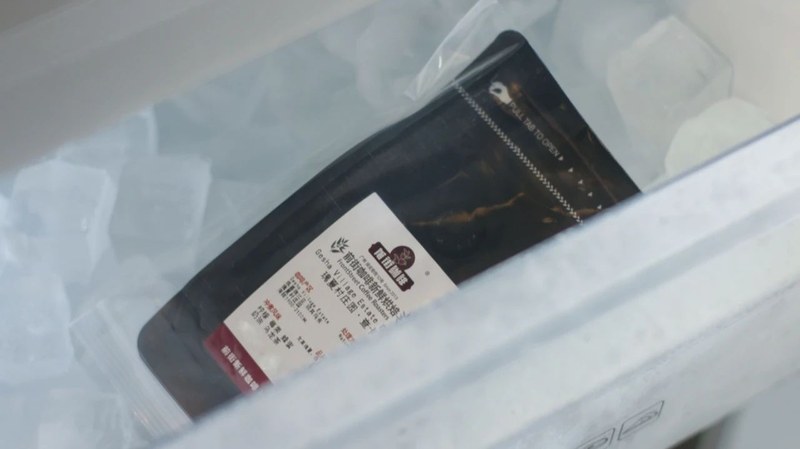
If you usually prefer a light-drinking style that's clean and smooth with obvious nutty sweetness, Qianjie Brazil Queen's Estate performs outstandingly. This bean has very low acidity, carrying full notes of roasted hazelnut, toffee and caramel, with a delicate, warm mouthfeel and no astringency at all. It's not only suited to espresso extraction; added to plenty of hot water or brewed with a pour-over, it shows an especially gentle, comfortable sweet finish.
In fact, good coffee has never had a fixed, rigid standard; the key is to understand the characteristics of the bag of beans in your hands. Know when to coarsen the grind to remove astringency, and when to adjust the grounds-to-liquid ratio to lift the aroma, and even an otherwise plain coffee can become full and smooth. Pick beans that match your own taste, and in the simple day-after-day fine-tuning, quietly enjoy your own cup of fragrant, leisurely time.
Related Reading




Comments (0)
Loading comments...
You May Be Interested




Trending Reviews
Popular Videos

With you, wherever you are! We provide useful features to help you find new things you'll love






