Source:Best Coffee > News Author:qjroot Published:2026-08-21 13:38:16
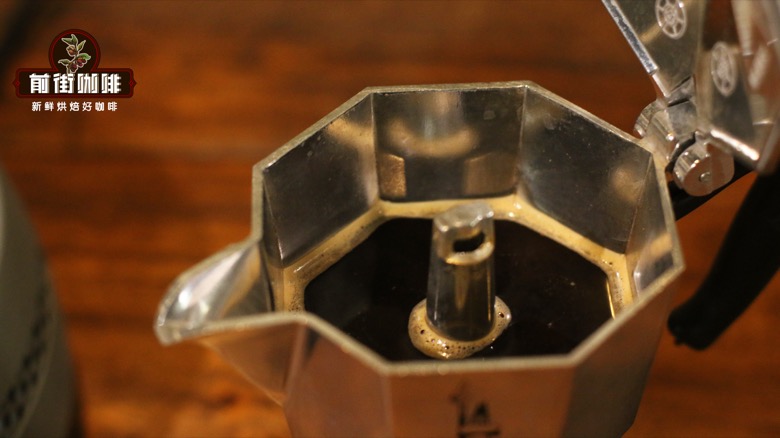
Although the moka pot has a simple structure, to consistently produce a good cup of coffee, controlling the parameters of coffee dose and liquid volume is equally important. Unlike espresso machines, the moka pot has a limited adjustable range of parameters, but mastering a few key points can greatly improve consistency. The coffee dose depends on the capacity of the moka pot. Common two-cup moka pots hold about 14 to 16 g of coffee in the basket, and three-cup pots about 18 to 22 g. Filling the basket to eight-tenths full without tamping is the standard practice. If filled too full, the coffee bed is too thick, steam cannot push the water through, and clogging easily occurs; if filled too little, the bed is thin, water passes through too quickly, and extraction is insufficient. Eight-tenths full without tamping is the balance point between looseness and thickness of the coffee bed, allowing steam to pass through evenly. The grind size directly affects the resistance of the coffee bed. Use a medium-fine grind for the moka pot, one step coarser than espresso and one step finer than pour-over. If the grind is too fine, the coffee bed has high resistance, and when steam pressure is insufficient, the water cannot be pushed through, and may even spray from the safety valve. If the grind is too coarse, the coffee bed has low resistance, water passes through quickly, and extraction is insufficient. The standard for medium-fine grinding is that the coffee bed has appropriate resistance but does not clog, and the flow rate is steady and consistent. The liquid volume is determined by the amount of water in the lower chamber of the moka pot. Do not fill the lower chamber above the safety valve; the safety valve marks the maximum water level. A two-cup moka pot takes about 120 to 150 ml of water in the lower chamber and yields about 50 to 60 ml of concentrated liquid. More yield is not better; the liquid that comes out later contains more bitter compounds and tastes worse. The ideal yield is a coffee-to-liquid ratio of about 1:3 to 1:4, so with 16 g of coffee, stop at 50 to 60 ml of liquid. The heating method is the key variable in output quality. Heat over medium-low heat; the water temperature rises slowly, steam pressure gradually increases, and water passes through the coffee bed at a steady rate. Heating over high heat makes the water boil too quickly, steam pressure surges, water rushes through the coffee bed quickly, extraction is uneven, and a burnt, bitter taste easily appears. From the start of heating to the first flow takes about 5 to 7 minutes; during flow, the liquid level rises slowly from the spout, and when you hear a gurgling sound, extraction is near its end, so remove it from the heat promptly. After removing from the heat, wrap the base of the pot with a cold towel to cool it down, which immediately stops extraction and prevents bitter compounds from dissolving out in the later stage. This step is crucial; if you do not remove it from the heat in time, the liquid that comes out later will drag down the good flavors extracted earlier. The moka pot produces a concentration higher than pour-over and lower than espresso. The concentrated liquid is about 30 to 40 ml per cup; drunk straight, it is like a small cup of short espresso, suitable for sipping slowly. Add water to make an Americano, add milk to make a latte; the output is very flexible. The concentrated liquid made at a coffee-to-liquid ratio of 1:3 is intense and full-bodied; after adding water at 1:3 to make an Americano, the concentration is just right; after adding milk at 1:4 to make a latte, the coffee flavor is still clear. When the four parameters of coffee dose, grind size, liquid volume and heating method work well together, moka pot output will be consistent. The parameters do not need to be adjusted every time; once fixed, each day you only need to confirm the grind size has not changed, the coffee dose is filled to eight-tenths, the water level does not exceed the safety valve, and it is heated over medium-low heat, and the output will be basically the same. The advantage of the moka pot is that once the parameters are fixed, the output is consistent, and you do not need to dial in the grind every day like with an espresso machine.

There is one more thing to note in daily use of a moka pot: after each use, disassemble and clean it thoroughly, dry it, then reassemble and store it. If coffee oils remain on the basket and rubber gasket, long-term accumulation will affect the cleanliness of the output. Replace the rubber gasket regularly to ensure a good seal; if the seal is poor, steam will leak from the seam, and insufficient pressure will affect extraction.
Related Reading







Comments (0)
Loading comments...
You May Be Interested




Trending Reviews
Popular Videos

With you, wherever you are! We provide useful features to help you find new things you'll love






