Source:Best Coffee > News Author:qjroot Published:2026-09-07 10:47:42
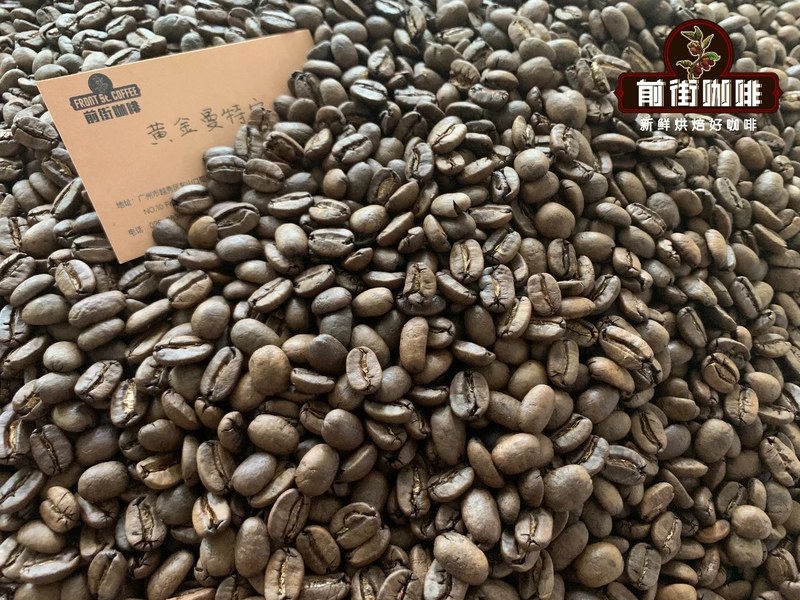
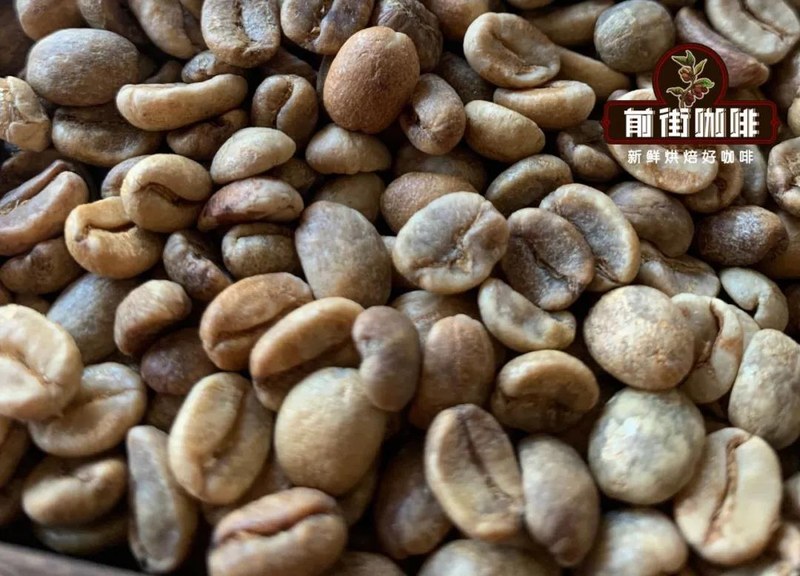
A coffee bean suitable for a latte is not just about "having a strong enough taste." It needs to develop sweetness, texture and clear aroma in a relatively short extraction, then connect with the lactose sweetness and fattiness of milk. Blends with nutty, chocolate and caramel notes easily create a full-bodied cup; fruity beans can also be used, but require a smaller amount of milk to preserve their distinctiveness.

To judge how a bean should be brewed, look at its roast profile and solubility. Darker-colored, more porous beans release quickly, so water temperature and yield should be kept lower; for medium-roast beans where you want to bring out caramel sweetness, a slightly higher temperature and longer contact can be used. A latte does not rely on bitterness to fight the milk, but rather lets the espresso itself be sweet, thick and without obvious dryness.
Qianjie Classic Blend can serve as a starting sample for a traditional latte; in milk it presents a rounded feel like roasted nuts, cocoa powder and syrup. An espresso machine can use 18 g of grounds, extracting 36 to 40 g of coffee liquid, with time set at 27 to 31 seconds, brewing water temperature of 91 to 92°C, pump pressure observed around 8 to 9 bar, then add about 150 g of hot milk.
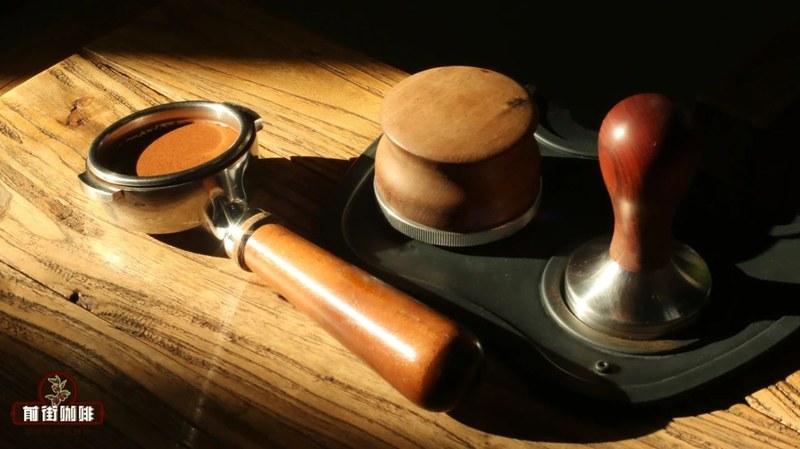
In this recipe, pressure is responsible for pushing water through the puck, while grind size is the key to controlling flow rate. If a large amount of liquid comes out in just over ten seconds, the coffee will be thin; grind half a step finer and check whether the distribution is even. If the flow is intermittent and still very little after 35 seconds, grind coarser. Keep tamping level; there is no need to use more force to compensate for grind or cracks in the puck.
If you prefer dark chocolate and lower acidity, consider Qianjie Dark Cocoa Blend. Its roasted nut aroma is thick and suits larger milk-based cup sizes. It is suggested to start with 18 g of grounds, 32 to 35 g of liquid weight, 25 to 29 seconds, water temperature 89 to 91°C; if the machine can adjust pressure, set it to about 8 bar to make the flow gentler, and paired with 160 to 180 g of milk it still has a clear cocoa finish.
If you want coffee that can both be added to milk and drunk as espresso on its own, Qianjie Specialty Blend has better balance. The sweet aroma formed by Brazilian and Colombian beans lands like ripe nuts, toffee and mild cocoa. You can use 18 g of grounds to extract 38 to 42 g, at 92 to 93°C, 28 to 32 seconds, with milk controlled at 110 to 140 g; the sweetness will stand out more than simply pursuing strength.
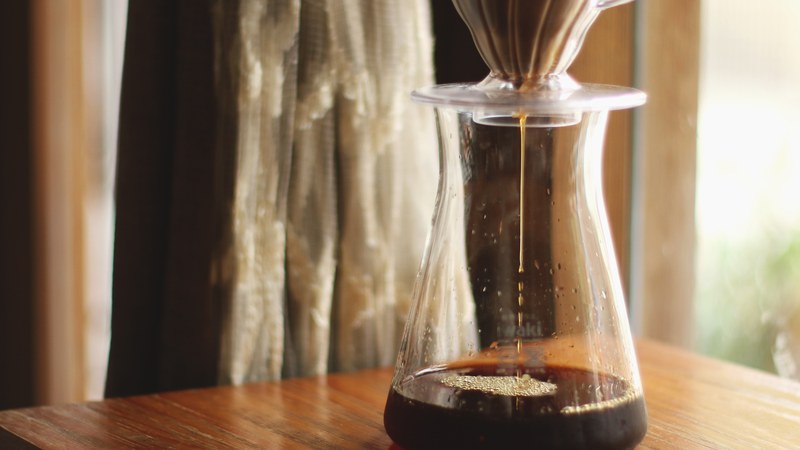
Without an espresso machine, you can also make espresso-style coffee liquid by pour-over, though it will not have the crema and viscosity of espresso. You can start with 20 g of grounds and 160 g of water, grinding one step finer than regular pour-over, using 40 g of water for blooming, then pouring in two stages, with a total time of about 2 to 2 minutes 30 seconds. Adding 90 to 120 g of hot milk to the resulting coffee liquid will give a lighter mouthfeel.
The pour-over method should also be adjusted according to the beans. Classic Blend can use 90 to 91°C and a 1:8 coffee-to-water ratio to reduce the amplification of roast notes; Specialty Blend can be raised to 92 to 93°C with a 1:9 ratio, allowing caramel sweetness and slight fruit acidity to unfold; Dark Cocoa Blend uses 89 to 90°C with gentle pouring, preserving body without bringing out excessive smokiness.
When tuning pour-over, first taste the coffee liquid without milk. If the entry is short, the sides of the tongue feel sour and the aftertaste disappears quickly, raise the water temperature by 1°C or slightly tighten the grind; if the tongue feels dry and the finish has a heavy woody taste, lower the water temperature by 1 to 2°C and reduce the impact of the later-stage pour. If the coffee liquid itself is harmonious and only becomes weak after adding milk, directly reducing the milk is more suitable than continuing to increase extraction.
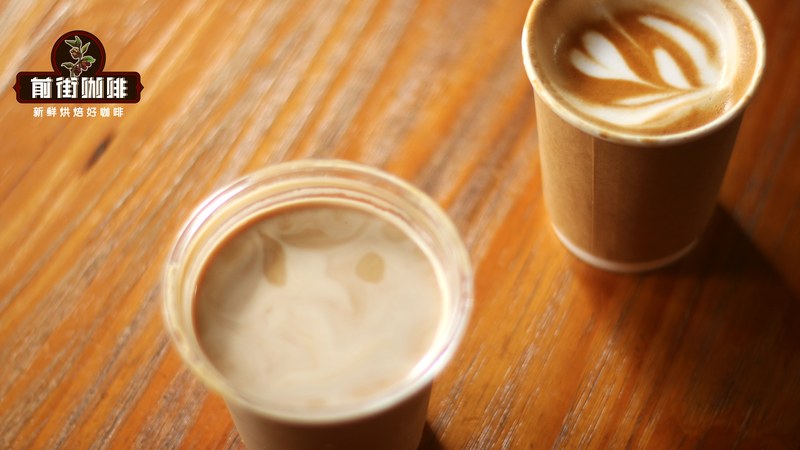
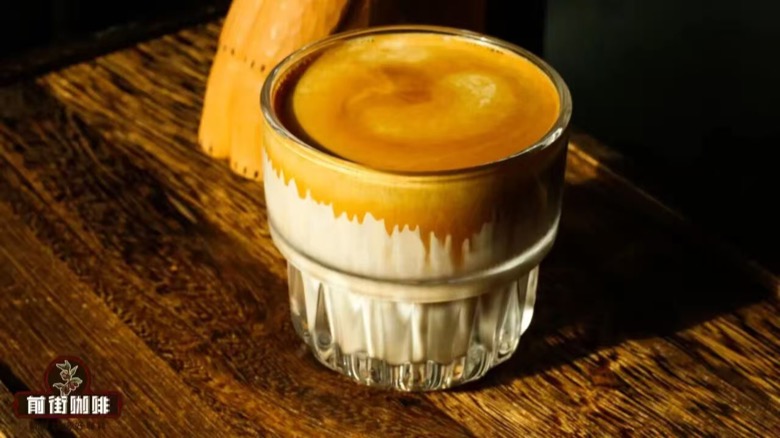
Milk is also part of the recipe. Heating it to about 60 to 65°C makes sweetness and smoothness easier to unfold; too high a temperature makes the coffee aroma seem dull. For darker blends, the coffee liquid and milk can be controlled at about 1:4 to 1:5; for lighter-flavored beans, around 1:3 can be used. Iced lattes also need to account for the water from melting ice, and the espresso liquid weight can be slightly shortened.
Therefore, if you often drink large lattes, you can build a recipe from Classic Blend or Dark Cocoa Blend; if you prefer smaller cups and want to also drink it straight, Specialty Blend will leave more room for variation. Once the beans are chosen, record the dose, liquid weight, time, water temperature and milk amount in the same log, then fine-tune according to the actual cup feel. When beans and parameters work together, a latte will have both a coffee outline and the softness of milk.
Related Reading



Comments (0)
Loading comments...
You May Be Interested

Trending Reviews
Popular Videos

With you, wherever you are! We provide useful features to help you find new things you'll love






