Source:Best Coffee > News Author:qjroot Published:2026-09-12 15:46:38
Each coffee bean contains different aromatic compounds and flavor tendencies, and the roast level and origin characteristics determine how it responds to water temperature and flow rate. When buying coffee beans, if you take the extraction logic you plan to use later into consideration, you can let the coffee grounds reveal a full, balanced layering when water is poured.
For light-roasted beans that emphasize elegant floral notes and bright fruit acidity, the focus of extraction lies in capturing the highly volatile aromatics of the early stage while avoiding the extraction of off-flavors in the later stage. These beans have a denser texture, and the coffee bed degasses relatively slowly, so they suit a medium-fine grind and a suitable water flow penetration, allowing the fresh sweet-and-sour sensation to flow out steadily.
Best Coffee Panama Hacienda La Esmeralda Red Label Geisha shows elegant jasmine florals and citrus notes, accompanied by a delicate lingering finish reminiscent of bergamot and black tea. When brewing, it is recommended to take 15g of coffee grounds, grind to medium-fine, use 91°C water, and pour 225ml of water. First pour 30ml of water and bloom for 30 seconds, then pour slowly in three stages, keeping the total extraction time at 2 minutes 10 seconds, which allows the black tea sensation and floral notes to unfold layer by layer.
Some light-to-medium roasted coffee beans carry a rich, complex fruit-juice character, with full sweetness and lively acidity. If too high a water temperature is used for these beans, it easily brings out excessive astringency; if the temperature is lowered appropriately and the infusion rhythm shortened, the berry sweetness and tropical fruit aromas become softer and more pleasant.
Best Coffee Colombia Sidra contains rich fruit-juice notes of passion fruit, grape, blueberry and sweet apricot. For this bean, use 16g of grounds with 89°C water, for a total pour of 240ml. Pour in two stages: after blooming with 40ml, pour steadily to 240ml at 40 seconds and stop, for a total extraction time of about 1 minute 50 seconds. The brewed coffee has a vivid juice-like quality, with a particularly outstanding sweetness.
African beans that lean toward tea-like notes and citrus freshness have a translucent texture, and moderately extending the extraction time brings out a deeper sweetness and lingering finish. By controlling the flow rate and the coffee-to-water ratio, you can balance the early fruit acidity with the later tea-like notes, making the cup feel clear and intriguing.
Best Coffee Yirgacheffe Gudingding gives off citrus and berry aromas, with a sweet finish reminiscent of green tea. Use 15g of grounds with 90°C water and a total pour of 225ml. Pour in three stages: 30ml to bloom for 30 seconds, a second pour to 130ml, and a third pour to 225ml, keeping the total time at 2 minutes 5 seconds, which expresses the citrus sweet-and-sour notes and green tea aftertaste in a crisp, translucent way.
If you plan to put light-to-medium roasted single-origin beans into an espresso machine to make a single-origin espresso, the grind size and extraction time require special attention. Light-roasted beans offer less resistance, so they usually need to be ground finer than a conventional blend, and paired with a suitable coffee-to-beverage ratio, so that the floral and fruity aromas fully merge under high pressure without tasting thin and sharply acidic.
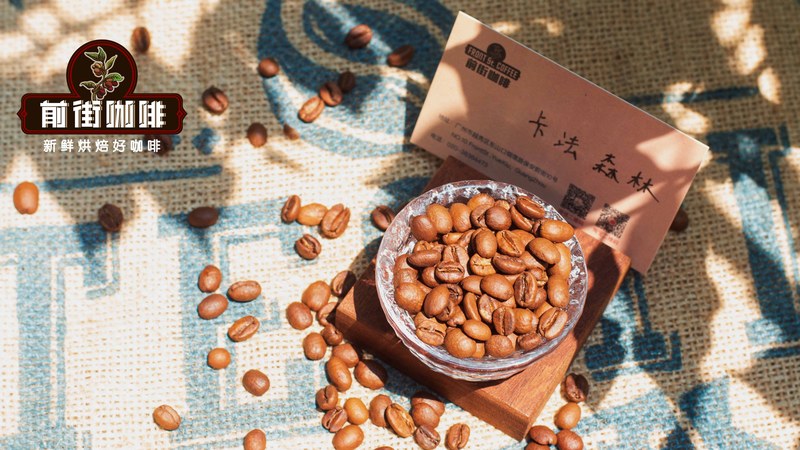
When making espresso with single-origin beans that have fruity notes, you can use 18g of grounds to extract 36g to 40g of coffee, maintaining the extraction pressure at 9 bar, with the time controlled between 26 seconds and 28 seconds. This ratio effectively raises sweetness and suppresses overly sharp acidity; whether drunk straight or diluted with a small amount of ice water to make an americano, you can taste rich fruit aromas and clean sweetness.
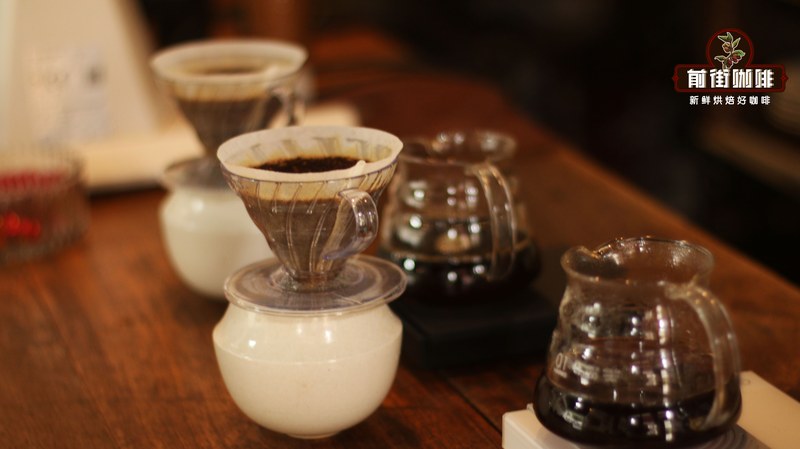
Brewing coffee at home, understanding each bean's flavor characteristics and matching the right water temperature, coffee-to-water ratio and number of pour stages lets the bean's potential be fully released. By finding a suitable brewing plan according to your own equipment habits and taste preferences, you can steadily harvest a cup of good coffee with bright aromas and a comfortable mouthfeel in your kitchen every day.
Related Reading


Comments (0)
Loading comments...
You May Be Interested



Trending Reviews
Popular Videos

With you, wherever you are! We provide useful features to help you find new things you'll love






