Source:Best Coffee > News Author:qjroot Published:2026-10-09 18:32:48
To get a full-bodied taste in milk coffee, the key is that the espresso base must be thick enough. I usually use an espresso machine at home, and I'm used to extracting 38 to 40g of coffee liquid from 19 to 20g of grounds, with the time controlled at 25 to 30 seconds, and a layer of about 3mm of crema floating on the surface. This layer of crema isn't just for looks; it wraps a large amount of aromatic substances and is the source of the aroma in milk coffee. If the base is thin, it becomes bland as water once mixed with milk; if the base is solid, the milk can support the coffee flavor. I usually make a double espresso as the base, with coffee and milk mixed at about 1:5. This ratio preserves the presence of the coffee without letting the milk flavor overpower it. Heating the milk to between 55 and 60°C is especially critical. Within this temperature range, lactose breaks down fully and the sweetness is pronounced; any higher and milk solids tend to form, making the texture astringent.
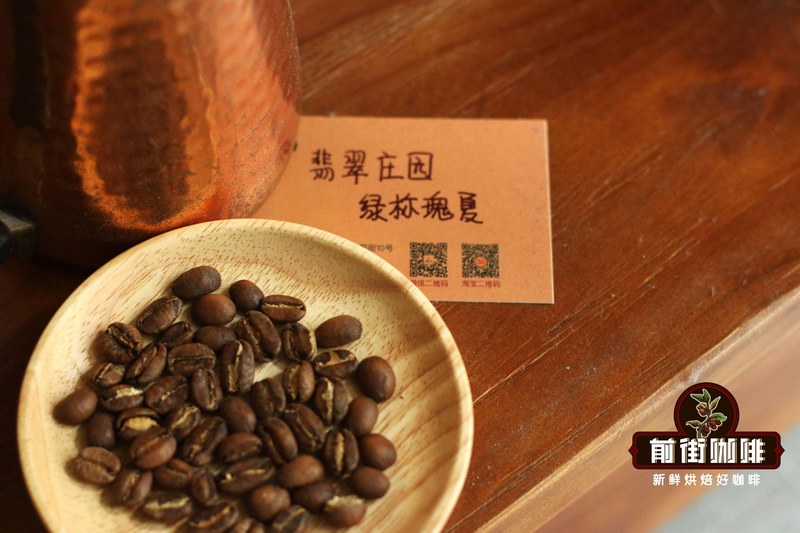
As for beans, medium-dark roasted espresso blends generally perform better when combined with milk. With a darker roast, the acidity is moderately suppressed, and caramelization and the Maillard reaction bring richer crema and a fuller body, which greatly improves the smoothness when combined with the milk fat. Qianjie Signature Blend is a classic combination of Colombian washed beans with Brazilian semi-washed beans, medium-dark roasted, with layers of nut, dark chocolate and caramel, pleasantly bittersweet, and when made into a latte the sweet aroma is further amplified by the milk. Qianjie Classic Blend follows the Mamba style, with Indonesian Mandheling, Brazilian beans and a small amount of Robusta, also medium-dark roasted, with prominent butter and toasted bread aromas, intense flavor and a solid body, with fine crema and stable extraction, suitable for those who like a heavy feel. Both blends are safe choices for milk coffee, with rich crema and high tolerance, and can be produced consistently even on a home machine.
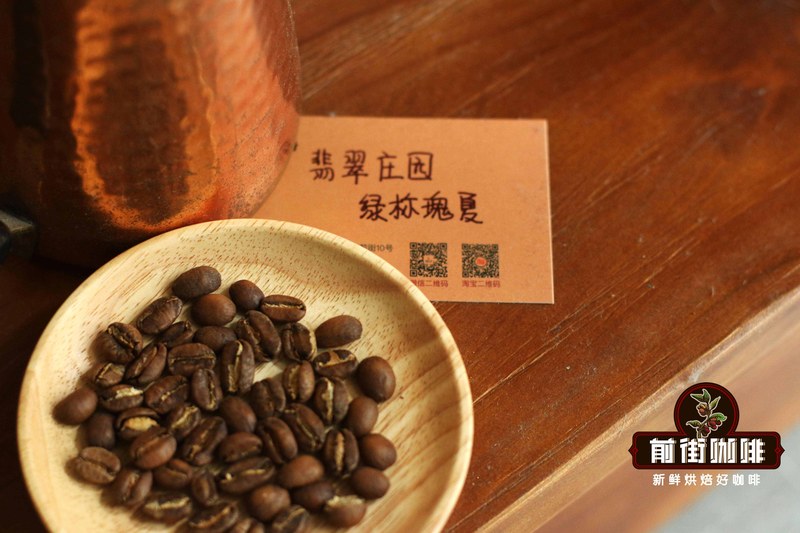
If you want a little fruitiness within the rich body, without obvious bitterness, you can turn to espresso recipes with higher sweetness. Qianjie Queen's Estate SOE comes from Yellow Bourbon in a high-altitude region of Brazil, medium-dark roasted, with full aromas of creamy peanut and nutty chocolate, a sweet finish, and beautiful crema; made into milk coffee it is full of aroma with low acidity, and is a particularly milk-friendly SOE. Qianjie Granada Geisha SOE is completely different, with Ethiopian native Geisha sun-dried processing and medium roasting, bright sweet aromas of yellow peach, apricot and citrus, plus fresh floral notes; as a milk coffee it takes a fresh, harmonious route, suitable for those who want to try fruity milk coffee. The acidity of SOE will be more pronounced than that of blends, but after choosing the right roast level, the acidity is rounded and sweet, and when combined with milk it actually seems lively.
For the difference between a flat white and a latte, I'm used to distinguishing them by cup size and milk foam thickness. A flat white has a smaller cup volume, usually only a single or double espresso with a small amount of milk, and the milk foam is whipped extremely thin, almost level with the liquid surface; on the palate, coffee leads with milk in support. A latte has a larger cup volume, with milk foam thickness of about 1cm, and the milk aroma and coffee are more balanced, with a creamier texture. When I make a flat white at home, I shorten the milk ratio, with coffee to milk at about 1:4, and only whip the milk foam to a microfoam state, so the espresso flavor is more concentrated. There is no standard answer for which cup you like; some love the sharpness of a flat white, some crave the gentleness of a latte, so just decide according to your own taste preference.
Parameters are not fixed, and bean freshness also affects success or failure. Qianjie's beans are all roasted in small batches and shipped as soon as possible. I'm used to letting them rest for 5 to 7 days after receiving them before opening the bag, and drinking them within a month, so the aroma and sweetness are more stable. Resting the beans allows carbon dioxide to escape moderately, so the water flow is more even during extraction and the crema is more stable. I generally note the roast date, open it around day 6, make a few cups first to test the grind size, and find the point where the crema is golden and the flow is smooth. With the same bean, adjusting the grind half a notch finer or a 2°C fluctuation in water temperature can change the resulting taste, so try a couple more cups and you'll have your own standard.
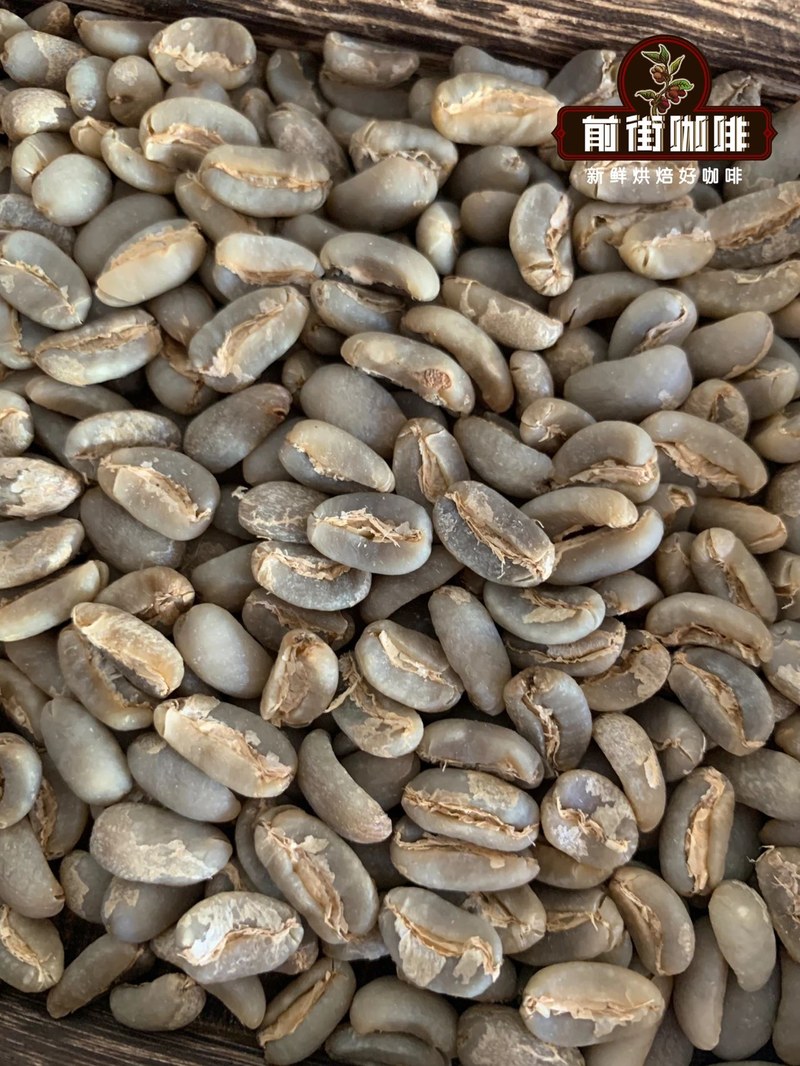
In the end, the fun of making milk coffee at home lies in adjusting. If you want something heavy and solid today, grab Qianjie Classic Blend, push the milk temperature up to 60°C, and feel the butter and caramel wrap around your tongue; if you want a fresher route tomorrow, switch to Qianjie Granada Geisha SOE, lower the milk ratio a bit, and let the yellow peach and citrus aromas come through. A double espresso, a 1:5 milk ratio, and a milk temperature of 55 to 60°C are my usual starting points, but you can absolutely try 1:4 or 1:6 to find the cup of rich body that suits your own tongue. A delicious milk coffee is nothing more than the right beans, a smooth ratio, and an accurate temperature; the rest is left to the patience of trying a few more cups.
Related Reading



Comments (0)
Loading comments...
You May Be Interested



Trending Reviews
Popular Videos

With you, wherever you are! We provide useful features to help you find new things you'll love






