Source:Best Coffee > News Author:qjroot Published:2025-05-03 13:01:29
Ethiopia in Africa is not only the birthplace of coffee but also a treasure trove of coffee genetics. Among the countless coffee tree species born in Ethiopia, just two varieties, Typica and Bourbon, spread their branches throughout the world and built today's thriving global specialty coffee industry.
What are the characteristics of Ethiopian coffee culture?
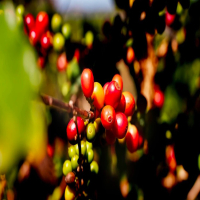
Located in eastern Africa, Ethiopia sits firmly in the tropics, yet it also lies on a high plateau, so the climate in most areas is mild year-round. Its people rely mainly on farming and herding, and coffee is one of the most important cash crops. Legend has it that on the Ethiopian highlands in Africa, a shepherd named Kaldi was grazing his flock when he happened to notice that his goats had become extraordinarily excited after eating some wild red berries. Curious, he picked some and took them home to taste. After eating them he felt clear-headed and especially energized, so he shared them with the villagers. As the news spread, coffee beans reached the Arabian Peninsula, planting and trade gradually developed, and coffee beans began a global journey lasting hundreds of years.

Although the story is just a story, Ethiopians have indeed had a tradition of drinking coffee since ancient times, and only a cup of rich, fragrant coffee in the morning can start a refreshing day. In every corner of the villages, the air is forever filled with the aroma of coffee. Here, the Ethiopian people have preserved coffee's most original purity very well: they use an iron pestle to grind charcoal-roasted coffee beans into powder, put it into a coffee pot, and as the boiled coffee slowly releases its unique aroma, spices, sugar and other ingredients are also added along the way for seasoning, and finally it is tasted together with traditional bread.
Ethiopians have a coffee ceremony with a very long history: first the green coffee beans are roasted until done on a flat iron pan, then crushed with a pestle and mortar, then placed into a clay pot called a "Jebena" with water and boiled. When the hot water mixed with coffee grounds comes to a boil, it means the coffee is ready to be tasted. The coffee ceremony is divided into three rounds. The first cup drunk is Abol, and at this point an elder should say a blessing; the second cup is Tona, when everyone begins to chat about everyday matters; the third cup, Beraka, symbolizes joy, and only after drinking this cup does the ceremony truly end.

In the Ethiopian language, coffee is "bunn" or "buna", and the origin of coffee is Kaffa, so coffee is sometimes called "Kaffa bunn". In addition, the word "coffee bean" is generally considered to be an anglicization of "Kaffa bunn"; the English word coffee comes from the Ethiopian place name Kaffa.
What coffee varieties does Ethiopia have?
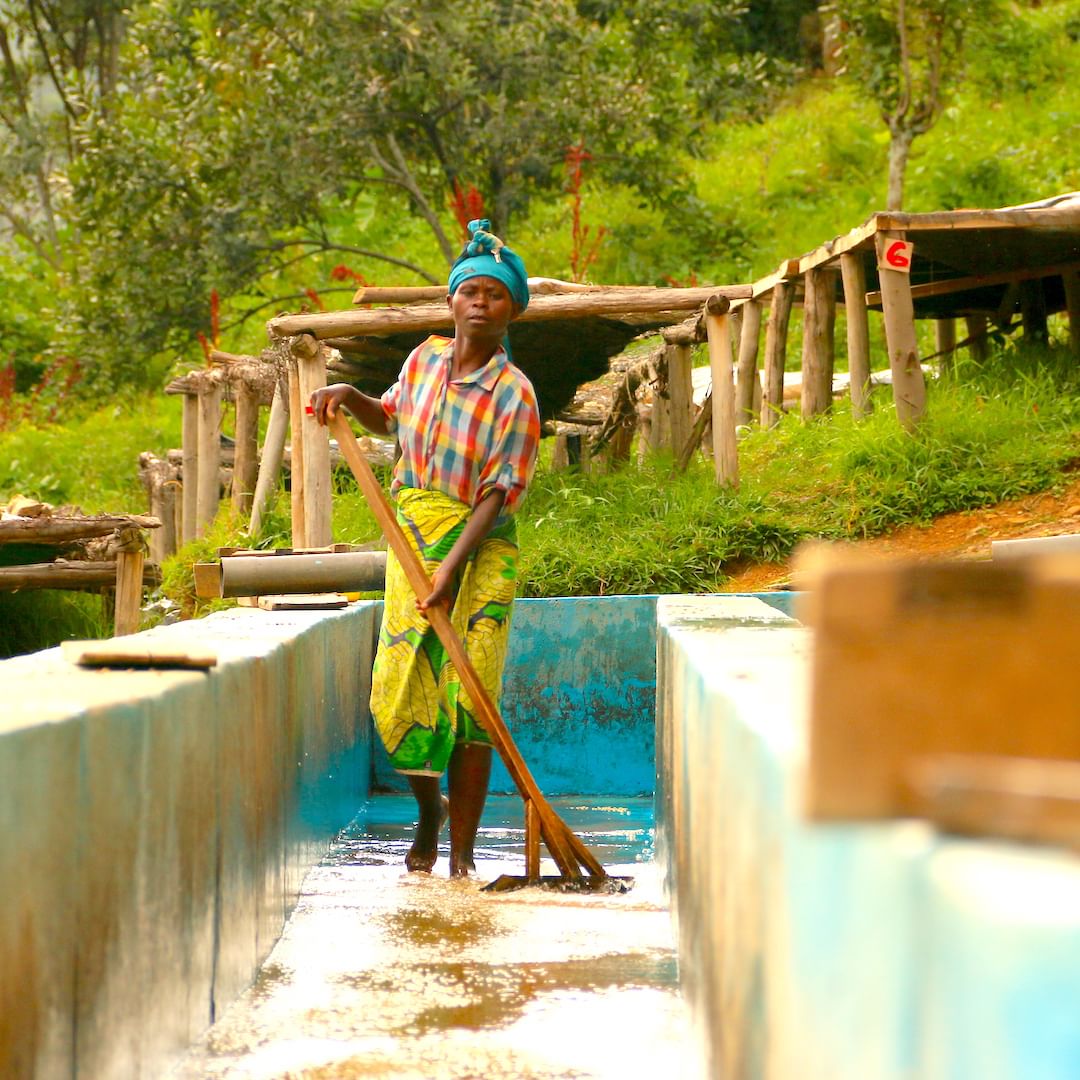
Coffee cultivation in Ethiopia is mainly in the western and southern regions, and more than about half of it belongs to the smallholder farming model, also called garden coffee, which is also Ethiopia's main production method. It is understood that nearly 1.2 million households locally make a living from coffee cultivation, with each household's planted area no less than 4 hectares. So-called garden coffee means farmers manage coffee trees mixed with other cash crops in their own backyards, usually planted together with banana trees, so every household's front and back yards form a unique green landscape.

Because smallholder farmers produce very little coffee, there are farmer cooperatives or processing plants of various sizes in the area, mainly responsible for processing the green coffee from that region. Every harvest season, farmers pack the fruit from their own coffee trees and deliver it to a nearby processing plant (cooperative) built by a water source for centralized processing, and then it is sold under the name of the processing plant. For example, the Gedeb cooperative coffee beans on Front Street's bean list are made from coffee cherries grown in Yirgacheffe town; farmers deliver them to the town for centralized washed processing, and finally it is produced under the cooperative's name and sold around the world.
The Arabica coffee varieties we see on the market today are all descendants of Typica and Bourbon, obtained through natural genetic changes, artificial genetic changes, and hybridization research. Even so, the Ethiopia region still has a very large wild coffee population waiting for people to study and discover.Because there are so many coffee types, most of the coffee grown by local farmers in Ethiopia is mixed; since it cannot be subdivided, most Ethiopian coffee beans are considered mixed varieties and are collectively called Ethiopian Heirloom.

Even so, as long as the coffee is grown in the same area/region, it can be a single-origin coffee bean (single-origin does not mean a single variety, but a single region). Because of mixed cultivation, the coffee beans produced by each variety's coffee trees differ in size and flavor, so FrontStreet Coffee has noticed that coffee beans from Ethiopia labeled as Ethiopian Heirloom vary in bean size and smell of citrus fruit acidity.
After medium-light roasting, Ethiopian coffee beans have a rich citrus fruit acidity, pleasant sweetness and acidity, and a refreshing mouthfeel, which has also overturned many friends' impressions and understanding of coffee, and is therefore loved by most coffee consumers around the world.

Today Ethiopia's coffee production ranks first in all of Africa and fifth in the world. As a result, Ethiopian coffee beans have also become one of the essential partners for many coffee beginners, because they offer great value for money and lack the bitterness of traditional coffee, making them very popular among newbies.
For this reason, a washed coffee bean from Ethiopia's Yirgacheffe region has become part of FrontStreet Coffee's Region Selection Everyday Bean series. This series of coffee beans focuses on great value for money and small packaging, allowing consumers to experience the unique charm of Ethiopian coffee beans without spending a lot.
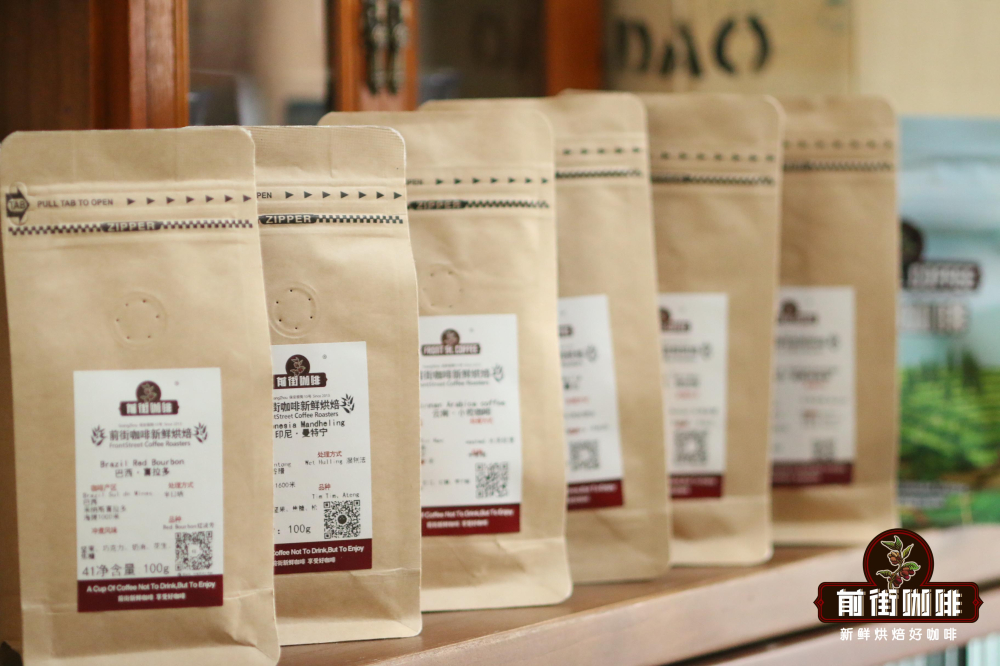
So that everyone can enjoy a richer coffee aroma, FrontStreet Coffee guarantees that all coffee beans are shipped within 5 days of completing roasting, ensuring that the coffee beans you receive are 100% freshly roasted.
Related Reading





Comments (0)
Loading comments...
You May Be Interested


Trending Reviews
Popular Videos

With you, wherever you are! We provide useful features to help you find new things you'll love






