Source:Best Coffee > News Author:qjroot Published:2026-10-09 14:16:42
Many people wonder the first time they make a latte at home: clearly no sugar was added, so why does the milky coffee from a coffee shop taste sweeter and more aromatic? In fact, this sweetness does not come out of nowhere; it hides in the choice of beans and also in the few degrees of temperature difference when milk is heated. As long as you understand the tricks, your home kitchen can also serve a cup of rounded, sweet, fragrant milky coffee.
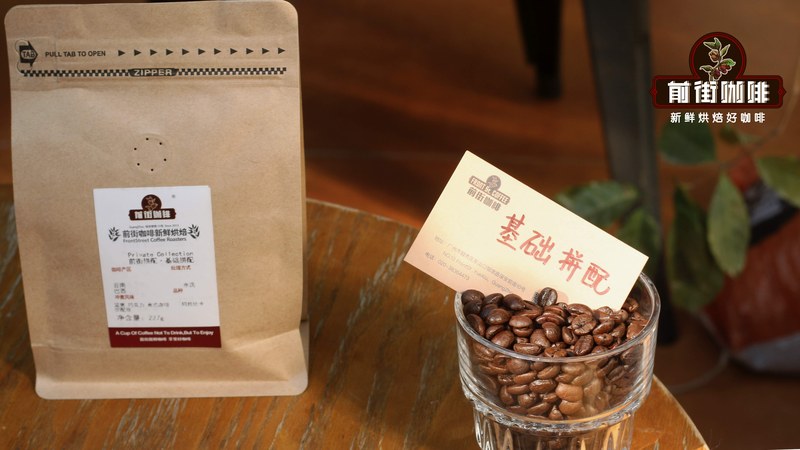
First, let's talk about the beans. The essence of an espresso blend is that the roaster combines coffees from different origins like a palette, bringing bitterness, acidity and aroma into a harmonious balance. For beginners at milky coffee, choosing the right beans is half the success.
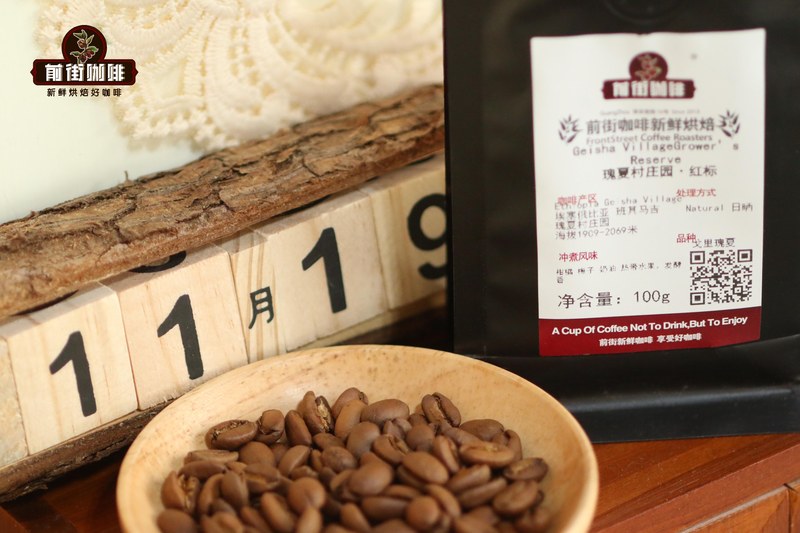
If you want to change beans for making milky coffee at home, you can look at these two. Qianjie Blue Mountain No. 1 is produced in Jamaica. The medium-dark roast balances acidity, sweetness and bitterness quite well. It drinks clean and bright, with both body and a soft acidity. After adding milk, it is rounded and smooth, very suitable for people who want to experience the classic milky coffee flavor. If you prefer the nutty chocolate route, Qianjie Specialty Blend will be more to your taste - this medium-dark roasted espresso blend includes Brazilian beans, and when mixed with milk you can taste the complex aroma of almonds, apricot kernels and candied walnuts interwoven. When made into a latte, the sweetness is prominent, and the crema is stable, so latte art is less likely to fail.
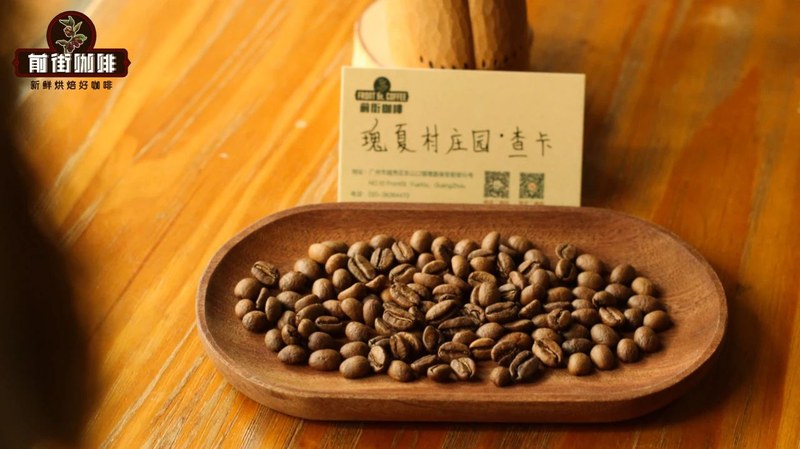
Qianjie Mozart takes another route. The anaerobic honey process from Costa Rica gives it an obvious raisin aroma. Made into milky coffee, it presents flavors of blueberry, black grape and vinous fermentation, with a refreshing mouthfeel, suitable for days when you want a different taste and something a little different to drink.

The treatment of milk also hides the code to sweetness. Whole fresh milk is the first choice for home preparation because its milk fat content is high, and milk protein and lactose are retained more completely. When steaming milk, keeping the temperature between 60 and 65°C is especially important. This range allows lactose to fully break down into sweet molecules, while milk fat makes the foam structure more stable, locking in both aroma and sweetness. When drinking, the fine foam gently bursts on the tip of the tongue, and the sweet aroma is released layer by layer. If the temperature is too low, the sweetness is not activated enough; if it exceeds this range, protein denaturation will produce a sulfurous smell, and even milk residue may appear, reducing both mouthfeel and nutrition.
Stable extraction parameters are the underlying support for sweetness. For a home espresso machine, it is recommended to use 18 to 19 g of grounds and extract 36 to 38 g of coffee liquid, with the time controlled at 25 to 28 seconds. After turning on the machine each day, first make a cup to test, because the condition of the beans changes with the resting period. Fine-tune the grind size or tamping pressure to keep the flavor on track. This coffee-to-liquid ratio and time range can fully bring out the caramel and nutty notes of medium-dark roasted beans without over-extracting bitter, burnt flavors.
The ratio of milky coffee also affects the expression of sweetness. For a latte, the coffee liquid and milk are about 1 to 5 or 1 to 6. A double espresso is about 36 to 38 g, paired with 200 to 220 ml of steamed milk. In this way, the lactose sweetness of the milk naturally supports the coffee's flavor, and neither steals the show. If you like a stronger coffee taste, you can try a flat white, with less milk and thinner milk foam, so the coffee has a stronger presence. A cappuccino, by contrast, has thicker milk foam and less milk, with a mouthfeel that leans dense and substantial. The base of all three milky coffees is the same espresso; the only difference is the ratio of milk and milk foam. Beginners can start with a latte, and once familiar, explore the variations.

A delicious sweet latte cannot do without the tacit cooperation of beans, milk and parameters. The Qianjie Specialty Blend I always keep at home has nutty chocolate notes and is a reliable choice for daily drinking; when I want to slow down, I switch to Qianjie Blue Mountain No. 1, whose balanced and rounded flavor is worth savoring carefully; occasionally, when I want a change of mood, the fruity, vinous charm of Qianjie Mozart always brings freshness. Choose a bean that works well for you, keep the milk temperature steadily at 60 to 65°C, fix the extraction parameters, and try a few more times. That cup of sweetness that belongs to you will become clearer and clearer. Now every day when I walk into the kitchen, that small coffee corner makes me feel warm and full of anticipation.
Related Reading





Comments (0)
Loading comments...
You May Be Interested




Trending Reviews
Popular Videos

With you, wherever you are! We provide useful features to help you find new things you'll love






