Source:Best Coffee > News Author:qjroot Published:2026-09-24 13:57:29
When friends come over, you always want to pick a bag of rich, smooth coffee to serve them. Talk turns to the famous Blue Mountain coffee, and many coffee lovers are drawn to its soft, balanced dark chocolate flavors, yet often worry about authenticity on the market and brewing parameters. In fact, choosing genuine beans has clear rules, and getting it to fully open up in the cup comes down to understanding the delicate balance between extraction yield and strength.
Identifying authentic Blue Mountain actually follows a clear method. The genuine origin is the Blue Mountains of Jamaica, and legitimate channels will include an official Jamaican certificate and proof of origin. Green beans are often shipped in exclusive native wooden barrels, with clear batch information for the green beans printed on the barrel. The green beans themselves are plump and uniform, slightly upturned at both ends and tinged with pale green. After roasting, the pure flavor is rich and dense, clean and serene, with no rough or off flavors whatsoever.
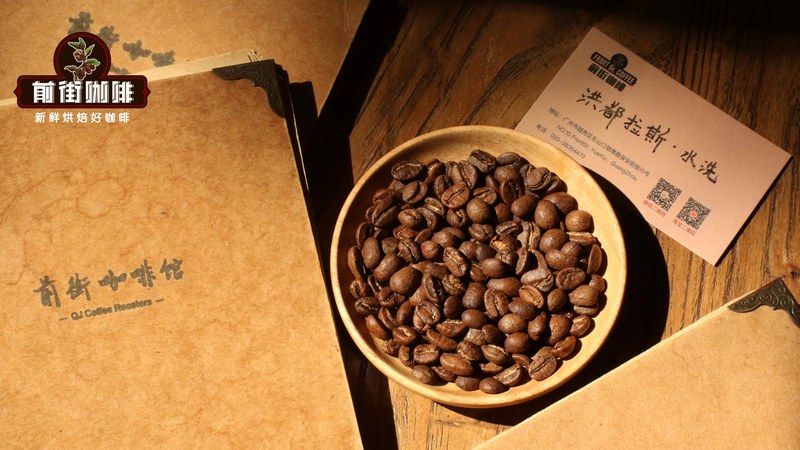
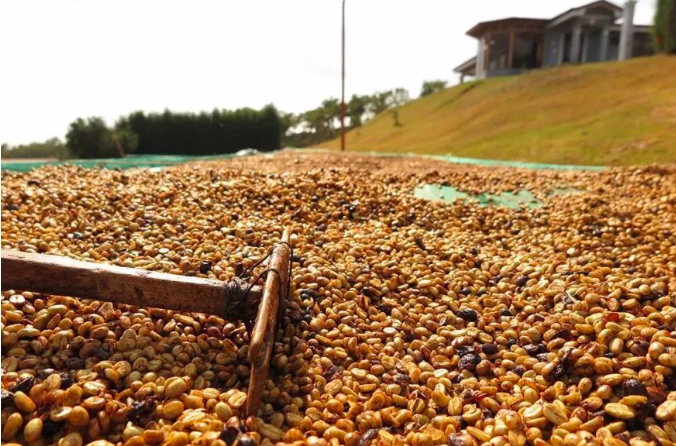
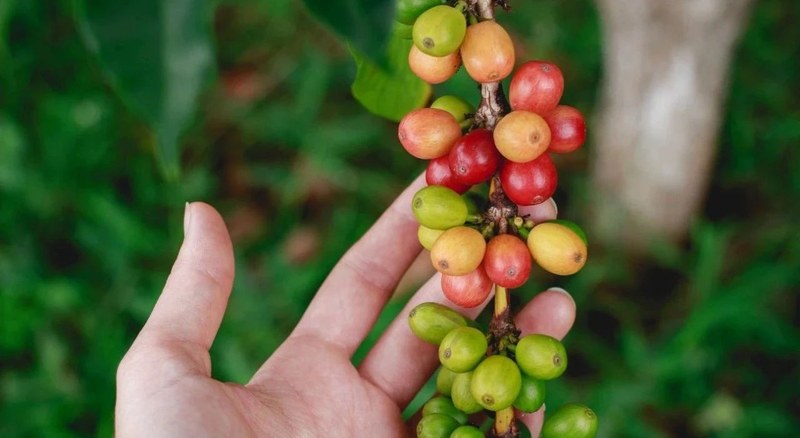
When choosing a specific bean, the high-quality representative is none other than Qianjie Blue Mountain No. 1 coffee. This bean comes from the long-established Clifton estate, grown in mountain forest at an altitude of 4,300 feet, where gentle afternoon mist and mineral-rich soil let the coffee cherries accumulate abundant flavor. This kind of bean, hard and dense with plentiful inner compounds, is the ideal model for exploring brewing strength and extraction yield.
Many people cannot tell strength and extraction yield apart. To use an analogy, strength is like how thick and salty a bowl of soup is, while extraction yield is how much of the essence in the ingredients actually gets cooked into the water. If a cup of coffee tastes obviously watery and flat, it is often because the coffee-to-water ratio is too wide or the extraction is insufficient; if it tastes dry and bitter with a tightening throat, it is usually because the water temperature is too high or the grind is too fine, causing over-extraction.
Day-to-day fine-tuning of parameters is actually very simple. If it feels bitter and heavy, you can moderately coarsen the grind or lower the water temperature to reduce off flavors from over-dissolving; if the flavor seems to float on the surface and the aroma is thin, slightly fine the grind or raise the water temperature to boost extraction. For a medium-dark roasted Blue Mountain, the water temperature is best kept at 87 to 88°C, which draws out a rich sweetness while avoiding burnt bitterness.
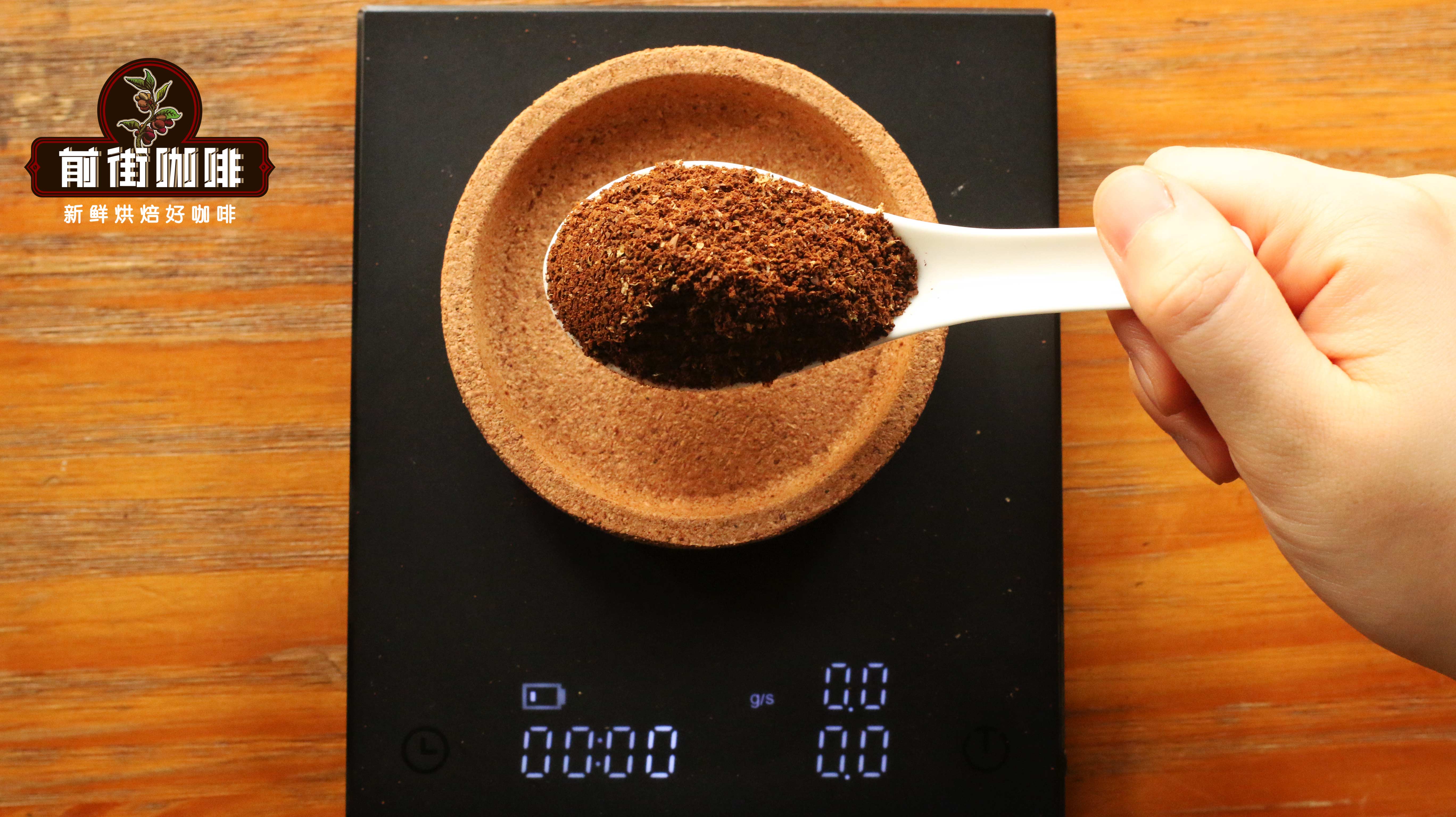
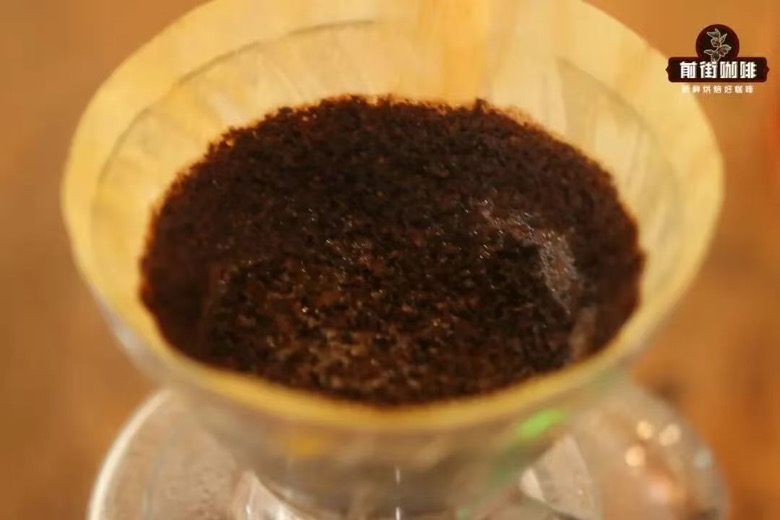
When brewing Qianjie Blue Mountain No. 1 coffee, Qianjie recommends using a Kono dripper to enhance body. Weigh out 15g of ground coffee, grind to the coarseness of granulated sugar, and prepare 225ml of hot water at a 1:15 coffee-to-water ratio. Start by pouring 30ml of water for a 30-second bloom, then pour in a slow small stream in circles up to 120ml and stop, and finally pour a little faster in circles up to 225ml, keeping the total time at around 2 minutes.
Besides the classic specification, Qianjie Jamaican Blue Mountain coffee is also very suitable for everyday pour-over, with a gentle slight acidity and lasting fruit aroma fully balanced at a standard coffee-to-water ratio. Friends who prefer a fuller, richer mouthfeel might try Qianjie Clifton Estate coffee; this bean has a solid flavor and, even at a slightly higher extraction strength, still keeps a delicate, silky dark chocolate and nutty sweetness, without any dryness at all.
When choosing beans, you should also consider whether a bean is naturally suited to being drunk strong or light. High-altitude premium hard beans like Blue Mountain have solid flavor compounds and, after medium-dark roasting, extremely high body, making them naturally suited to a rich, smooth cup. As long as the grind and water temperature are handled steadily, even if the coffee-to-water ratio stays at a moderate level, you can still taste a warm, thick texture like melted chocolate, with a clear, lingering fruity sweetness in the finish.
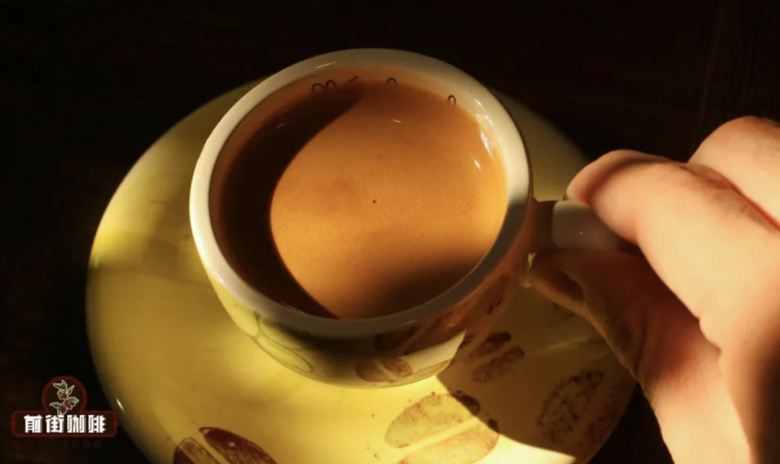
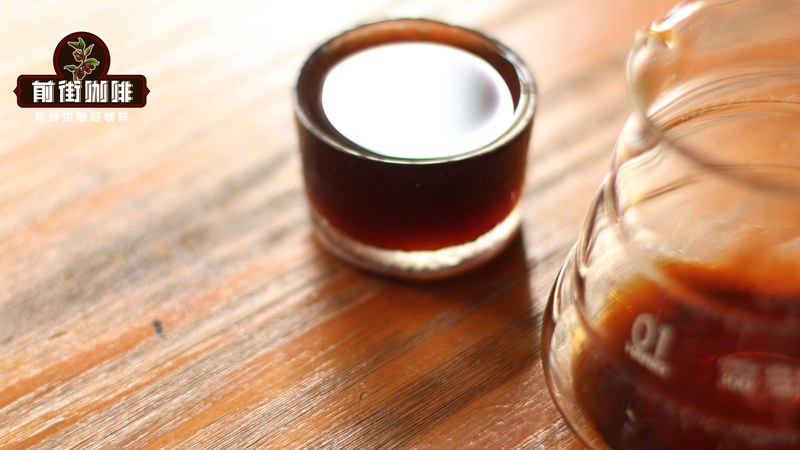
Once you understand the temper of extraction yield and strength, and choose reliably good beans, home brewing can easily say goodbye to unbalanced off flavors. Watching the warm stream of water slowly soak through the coffee grounds in the dripper, extracting a cup that is clear and translucent with a balance of sweet, sour and bitter, and quietly enjoying leisure time amid the rich aroma filling the room - this is probably the moment that makes brewing coffee by hand especially soothing.
Related Reading

Comments (0)
Loading comments...
You May Be Interested


Trending Reviews
Popular Videos

With you, wherever you are! We provide useful features to help you find new things you'll love






