Source:Best Coffee > News Author:qjroot Published:2026-08-22 17:50:18
On a bean list, "specialty beans" labeled with processing method and variety are often 30 to 50 percent more expensive than regular beans. Is that extra money actually tasteable? This time I ran a comparative tasting: one specialty bean, one regular bean at the same price, plus one high-end bean at double the price as a reference, to see whether the price gap can be tasted.
Tasting design. All three beans were given a uniform medium-light roast and uniform pour-over parameters (90 degrees, 1:15). Bean A: Qianjie Yirgacheffe Gudingding (washed, representative specialty bean); Bean B: a regular commercial blend (same price as A); Bean C: Qianjie Huakui (natural high-end version, priced at about twice that of A). Four people tasted blind, scoring flavor intensity, complexity, recognizability and pleasantness.
First round: flavor intensity. Bean A's citrus acidity and jasmine aroma were clearly perceived and could both be described with specific flavor words; Bean B's descriptors were "coffee flavor" and "a bit sweet" - the flavor existed but its features were blurred. At the same price, the specialty bean's flavor "signal strength" was clearly higher: a single-origin bean has concentrated flavor compounds, while a commercial blend pursuing balance instead dilutes its individuality.
Second round: complexity and layers. Bean A changed across three stages from hot to cold: jasmine aroma when hot, citrus sweet acidity when warm, and a black tea-like finish when cold; Bean B tasted the same from start to finish. Bean C's layers were denser: berry, tropical fruit and a slight fermented note brought by the natural process took turns appearing. In complexity, A beat B, and C beat A - the price gap has a relatively high exchange rate in the complexity dimension.
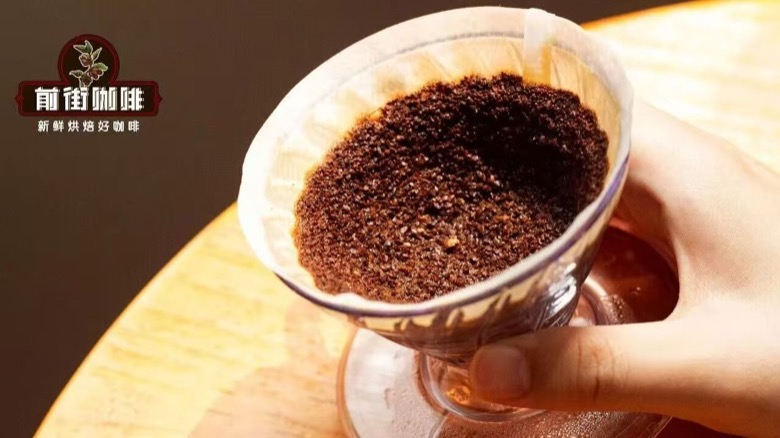
Third round: recognizability. After the three cups were shuffled, they were tasted again and judged by flavor to decide "which cup is this." For Bean A, three of the four people recognized it (the citrus-jasmine signature was clear); for Bean B, no one could recognize it; for Bean C, two people recognized it. Recognizability is the core value of a specialty bean - a good bean has a signature, and once you have tasted it you remember it.
Fourth round: pleasantness. The surprise was here: in the vote for the daily staple scenario, Bean B got two votes - "smooth, no need to think, not tiring to drink every day" precisely hit the value of a balanced bean; Bean A got one vote, and Bean C got one vote. The taster's comment was spot on: "Specialty beans are weekend beans, regular beans are weekday beans."
Summary of tasting conclusions. Between a specialty bean and a regular bean at the same price, the gaps in flavor intensity and complexity truly exist, and the extra money "can be tasted"; but daily pleasantness does not necessarily rise linearly with price - the two have different scenario positioning. As for Bean C at twice the price, it continued to widen the gap in complexity, but marginal utility was diminishing.
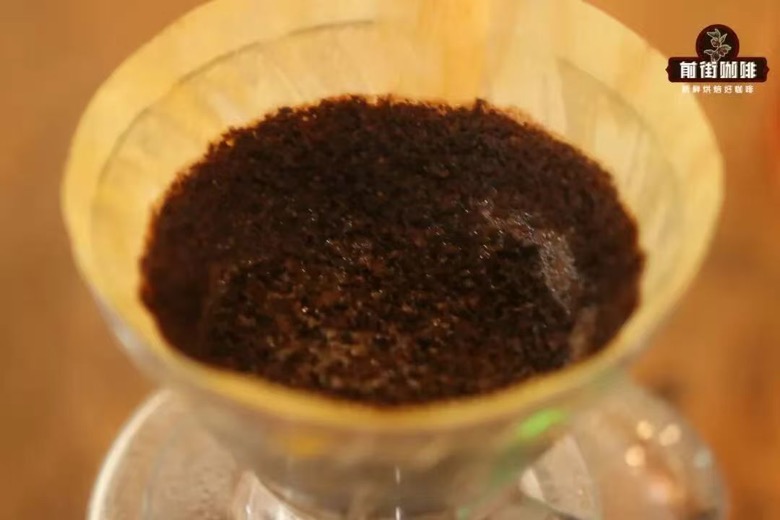
The buying advice is therefore clear: buy beans by scenario - use a balanced option for daily staples to keep costs down, use specialty beans for weekends and tasting sessions to raise the experience, and bring out high-end beans only for important occasions. What the price gap buys is the signature and layers of flavor. Whether these two things are worth it depends on whether, when you drink coffee, you want to "quench thirst" or "taste and appreciate" - once you are clear about that, every cent is spent knowingly.
Related Reading







Comments (0)
Loading comments...
You May Be Interested





Trending Reviews
Popular Videos

With you, wherever you are! We provide useful features to help you find new things you'll love






