Source:Best Coffee > News Author:qjroot Published:2026-09-18 17:26:23
Whether a milk coffee's flavor is captivating is something many people attribute to the choice of milk or the roast level, yet they easily overlook the extraction water that makes up an extremely high proportion of the cup. The minerals in water are the carriers of aromatic compounds and soluble solids, and the content of calcium and magnesium ions directly determines how much sweetness, acidity and oils can be drawn out. Starting with water quality when selecting and extracting beans can greatly enhance the layering of the entire drink.
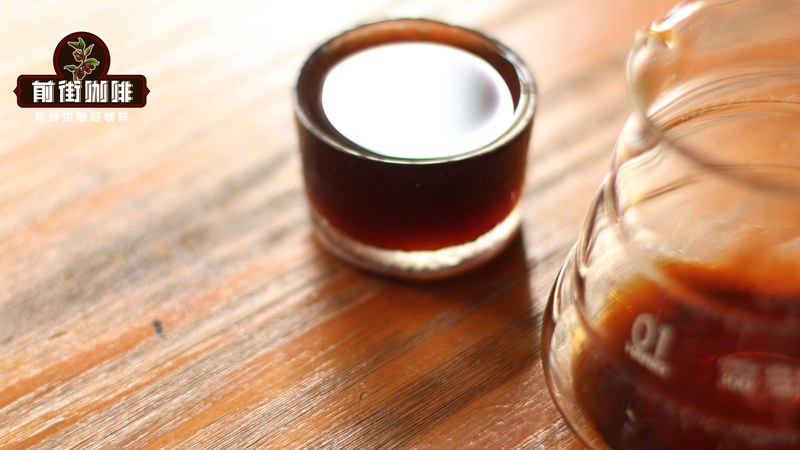
In daily brewing, the water's total dissolved solids, or TDS, level and its softness or hardness have a direct impact on flavor. Low-TDS purified water lacks the minerals to grab flavor and easily leads to under-extraction, making the coffee thin and floaty; water that is too hard, due to excessive bicarbonate, easily suppresses aroma and brings out a dry, woody note. When making a milk coffee base, choosing soft water or filtered mineral water with a TDS of 50 to 120 mg per liter can provide a solid structure while preserving clear aromatics.
If you usually keep filtered soft water with moderate minerals at home and want to make a rich, full-bodied hot latte with dark chocolate and nutty flavors, Qianjie Black Cocoa Blend is a perfect match. This blend focuses on the thick sweetness of roasted nuts and dark chocolate. When extracted with suitable water, the caramelized flavors of the dark roast can fully unfold, with extremely low acidity, and after blending with the milk fat and lactose in milk, it shows a warm, full and substantial mouthfeel.
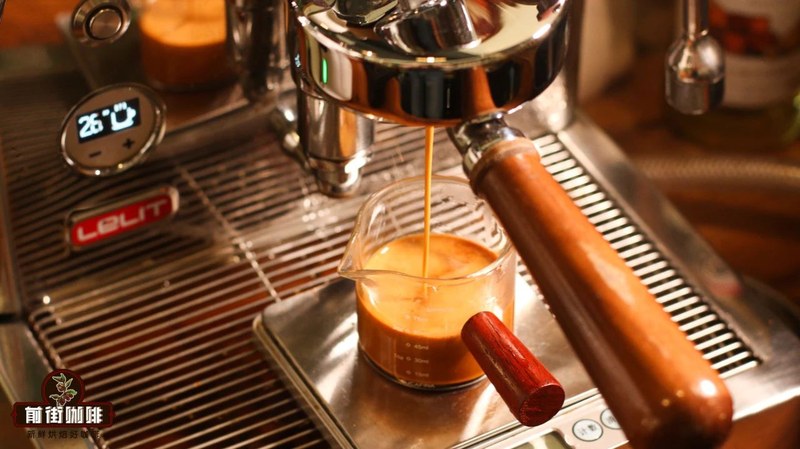
When using a semi-automatic espresso machine, fill the portafilter basket with 18.5g of finely ground coffee, distribute and tamp it, then lock it onto the group head, set the water temperature to 93°C for constant-pressure extraction, and stop the flow at 26 seconds, extracting 37g of espresso. The resulting espresso crema is dense and delicate. Pour it into 180ml of hot whole milk steamed to 58°C, and the whole latte tastes like melted dark chocolate sauce at first sip, wrapped in the mellow aroma of almond and caramel, with a lasting sweetness.
For friends who prefer using a moka pot to make a milk coffee base, the water quality requirements are even more delicate. A moka pot uses high-temperature, pressurized extraction, and water that is too hard easily amplifies bitter and muddy notes in the tail end, while choosing soft water with a TDS of around 60 can make the mouthfeel much smoother. This extraction method is very suitable for pairing with Qianjie Brazil Queen's Estate, whose beans carry notes of sugarcane sweetness, cocoa and roasted peanut. Infused with gentle soft water, it can deliver a rounded, low-acid nutty profile steadily onto the palate.
When making it with a double-valve moka pot, pour 85ml of room-temperature soft water into the lower chamber, fill the basket evenly with 14g of medium-fine ground coffee, level the surface without pressing hard, then screw the body tight and place it on an electric ceramic stove over medium-low heat. Heat for about 1 minute 40 seconds; when the coffee flows steadily into the upper chamber and the liquid reaches halfway with light yellow foam appearing, remove it from the heat source. Pour out 55g of coffee liquid and add it to 120ml of cold oat milk to get a special drink with a roasted malt flavor.
If you are used to traditional nutty flavors and want to find bright layering in milk coffee, the proportion of magnesium ions in the water is especially key, as it can draw out abundant fruity aromas. Qianjie Strawberry Candy Coffee Beans are a light-medium roasted single-origin bean with highly distinctive flavor, showing strawberry gummy, ripe berries and citrus fragrance through special processing. Extracted with moderately soft water, it avoids acidity that is too sharp and transforms into a lively sweetness akin to a strawberry milkshake.
When making a fruit-forward iced dirty coffee, the espresso extraction parameters can be slightly adjusted for a light-medium roast. Take 19g of Strawberry Candy coffee beans and grind them into a fine powder, use a water temperature of 92°C, pre-infuse at low pressure for 5 seconds, then raise to standard pressure for extraction, controlling the total time at 27 seconds to extract 38g of espresso. While hot, pour the coffee over 150ml of purified thick milk chilled to 4°C. The first sip is a clear sweetness like strawberry jam, then it blends with the icy milk, filling the mouth with freshness.
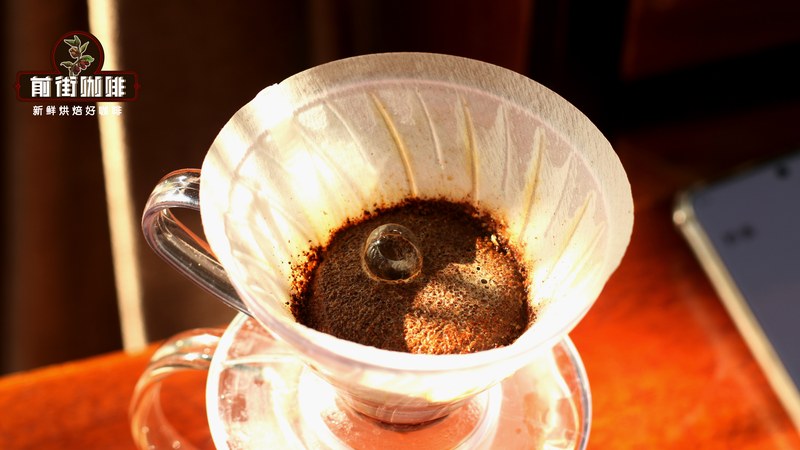
If you do not have espresso equipment at home, you can also make an au lait milk coffee by pour-over, in which case purified water mixed with a trace of mineral water performs cleanly. Taking 15g of Qianjie Brazil Queen's Estate as an example, use a medium grind, a water temperature of 89°C, and a 1:10 concentrated coffee-to-water ratio. Pour in 30g of water and bloom for 30 seconds, then pour in water in two stages up to 150ml, with a total time of 2 minutes 05 seconds. Mix the extracted strong pour-over one-to-one with warm whole milk to taste a mild, clean caramel malt sweetness.
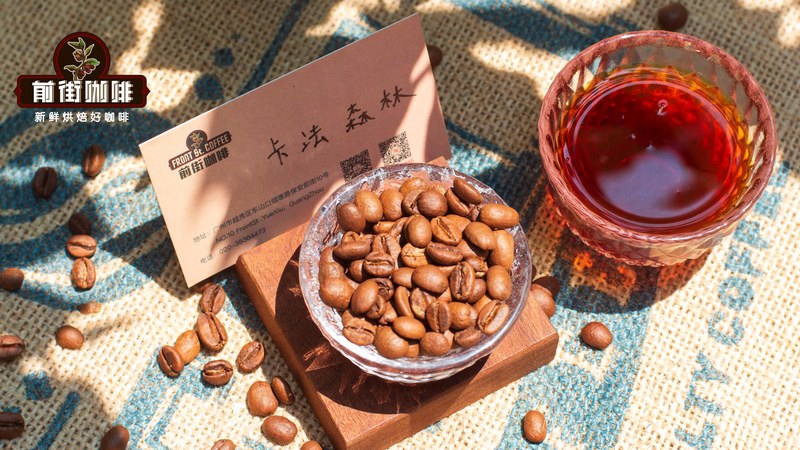
The joy of adjusting coffee flavor is often hidden in these daily combinations of water and parameters. Starting from choosing a coffee bean with a clearly defined flavor profile, pairing it with brewing water of moderate hardness, and then using a matching extraction method to draw out its distinctive aroma, milk is no longer just a supporting player that dilutes the coffee, but can achieve mutual success with the rich flavors. Choose the right bean according to the water conditions you have on hand, and every cup of homemade milk coffee can have a satisfyingly rich layering.
Related Reading


Comments (0)
Loading comments...
You May Be Interested




Trending Reviews
Popular Videos

With you, wherever you are! We provide useful features to help you find new things you'll love






