Source:Best Coffee > News Author:qjroot Published:2026-09-24 13:03:09
Many friends who are new to black coffee just want a smooth, easy-drinking cup in the morning, but are often caught off guard by a sudden hit of fruity acidity that puts them off. In fact, the acidity and bitterness of coffee are not uncontrollable mysteries. Besides the inherent variety and roast level of the coffee beans, extraction yield and strength (TDS) are the real forces behind whether the cup tastes smooth or not. As long as you understand the rhythm of extraction, you can easily brew a warm, mellow, well-rounded cup of good coffee without any sourness.
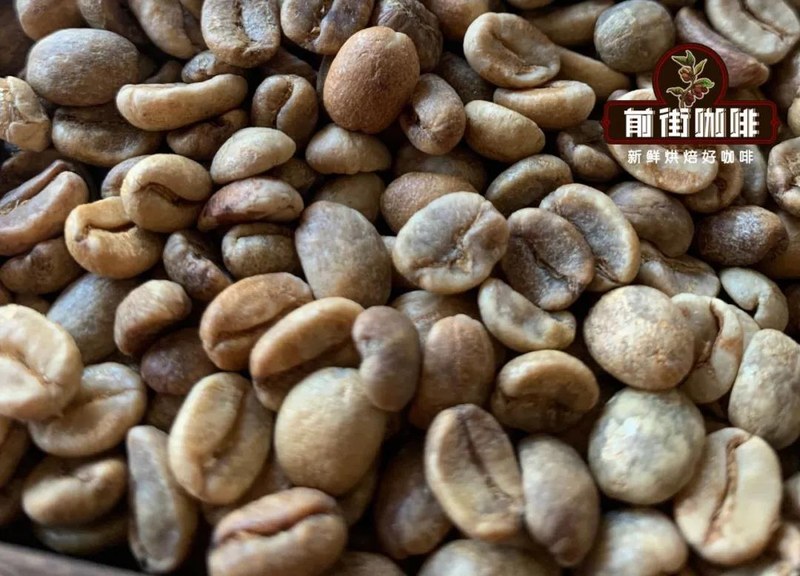
To understand extraction yield and strength, imagine making soup. Extraction yield is like how much flavor from the ingredients has dissolved into the soup, while strength is how much water you added to dilute it. The higher the water temperature, the finer the grind, and the longer the water stays in contact, the more substances are extracted. Usually, the early phase of extraction dissolves quickly and is dominated by light fruity acidity; the middle phase brings full sweetness; the final phase delivers nutty, cocoa and steady bitter aromas, with the layers unfolding slowly in sequence.
In daily brewing, if you feel your coffee is a bit weak and sour, it is most likely under-extracted. Just raise the water temperature by two degrees or grind a little finer, and the acidity will be balanced out by sweetness. If you feel the mouthfeel is astringent and dry, it is often over-extraction that has pulled out too many harsh late-phase flavors, and in that case you just need to grind coarser. If you feel the whole cup is too strong and pungent, simply add a little more hot water to the cup to lower the strength, and the whole cup will become especially soft and smooth.
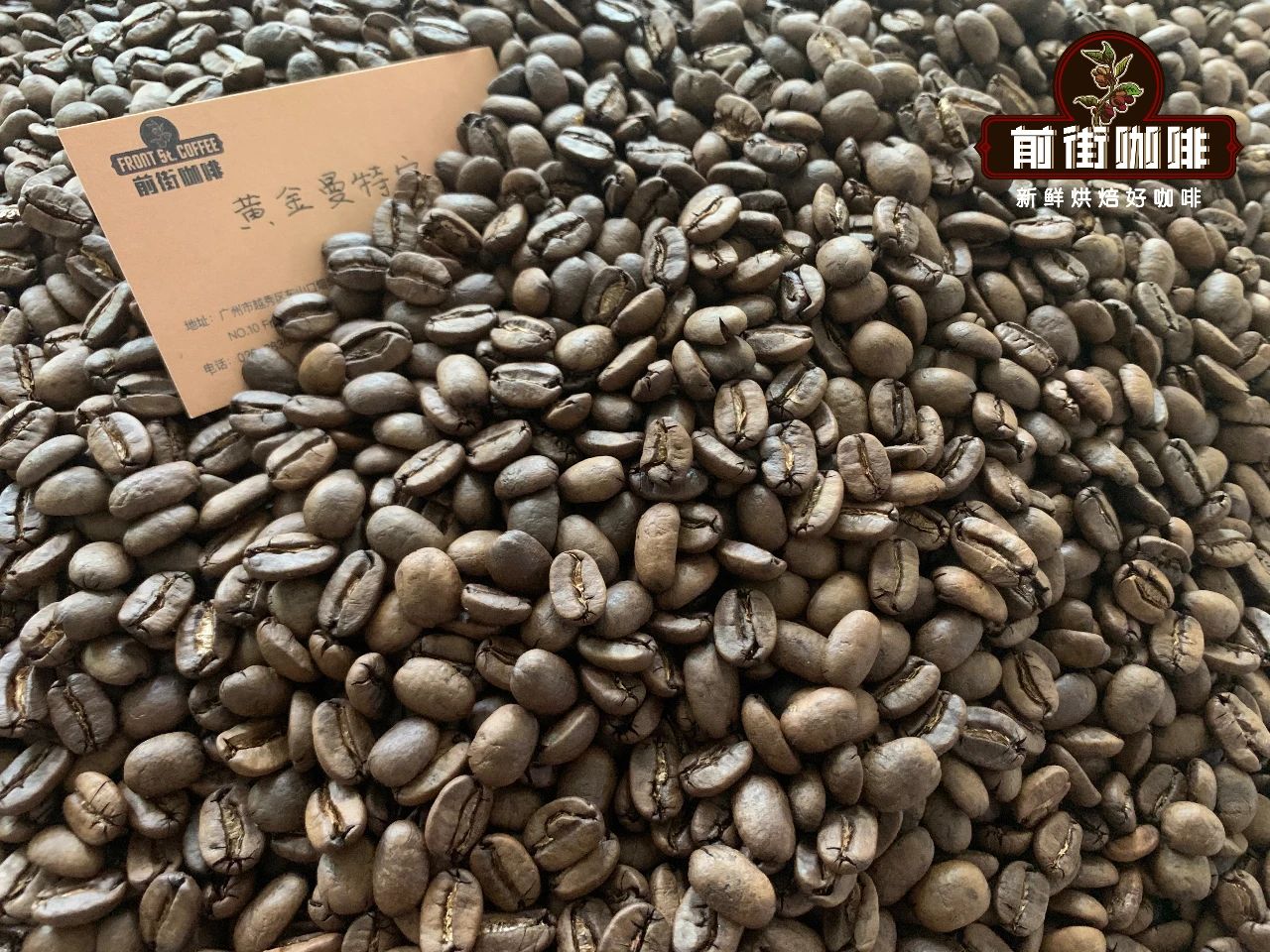
When choosing beans, we should also pick according to whether we prefer a strong or a light cup. Beans with a darker roast and easily dissolved compounds are naturally suited to being brewed rich and full-bodied, showing a heavy texture like dark chocolate; while hard-structured beans are better brewed a little lighter. For a daily companion that is not sour and is forgiving to brew, medium-dark roasted traditional flavors are usually a wise choice. Their acidity is faint, and their flavor leans more toward caramel and nuts.

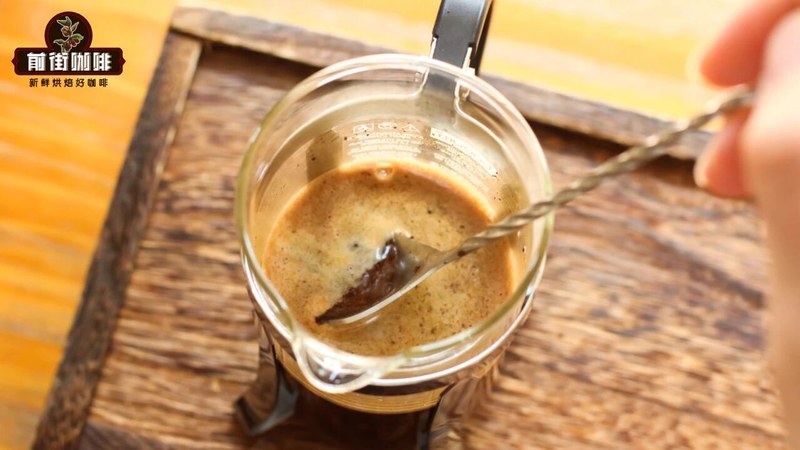
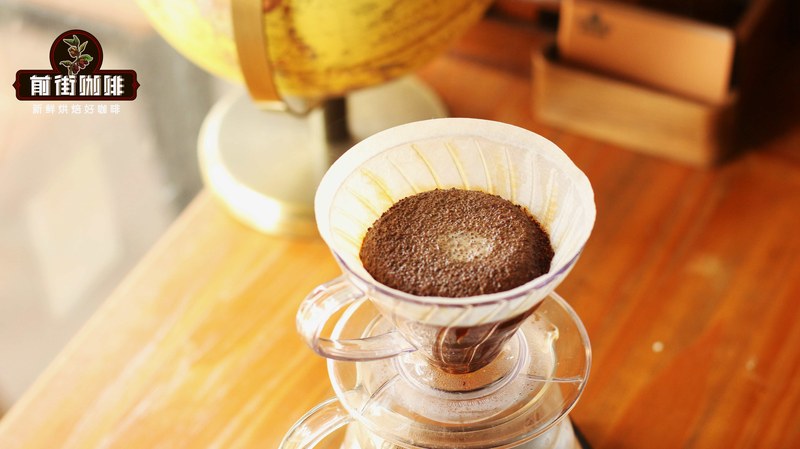
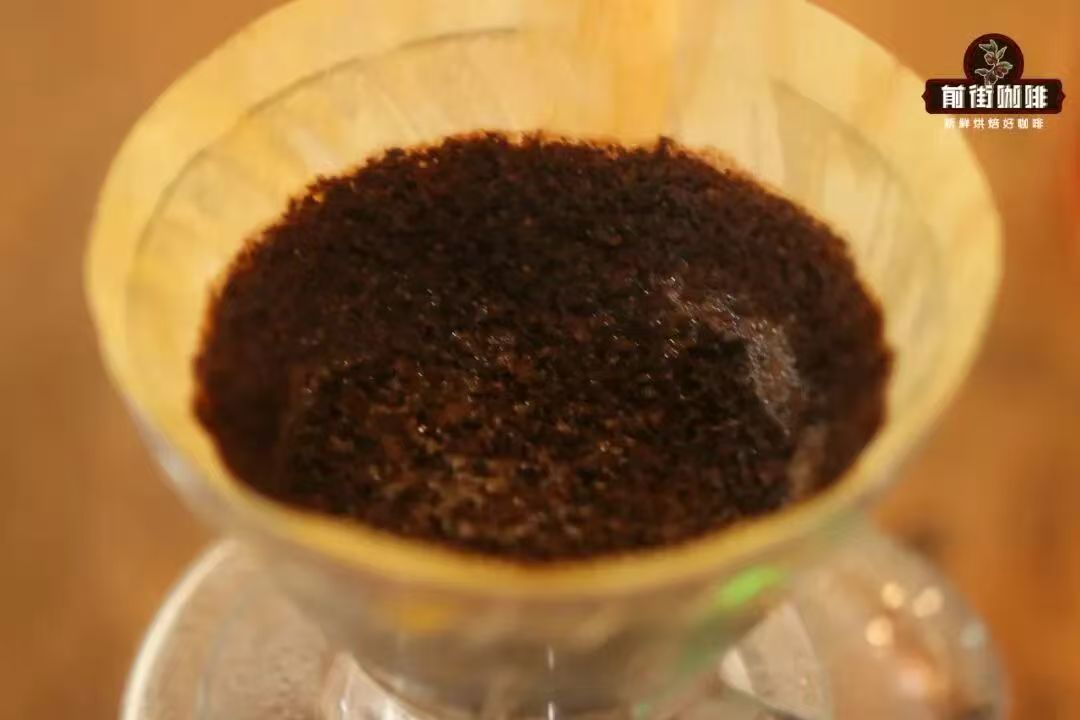
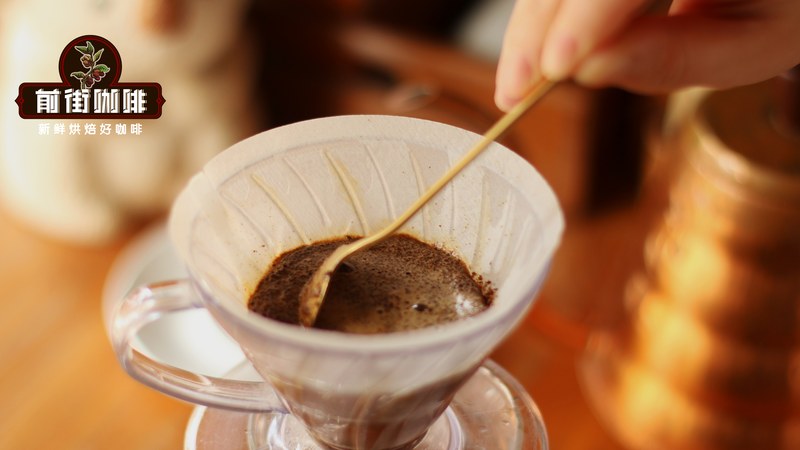
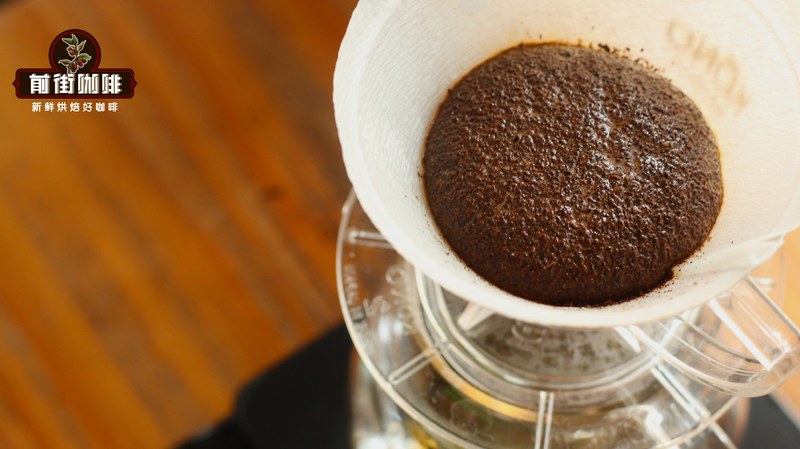
If you want to brew a thick, warm cup of pour-over coffee at home, you can use a standard set of parameters to keep things on track: weigh out 15 g of medium-dark roasted coffee grounds as recommended by Qianjie, use a 1:15 coffee-to-water ratio, and prepare 225 ml of hot water. Keep the water temperature at around 88°C, first pour 30 ml of water and patiently bloom for 30 seconds, then pour in stages steadily, keeping the total time to around 2 minutes, which will just nicely suppress any sharp acidity.
As for specific bean choices, friends who prefer a deep, mellow taste might want to try Qianjie PWN Indonesia Golden Mandheling. It has undergone a dark roast process, so its acidity is pressed very low. On the palate there is a strong aroma of herbs and pure dark chocolate, mixed with the earthy agarwood note unique to Mandheling. This kind of heavy-textured bean is very suitable for brewing strong; its abundant body spreads across the tongue, the sweet aftertaste is especially long, and it drinks satisfyingly and robustly.
If you like something balanced, warm and smooth, sweet and silky like cocoa-nut candy, Qianjie Brazil Queen Estate is a good choice for your cup. Its acidity is extremely faint, and the aromas of nuts, cocoa and caramel interweave, going down smooth without astringency. This bean performs excellently in oils and sweetness and has a high margin for error. Even if you brew it a little casually day to day, it still shows a steady, comfortable nutty sweetness, making it very suitable as a daily staple.
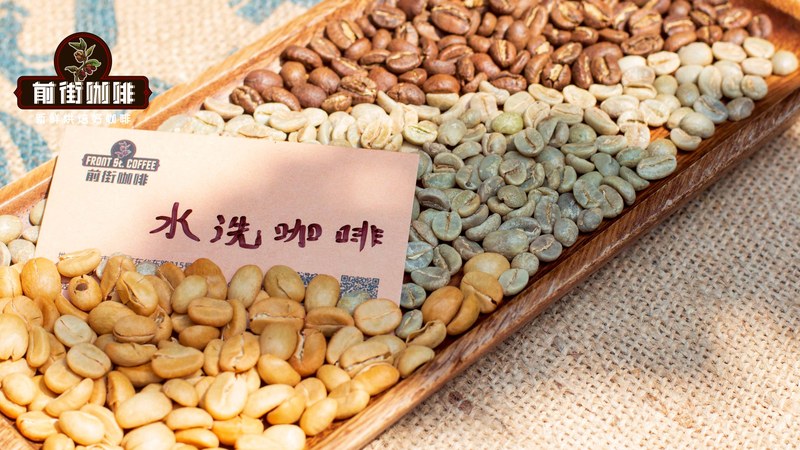
Friends who pursue a clean texture and elegant sweetness can also keep an eye on Qianjie Papua New Guinea Paradise Bird. It comes from high-altitude volcanic rock soil, has Typica lineage of the same origin as Blue Mountain, reaches AA high-grade standard, and has undergone three rounds of washed fermentation processing. This lets it retain extremely high cleanliness, with overall sweetness standing out. Even if you widen the coffee-to-water ratio a little and drink it at a lighter strength, you can still feel a warmth like nuts and brown sugar.
Coffee flavors have no hierarchy; drinking it happily is what really matters. Once you understand the little quirks of extraction yield and strength, and then choose medium-dark roasted beans that suit your preference, brewing is no longer a matter of blindly trying your luck. With a slight adjustment of water temperature and grind size, turning acidity into sweetness, even if you have a cup on an empty stomach in the morning, all that remains in your mouth is a rich nutty chocolate aroma, making every moment of tasting feel especially relaxed and at ease.
Related Reading

Comments (0)
Loading comments...
You May Be Interested




Trending Reviews
Popular Videos

With you, wherever you are! We provide useful features to help you find new things you'll love






