Source:Best Coffee > News Author:qjroot Published:2024-07-08 18:26:20
Africa is the world's second-largest continent, rich in mineral, hydropower, agricultural and forestry resources. Africa is largely a plateau, and three-quarters of its area has an average temperature above 20°C, making it highly suitable for agriculture such as coffee cultivation. Moreover, the African country Ethiopia is widely recognized as the birthplace of coffee, and its neighboring countries also produce high-quality coffee, such as Uganda, Kenya and Tanzania.
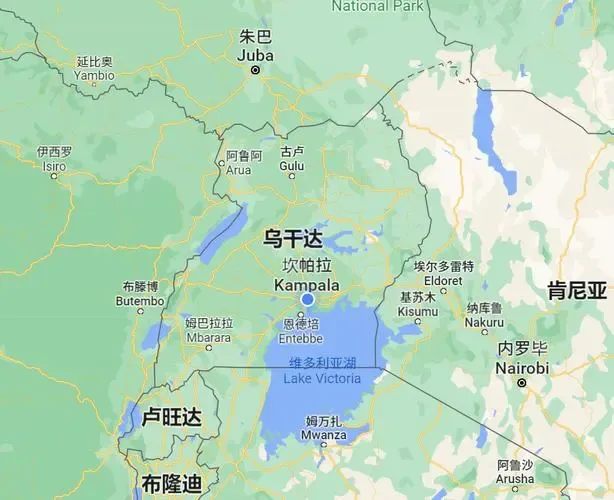
Among them, Uganda is one of the few countries in the world with native coffee tree species, and its native variety is wild Robusta growing around Lake Victoria. Arabica was introduced to Uganda from Malawi or Ethiopia in the 20th century, but Arabica's weaker disease resistance makes it more troublesome to cultivate, so farmers chose the more disease-resistant Robusta variety and began planting it on a large scale.
However, due to the lack of a good management mechanism and attention, in 1925 coffee exports accounted for only 1% of Uganda's export trade. It was not until 1929, with the establishment of the Coffee Industry Board, that cooperative-style cultivation and production promoted the growth of the coffee industry, and in 1940 coffee became Uganda's most important export trade product.
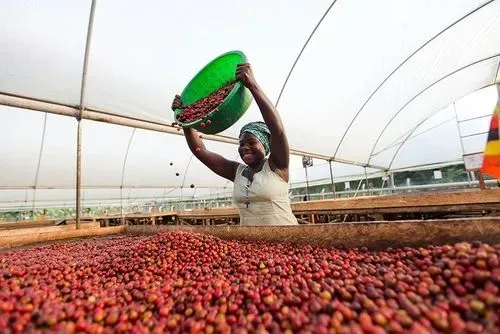
But later, Uganda was affected by drought, the collapse of coffee prices and farmers growing other crops, and coffee production fell by 20%. It was not until the 1990s, when modernization began, that the coffee industry improved, and currently coffee exports are about 6.5 million bags (60 kg per bag).
Uganda is located in East Africa, straddling the equator. Most of the country lies on the East African Plateau, and the western branch of the East African Rift runs through the western border. It has numerous lakes and volcanoes, with an average altitude of 1,000-1,200 m, and is known as the "Land of Lakes and Rivers on the Plateau."
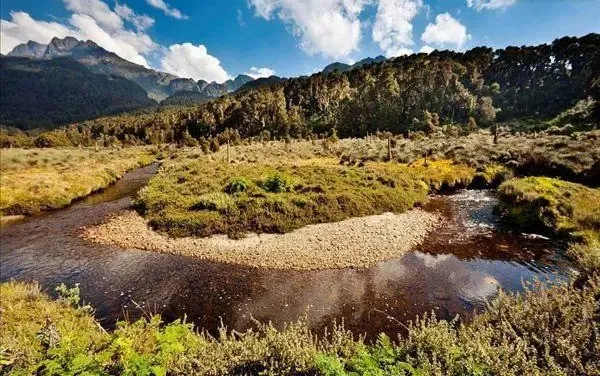
Uganda has relatively good natural conditions and a suitable climate. It has a tropical savanna climate, with an average annual temperature of 22.3°C and abundant rainfall; annual rainfall in most areas is between 1,000 and 1,500 mm. The seasons are also distinct: March to May and September to November are the rainy seasons, while the rest of the year is the dry season. These conditions make Uganda very suitable for coffee and other agricultural cultivation, and the quality is excellent. It appears year after year in the TOH Africa region competitions and wins awards. In the 2024 TOH Africa region, Uganda took third place in the honey processing group.
Uganda's coffee-producing regions are roughly divided into three areas: Bugisu, West Nile and the Rwenzori Mountains, with most coming from producer alliances or cooperatives.
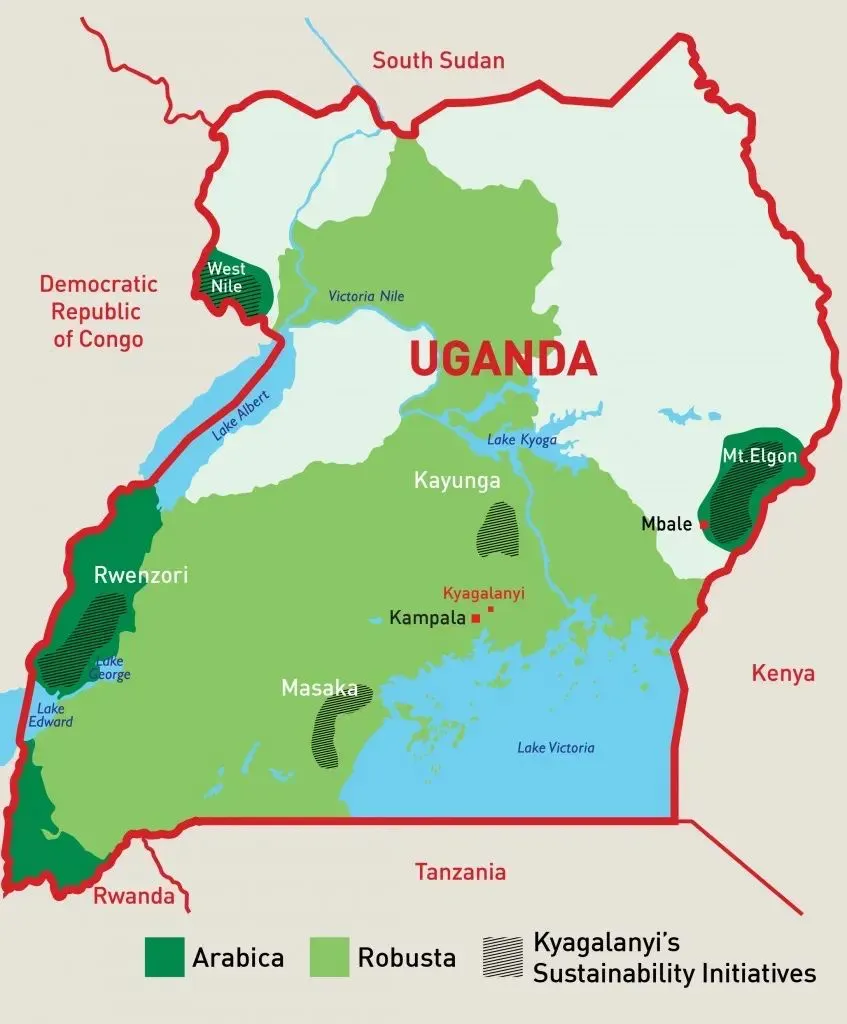
In Uganda, Robusta accounts for 80% of total production. Therefore, among the three major regions, both West Nile and Mount Rwenzori grow Arabica and Robusta varieties, but Robusta is dominant. The Bugisu region, however, is an exception, as it mainly grows Arabica varieties.
The Bugisu region is located in eastern Uganda, clinging to the western slopes of the ancient Mount Elgon volcano, which sits on the border between Kenya and Uganda and is an extinct volcano.
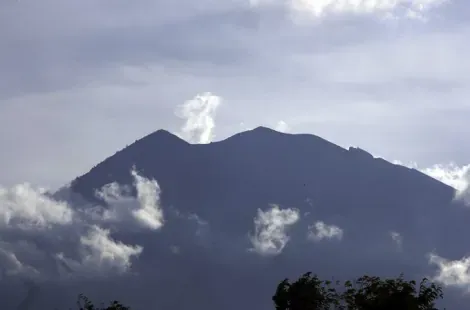
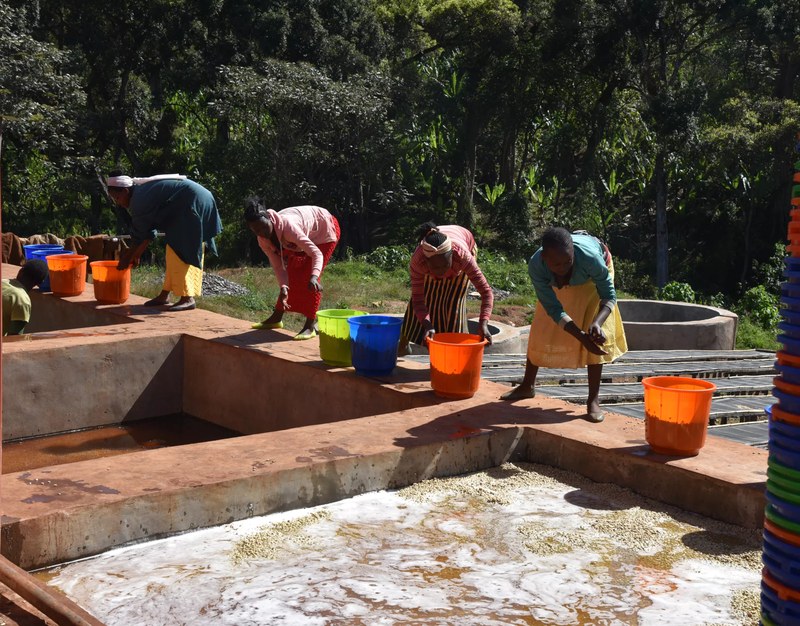
Coffee is grown at altitudes of 1500-2300 m, where the fertile soil provided by the volcano, the higher altitude and the humid climate are more suitable for growing Arabica varieties. The main varieties grown here are Kent kent, Typica Typica, SL14 and SL28. In addition, due to limited conditions, smallholder farmers here mainly practice organic farming, with most coffee processed by the washed method, along with a small amount of natural or honey processing.
Related Reading


Comments (0)
Loading comments...
You May Be Interested




Trending Reviews
Popular Videos

With you, wherever you are! We provide useful features to help you find new things you'll love






