Source:Best Coffee > News Author:qjroot Published:2026-09-07 13:08:43
A coffee bean with strong sweetness is not just one that tastes like candy on the palate. It may show up as the juiciness of ripe fruit, a honey-like roundness, or the density of cocoa and caramel. During brewing, water temperature, coffee-to-water ratio, grind size and contact time determine whether these flavors can be fully brought out, so after choosing the beans, you also need to arrange a suitable extraction rhythm for them.
For pour-over, you can start with a medium coffee-to-water ratio, for example 1:15, with 15 g of ground coffee to 225 g of water. Set the water temperature at 90 to 92°C first, use a medium-fine grind, and pour in two to three stages so the coffee bed stays moist throughout. This setup balances aroma and strength. If the cup tastes thin, gradually tighten the grind rather than immediately raising the water temperature by a large margin.
Qianjie Kafa Forest is suited to a gentler pour-over method to bring out its sweetness. Its aroma opens in a citrus direction, followed by a ripe apricot-peach-like round sweetness, with a crisp oolong tea-like finish in the tail. You can use water at around 90°C, a coffee-to-water ratio of 1:15 to 1:16, and avoid pouring too aggressively. Wait until the coffee liquid cools slightly before drinking, and the sweetness is usually easier to perceive.
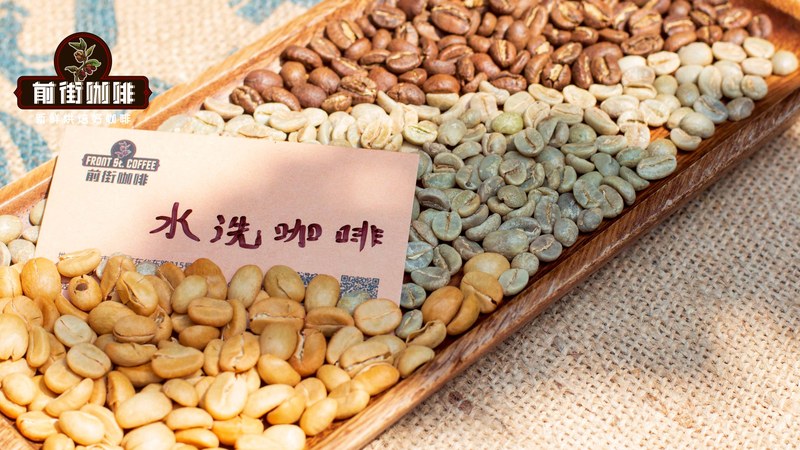
If the beans have intense floral and fruity aromas, the water temperature and agitation should be slightly restrained. Qianjie Granja Estate Geisha is suited to brewing at 90 to 91°C, with a coffee-to-water ratio of 1:16, a medium-fine grind, a small amount of water for a full bloom in the first stage, and gentle pours in stages in the later stage. This allows orange blossom, guava and berry-jam-like notes to appear in sequence, and the layers in the cup become clearer.
When pour-over tastes sharply acidic, you can first tighten the grind a little, or extend the pause between the bloom and the pours so the water and ground coffee have more contact. If you taste a dry tongue and a tightening throat, it may be over-extraction caused by fines, so you can coarsen the grind slightly and reduce agitation in the later stage. Change only one parameter by a small amount each time, and it will be easier to compare and find the point where sweetness appears in a concentrated way.

If you like iced coffee, you can change the pour-over plan to iced pour-over. Taking 15 g of coffee as an example, keep the total water at 150 to 160 g, of which 40 to 50 g is placed as pre-prepared ice in the server or cup, and maintain the brewing water temperature at around 91°C. The hot liquid falls directly onto the ice, making the aroma brighter and the sweetness seem more compact, which suits beans with prominent juiciness.
Qianjie Colombia Sidra is expressive both as iced pour-over and as SOE. For pour-over, you can use a 1:16 ratio and a water temperature of 92°C, with a slightly finer grind than a normal light-roast pour-over, helping flavors such as passion fruit, blueberry and grape form a higher concentration. If making SOE, you need to turn the acidity and sweetness into a fuller mouthfeel, not just pursue fast flow.
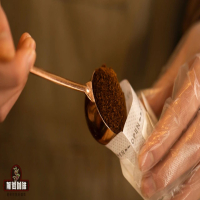
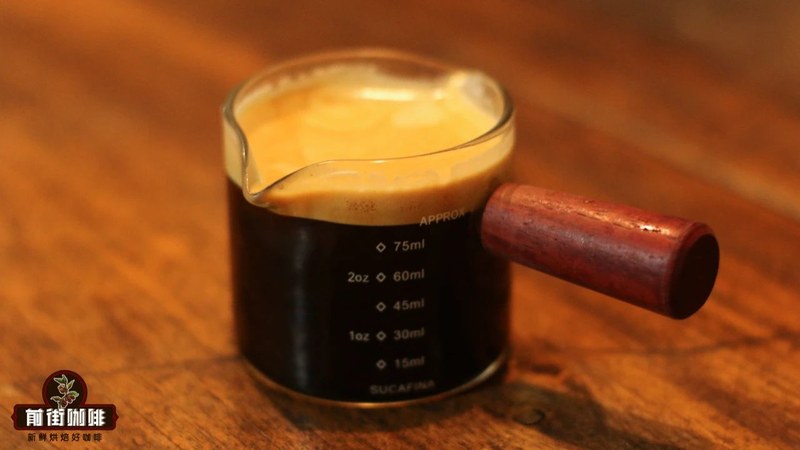
For espresso extraction, you can start with 18 g of coffee and 36 g of liquid weight, with a target time of about 27 to 30 seconds, and keep pressure at around 9 bar. For light-roasted or obviously fruity beans, the grind usually needs to be finer than for medium-dark roasts, and the water temperature can be set at 93 to 95°C. If the flow is too fast and the taste is sharp and thin, tighten the grind; if the tail is clearly bitter, coarsen it appropriately or reduce the final liquid weight.
Using Qianjie Colombia Sidra to make SOE, a yield of around 30 g will make the juiciness more concentrated, suitable for a short americano or drinking over ice. If you want to add milk, you can widen the ratio to 1:2.2 to 1:2.5, giving the espresso more sufficient sweetness and body. Keep the milk temperature at 55 to 65°C to preserve the fruit character and make the overall mouthfeel smoother.
The sweetness of espresso beans is also related to the state of distribution and tamping. The flatter the puck surface, the less likely water is to channel through one spot. If the flow is extremely fast in the first stage during extraction, you often need to check the evenness of distribution, not just adjust the grind setting. After pulling a shot, stir it before tasting, so you can more accurately judge whether it lacks acidity and sweetness, is too low in strength, or has too much extraction in the tail.
When choosing sweet-tasting beans, you can consider the flavor description together with your own equipment parameters: floral and fruity beans suit higher water temperature, a finer grind and light agitation, while medium sweet-aromatic beans are better suited to a stable ratio and a gentle flow. Pour-over focuses on opening up aroma layers, while espresso focuses on compressing sweetness and texture. The parameters are not a fixed answer; by fine-tuning little by little around the taste in the cup, the beans' sweetness will come closer to your own preference.
Related Reading



Comments (0)
Loading comments...
You May Be Interested





Trending Reviews
Popular Videos

With you, wherever you are! We provide useful features to help you find new things you'll love






