Source:Best Coffee > News Author:qjroot Published:2024-11-11 16:55:10
With the "rise" of acidic coffee in recent years, FrontStreet Coffee believes everyone has heard of the Huakui coffee. Just from the name alone, you can tell it is no ordinary bean. Its bright citrus and berry notes, along with a juicy, pleasant sweet-tartness, leave a lasting impression. This article will take a look at the origins of Huakui coffee.
Huakui Becomes an Overnight Sensation
In 2017, Ethiopia's DW company entered a natural-process lot from the "Buku Abel" processing station, and with its intense strawberry and creamy aroma, it won the TOH (Ethiopia National Taste of Harvest competition) championship in Ethiopia. That same year, on the stage of the World Brewers Cup China regional competition, contestant Li Jianfei used a "natural Hambella" to defeat the Gesha competing on the same stage, winning the national runner-up title in the brewing competition. From then on, this bean began appearing in specialty coffee shops around us.
In an interview, brewing runner-up Li Jianfei revealed that he believed this Ethiopian bean's outstanding performance could compete on the same stage with Panama's "Geisha" and hold its own. At the same time, he hoped this Ethiopian coffee could become the finest "Geisha," so he named it "Huakui." The foremost among a hundred flowers, graceful and alluring - this is the origin of our bean's name. The English version of Huakui coffee is its producing region, namely Hambella.
Sidamo - Guji Producing Region
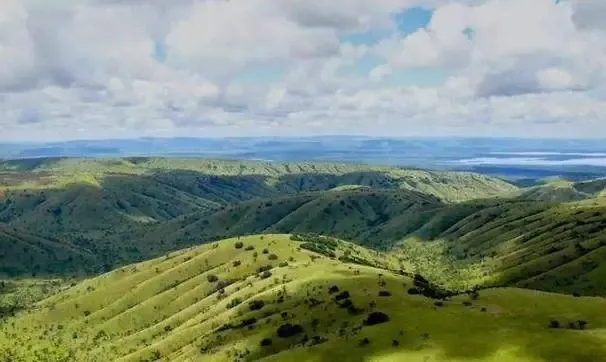
As one of Ethiopia's main specialty coffee producing regions, Sidamo is located in southern Ethiopia, spanning the highlands south of Lake Awasa in the East African Rift Valley, at an altitude between 1500-2200m. The significant temperature difference between day and night lengthens the time needed for coffee cherries to mature, allowing them to absorb more nutrients, so the resulting fruit has rich layers of sweetness and acidity. Moreover, the terrain here is diverse, soil types vary, and there are many microclimates, so Sidamo's coffee flavors are extremely diverse.
The Guji producing region originally fell under the administration of the Sidamo producing region. Because the area is relatively remote and its development was relatively backward, Guji coffee rose to fame rather late. At first its reputation was not as great as that of producing regions such as Yirgacheffe and Harrar, but later, because of the excellent flavor of its coffee beans, it began to be independently demarcated as a new producing region. This place has fertile black soil, with an average altitude above 1800 meters. Its unique geographical features create terroir conditions highly favorable for the growth of coffee trees.
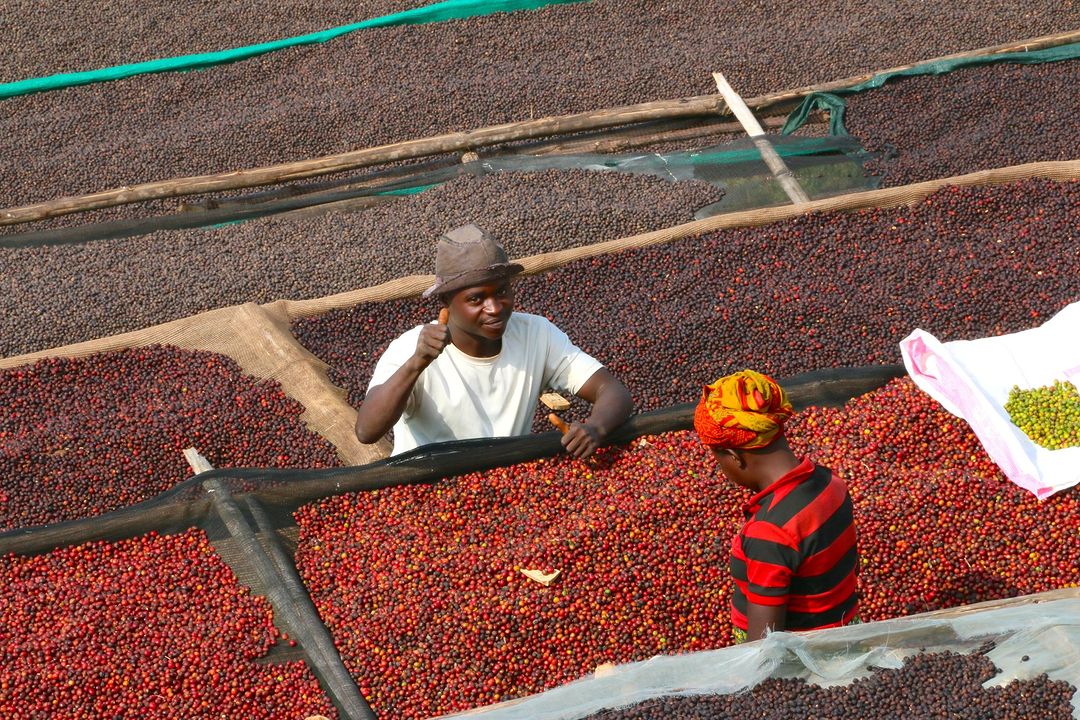
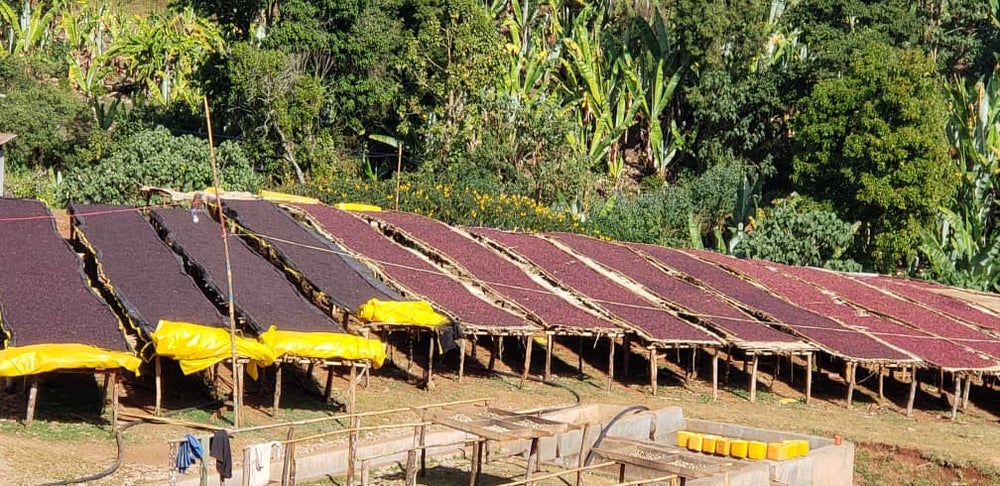
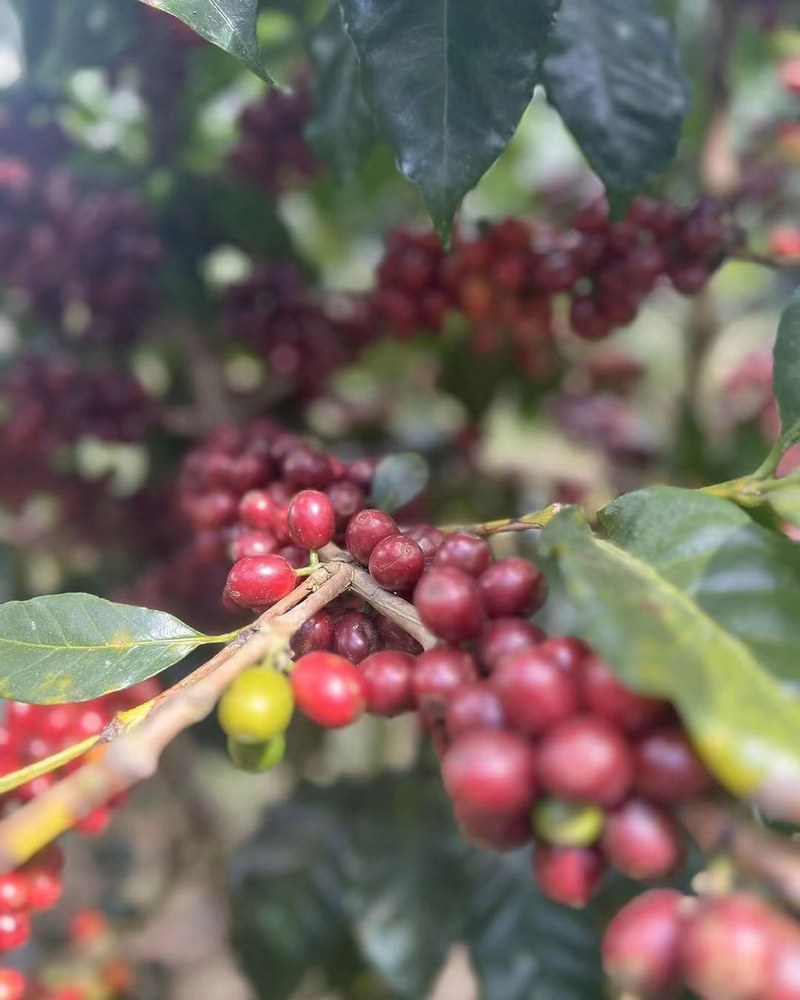
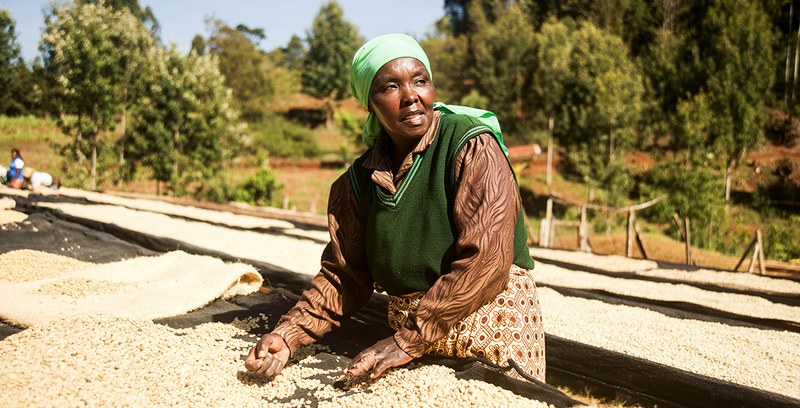
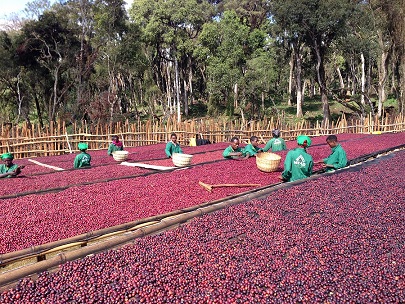
During the annual coffee harvest season (December-January), the Buku processing station only harvests fully red cherries, selecting coffee cherries with a brix value of 30 or above and placing them on African raised beds for drying. Because the local day-night temperature difference is very large, the coffee farmers will shade the cherries at noon to avoid excessive fermentation from too-high temperatures, and at night they cover them with plastic sheeting to prevent sudden rain showers. They turn them continuously throughout the day and also ensure the coffee cherries are not piled too thick, so the fruit can dry evenly while also preventing sun damage or the development of unpleasant fermented flavors. After about 18 days of natural processing, the green coffee beans reach a moisture content of only 13% and can then be bagged and stored.
The Origin of Huakui's Numbers
Huakui - if we look at it purely literally, we might think it is a coffee overflowing with floral fragrance. But that is not actually the case. Huakui's floral notes are not especially intense; instead, its fruit aromas stand out particularly, such as creamy strawberry, mango, jackfruit, citrus, blueberry, and so on. It possesses the ripe tropical fruit flavors unique to Sidamo natural beans, often leaving a deep impression, and it was precisely this rich berry fragrance that won "Huakui" first place in that year's TOH green bean competition.
But everyone knows that coffee is essentially an economic crop. Its yield and quality in a given year are first affected by factors such as climate and rainfall, altitude and soil, fertilization and weeding, and then the differences in processing details (sunlight duration, temperature, humidity) further produce different flavor profiles. Huakui is naturally no exception. So each year's Huakui beans, when compared with those of the previous year, will differ more or less in taste.
In our impression, the naming of coffee beans usually follows some traceable logic, and once settled it does not change - for example, Gesha is a variety, Blue Mountain is a producing region, Guting Guting is a processing station, and so on. But Huakui is especially unique. It is like Apple's iPhone: each year it needs a new "version name" before it can go on the market. Why is that?
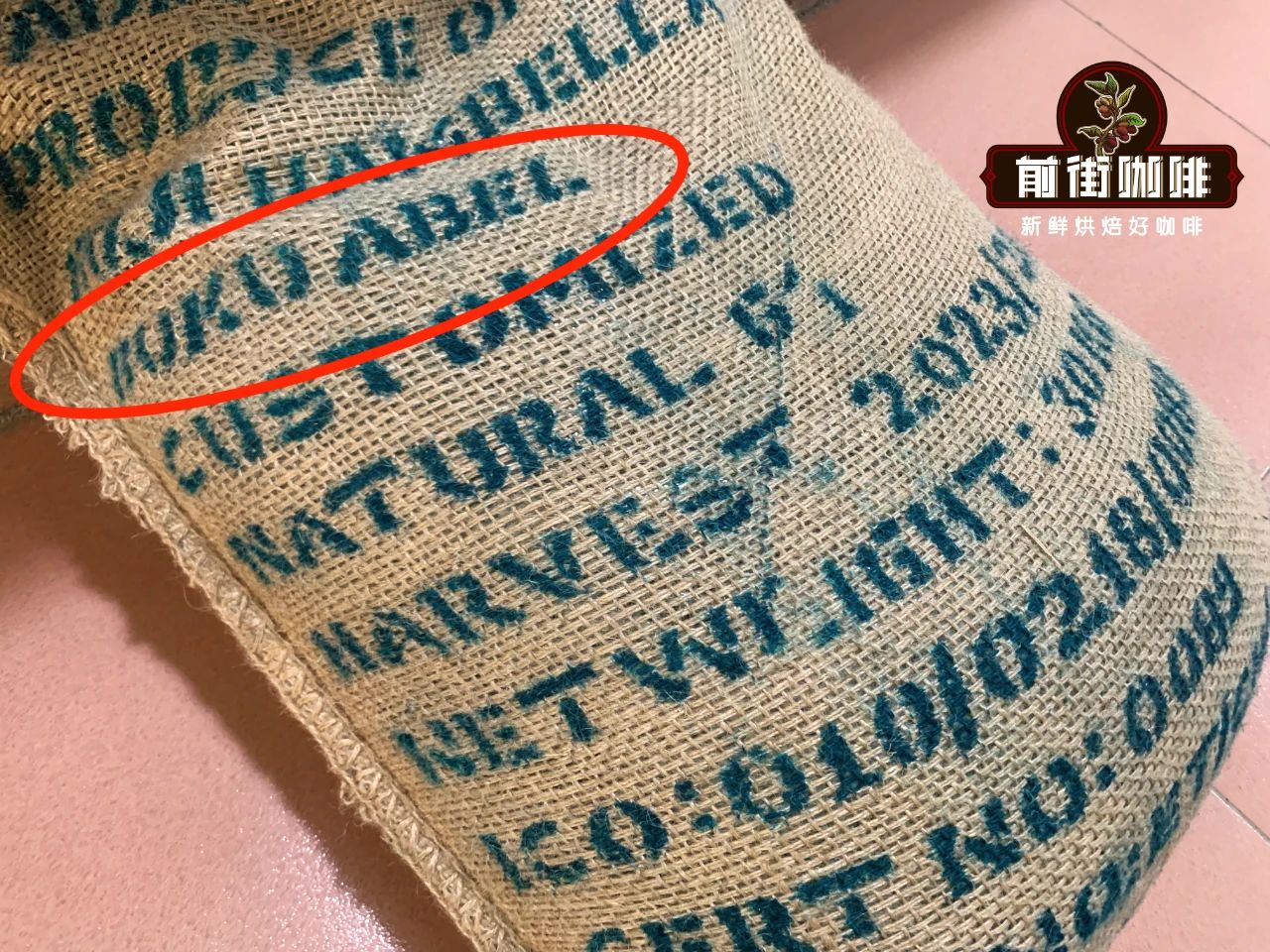
In fact, before this bean was called "Huakui," it had only one English name, "Hambella." Put plainly, what we call "Huakui coffee" is a traditional natural G1 coffee bean from the Hambella producing region, and "Buku Abel" processing station is its more detailed traceability information, located in Dimtu town.
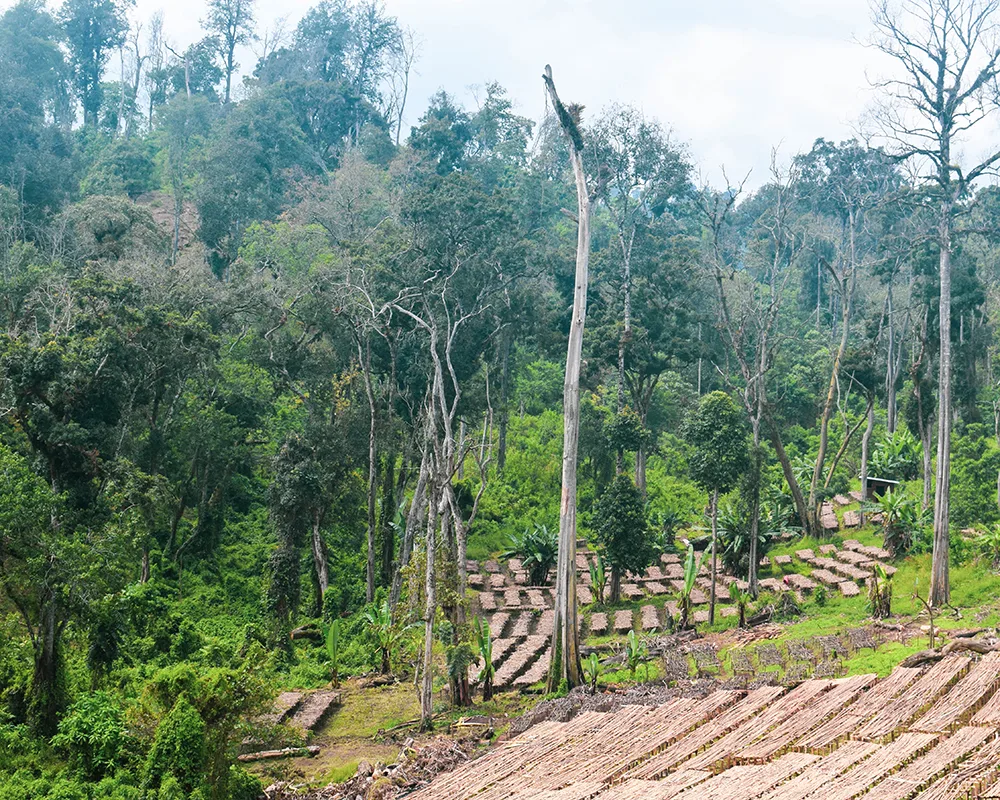
After "Huakui" became an overnight sensation, in order to meet the surging market demand, DW company added up to 5 independent green coffee bean drying and processing stations in Hambella Wamena Wereda, all located within the core producing area of Dimtu town. In addition to the original Buku Abel, 4 other small villages - Buku Saysay, Haro Soresa, Tirtiro Goye, and Seke Bokosa - also joined the production of natural-process coffee beans. It is said that at this point DW company's annual production of "Huakui" had already reached tens of millions of tons.
Since the 2018 production season, Huakui (natural G1 coffee beans) from the same growing area and the same processing station has already shown some changes in taste. At the time, FrontStreet discovered through cupping that although the 2018 and 2019 Huakui also had flavors similar to the 2017 Huakui, in terms of body, aftertaste, and other mouthfeel aspects, they were not as good as the "first-generation Huakui."
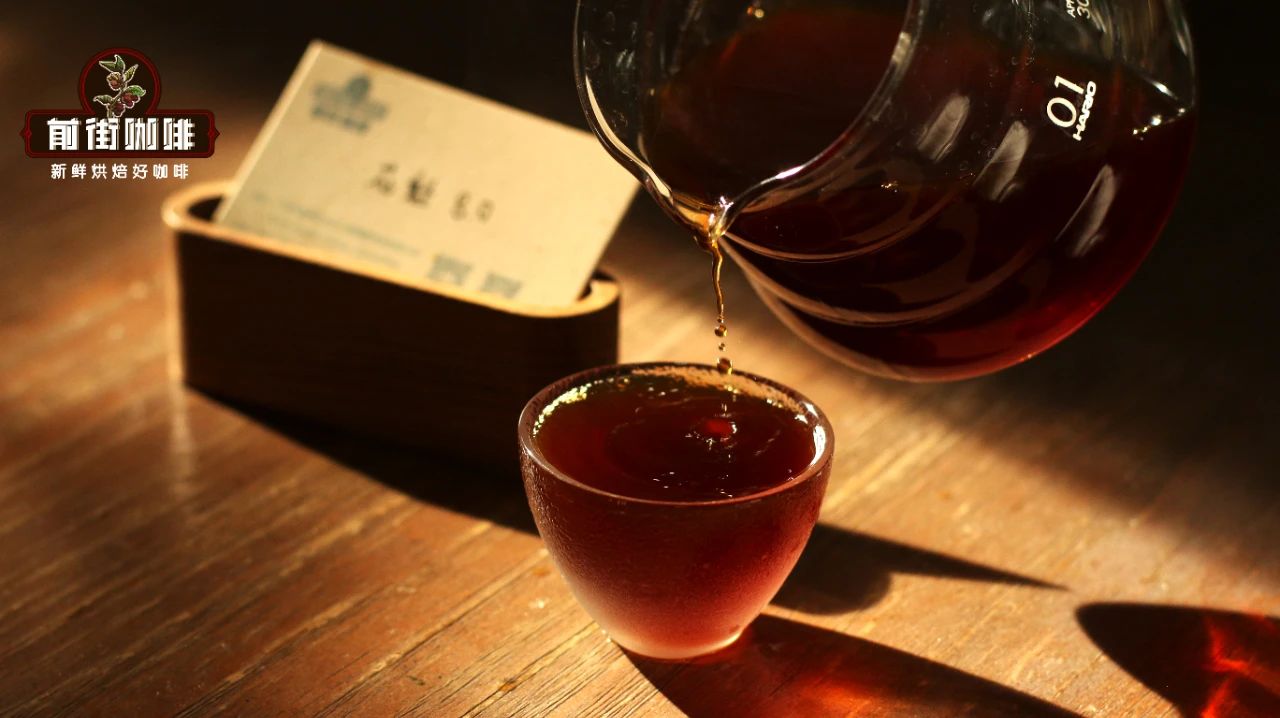
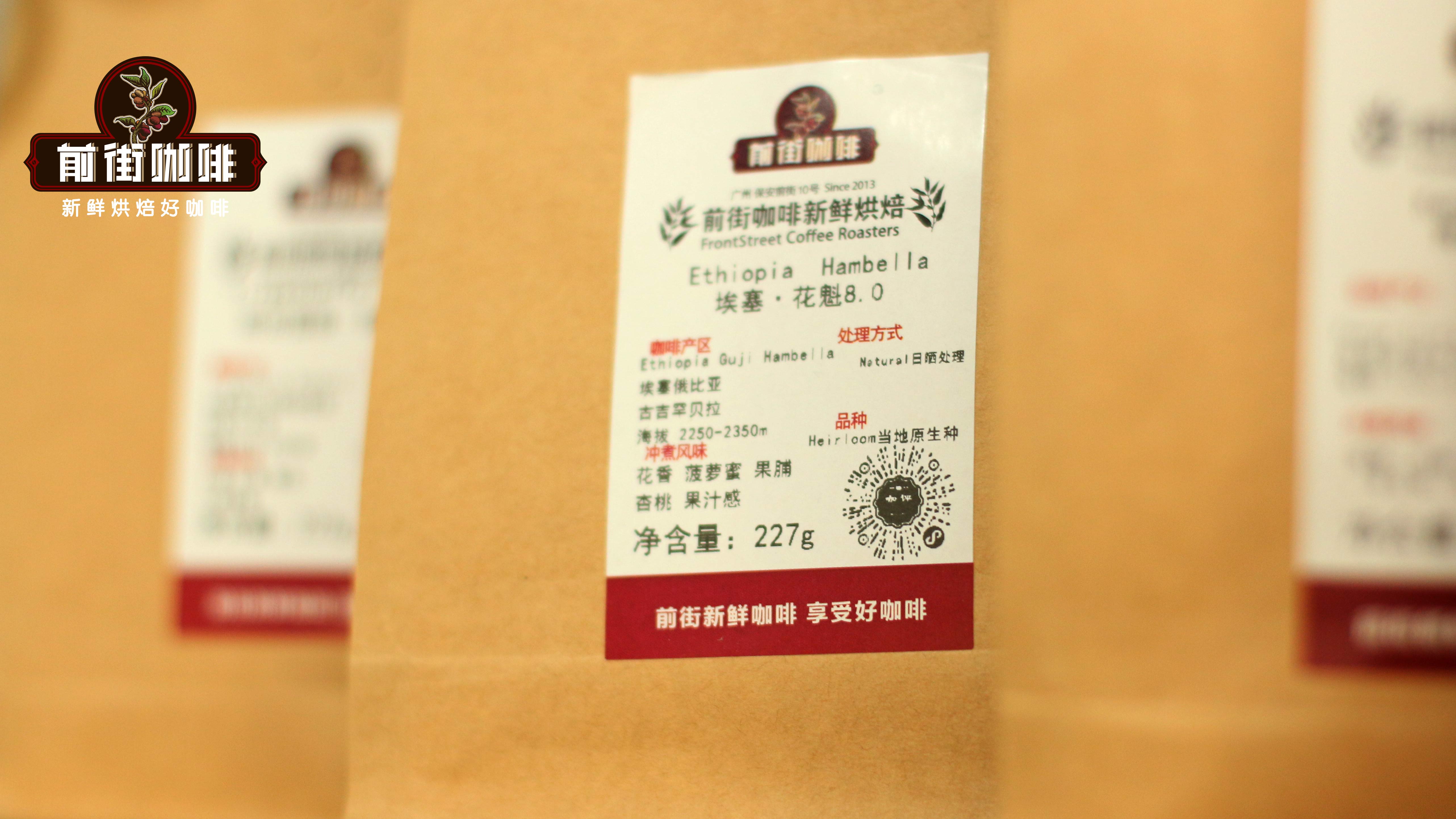
Thus, in order to continue selling this natural coffee from Hambella while also distinguishing it to some extent from the original version, domestic green bean trading companies, counting from 2017 onward, created an X.0 suffix for each subsequent year's lot. For example, the 2018 lot was called "Huakui 2.0," the 2019 production was called "Huakui 3.0 and 3.1"... last year's release was "Huakui 7.0," and so on. Now, before we know it, it has already reached its 8th year since debut, and the latest production season's lot follows the naming convention of many years, launching under the name "Huakui 8.0." Drinking the new Huakui has even become the top priority for its "die-hard fans."
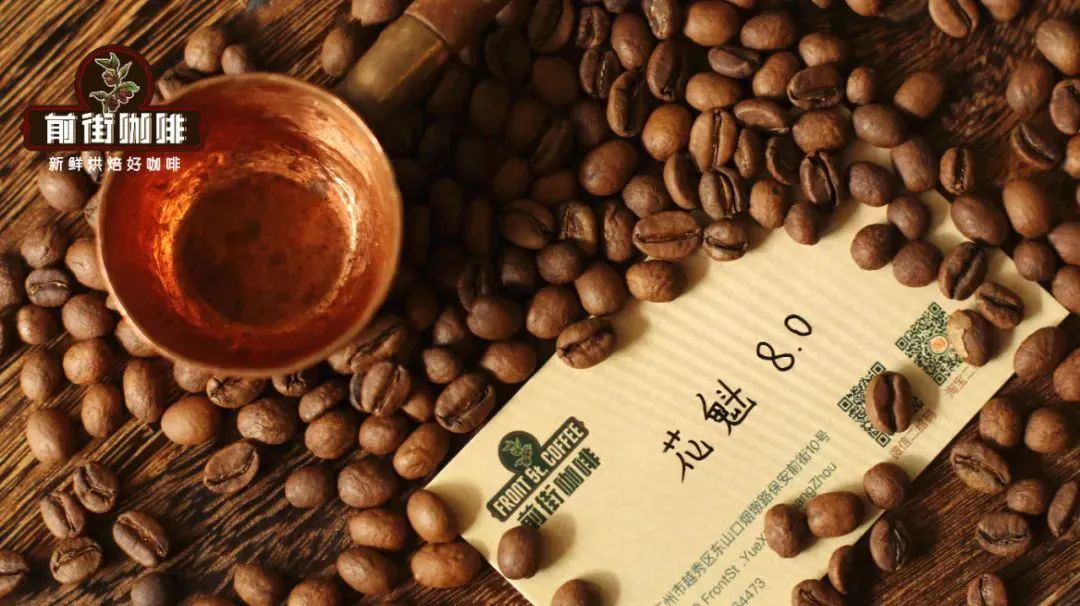
Flavor: Floral, jackfruit, dried fruit, apricot, juicy
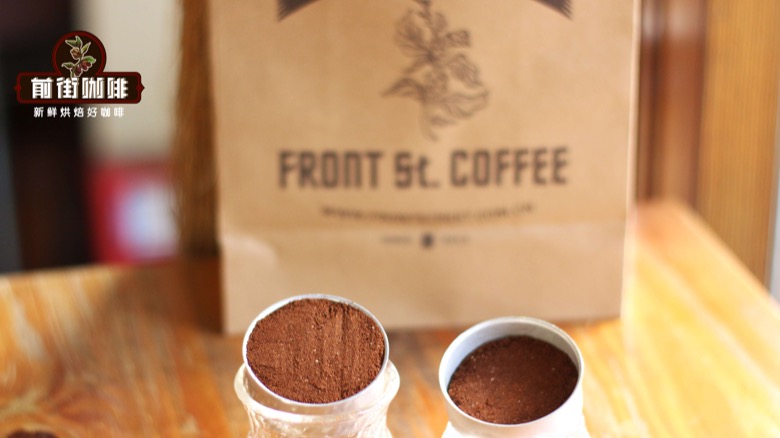
In the dry aroma, the new-crop Huakui 8.0 shows a more intense fruity character than 7.0, with a dense aroma of guava, jackfruit, apricot, dried fruit, citrus and pink floral notes. After hot water is poured in, aromas of honey, berries and chocolate sweetness are detected.
Through slurping, FrontStreet first perceived in this 8.0 the interwoven sweet and tart notes of multiple fruits such as dried mango, jackfruit, orange and passion fruit, with a clear juicy quality and a round mouthfeel. As the temperature drops slightly, the fresh sweetness of white peach and the bright acidity of berries begin to emerge, and after swallowing, a sweet aftertaste like that of drinking black tea can be felt, with very rich layers.
Related Reading

Comments (0)
Loading comments...
You May Be Interested

Trending Reviews
Popular Videos

With you, wherever you are! We provide useful features to help you find new things you'll love






