Source:Best Coffee > News Author:qjroot Published:2026-09-24 13:01:25
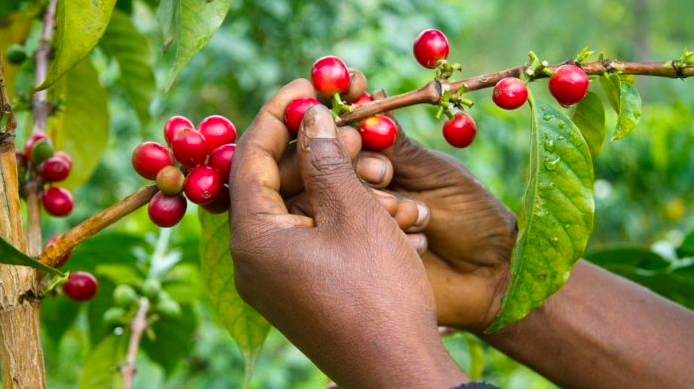
When many friends first get into Arabica coffee, they often wonder why the same bag of beans sometimes tastes bright and clean and sometimes astringent. In fact, the Arabica family is huge, and different varieties have different terroirs, but the core of brewing always comes down to strength and extraction yield. Strength is like the saltiness of a bowl of soup, driven mainly by the coffee-to-water ratio; extraction yield is how much of the ingredient's flavor has dissolved out, affected by grind size and water temperature. When the two are balanced, the cup is especially smooth.
If the brewed coffee is thin and tasteless, it is usually because the coffee-to-water ratio is too large, making the strength too low, or the water temperature is too low, causing under-extraction; if the mouthfeel is bitter and dry, it is often because the grind is too fine or the water temperature is too high, over-extracting the unpleasant late-stage compounds. Just fine-tune the parameters, coarsen the grind by half a step, or adjust the water temperature by two degrees, and the same bag of beans can regain its clean, sweet, soft, smooth state.
When choosing beans day to day, you should not only look at the origin and variety, but also consider whether you prefer to drink strong or light. Light, delicate beans from high-altitude regions with floral and fruity notes are naturally suited to being brewed clean and transparent, so you can savor the juicy quality; beans with nutty and chocolate notes and a rich body are better suited to a slightly higher strength, tasting full and solid. Once you understand this logic, you will feel more confident when picking beans and brewing.
Friends who prefer a light, easy-drinking cup and are after alluring floral and fruity aromas can try Qianjie Strawberry Candy Gesha Blend Coffee. The Gesha variety was first collected from Ethiopia and became famous in Panama, with a stunning orange-blossom honey charm. This blend combines Panamanian washed Gesha with Costa Rican honey-processed beans, and under gentle extraction you can clearly taste the complex aromas of rose, jam and grape, smooth and especially clean and sweet.
Also suitable for light brewing to bring out a juicy quality is Qianjie Yirgacheffe Gudingding Cooperative Coffee, a native Ethiopian heirloom. Ethiopia's Gudingding Cooperative is highly skilled, and this washed bean has very clear citrus and lemon acidity, accompanied by waves of jasmine fragrance. This kind of light-roasted bean is hard in texture, and a higher water temperature can draw out rich aroma precursors, with lively sweet acidity on the palate.
When brewing this kind of light-roasted floral and fruity bean, we often use classic pour-over parameters. Prepare 15g of ground coffee, use a 1 to 15 coffee-to-water ratio, and pour 225ml of water. First bloom with 30ml of water at 92°C for 30 seconds, then pour in stages, steadily raising the water level to bring out the fruity aromas, keeping the total time to around 2 minutes. Remove the dripper before the late-stage compounds are extracted, and the whole cup is especially transparent and sweet.
If you prefer a rich mouthfeel and a flavor suited to slightly stronger drinking, Qianjie Jamaica Blue Mountain No. 1 Coffee, a Typica variety, is well worth trying. Jamaica's fertile volcanic soil gives Blue Mountain a uniquely favorable growing environment. After a medium-dark roast it gives off elegant aromas of chocolate, cream and nuts, with an excellent acid-bitter balance. Slightly increase the dose or lower the coffee-to-water ratio, and you can taste a velvety denseness.
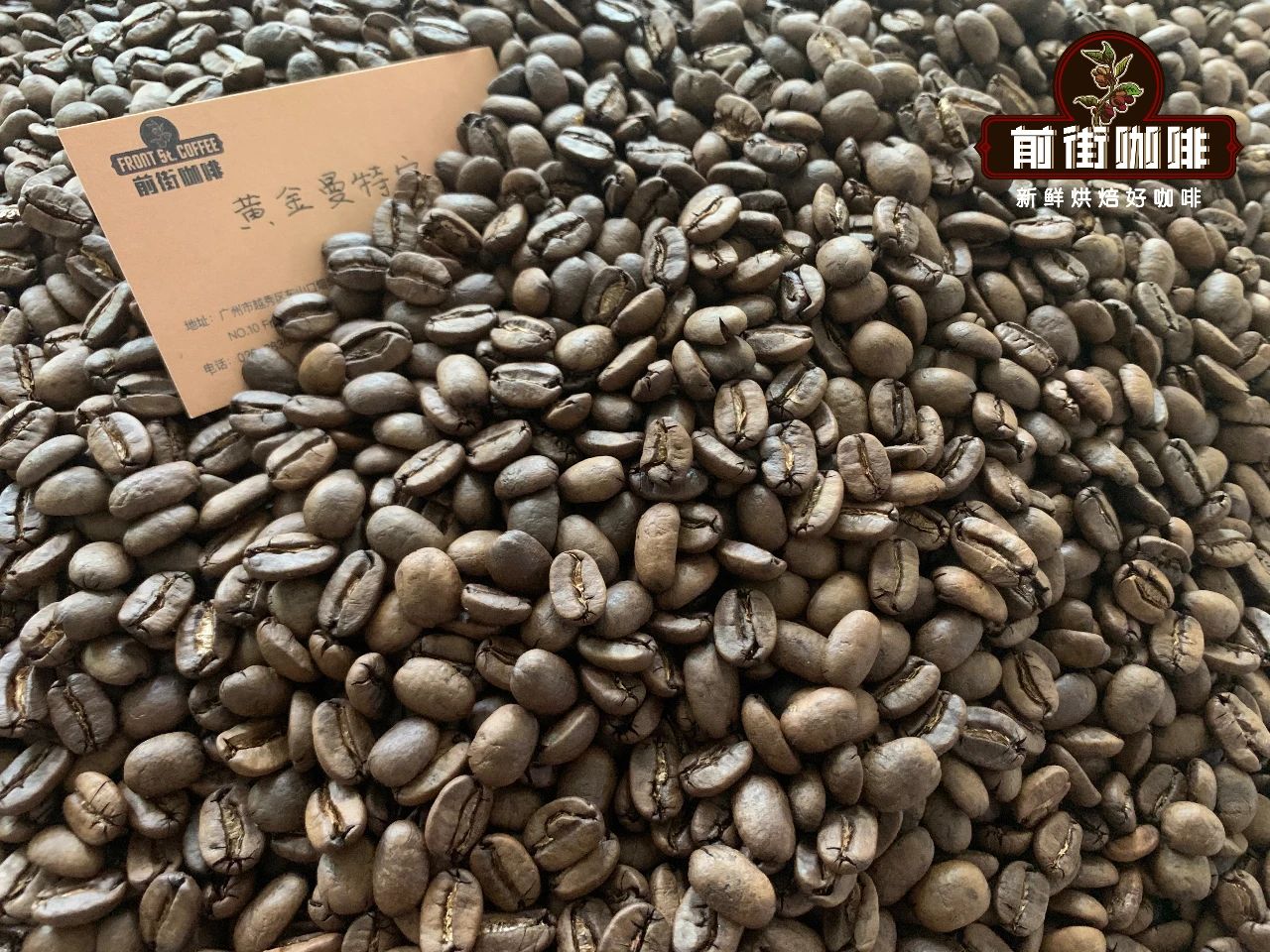
If you want to enjoy a sweet, mellow taste in big sips every day, Qianjie Brazil Queen's Estate Coffee is also a good choice on the rich route. As a mutation of the Bourbon variety, Yellow Bourbon turns a bright orange-yellow when ripe, and the large temperature swings at high altitude accumulate plenty of sugar. A medium-dark roast gives it the sweetness of creamy peanut, cocoa cookie and sugarcane. Lower the water temperature to 88°C and extract a little more slowly, and you have a warm, smooth, sweet Americano.
The charm of Arabica lies precisely in such a rich and diverse expression of terroir. Whether you are devoted to the elegant floral aroma of a light-roasted Gesha or enchanted by the solid nutty aroma of a dark-roasted Bourbon, as long as you master the tricks of adjusting water temperature, grind and coffee-to-water ratio, you can control strength and lightness as you please. Choose a bean that suits your mood at the moment, brew it by hand in the morning light or the afternoon, and every cup can bring a comfortable, pleasant flavor experience.
Related Reading
Comments (0)
Loading comments...
You May Be Interested




Trending Reviews
Popular Videos

With you, wherever you are! We provide useful features to help you find new things you'll love






