Source:Best Coffee > News Author:qjroot Published:2026-10-07 18:09:45
The key to iced coffee tasting of distinct sweet-and-sour fruit notes rather than weak, watery coffee is concentration. With a French press, hot coffee is forgiving: a wider coffee-to-water ratio or half a minute of timing difference still tastes acceptable. But iced coffee is not. Once the ice melts, dilution is unavoidable. So my approach is to first reduce the water, extracting a stronger brew from the same amount of coffee, then let the ice handle both cooling and making up the total volume. For example, normally 15g of coffee with 225g of water; for the iced version I cut the water to around 150g, and the resulting liquid is noticeably more concentrated. Poured over 120g of ice, once melted it is exactly a cup of iced coffee with both the right concentration and enough chill.
There are several directions to adjust when raising extraction efficiency. Grind a bit finer, half a notch finer than the coarse-sugar granules you would normally use for a hot French press, so water more easily draws out flavor compounds; raise the water temperature, for light roasts I use 93-94°C, a touch higher than for hot drinks; extend the steep time from the usual 4 minutes to 5 minutes or even 5 and a half, giving full extraction time; and at the end gently stir two or three circles with a spoon to break up the inert surface of the coffee bed. You do not have to do all of these, just pick one or two in combination. The goal is to let even a small amount of water fully extract the beans' flavor. When pressing the filter down, keep a steady pace, and pour decisively rather than dawdling; the last bit with lots of fine sediment at the bottom can be discarded.
For the amount of ice I usually prepare about 0.8 times the weight of the coffee liquid; 120g is a baseline suitable for an ordinary mug, and if the cup is larger, add up to 150g. Choose a wide, short cup rather than a tall, narrow one; the liquid spreads over a larger area, cools quickly, and the ice melts relatively evenly. The pouring method is worth attention: bring the French press spout close to the surface of the cup and let the coffee flow gently down the wall or over the ice, rather than dropping it from a height. This reduces the fine sediment stirred up by turbulence, making it much smoother to drink, with no layer of grounds settling at the bottom of the cup. When there is no dedicated cold drip brewer at home, this French press method is exactly my go-to solution in summer.
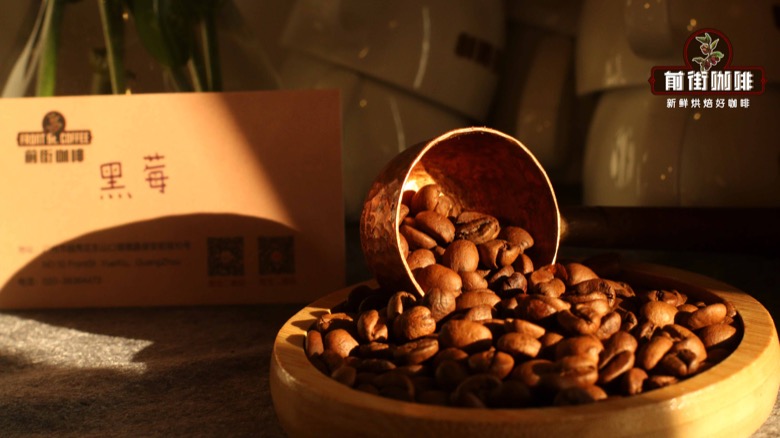
For bean selection I lean toward fruity, intensely sweet-and-sour profiles. At low iced-drink temperatures, bitterness and roast notes are suppressed, which instead lets the floral and fruity notes stand out more. Qianjie Xizhua SOE comes from Finca La Divisa in Huila, Colombia; double anaerobic natural plus a medium roast gives concentrated blueberry and passion fruit sweet-and-sourness, and the grape and apricot finish makes it drink like a glass of dark fruit juice when iced. Qianjie Huakui SOE is a natural Ethiopian bean from Hambela; medium roast, dominated by red berries and light floral notes, with the orange's refreshing quality more obvious against the ice, and that hint of citrus in the oils feels even more pleasant once cooled. Qianjie Blackberry SOE uses a Costa Rican black honey process, with pectin fully retained and deep fermentation; under a medium-light roast the dried raisin, berry sugar and sweet orange flavors are clearly layered, with the mouthfeel of a crisp sweet wine on entry, and the floral and blueberry aromas are especially lasting at low temperature. Qianjie Yirgacheffe Gudingding is a classic washed representative, with clean, clear citrus, berries and floral notes, a finish of green-tea-like sweetness, bright acidity and a light body, very refreshing to drink iced.
Shipping is fresh; after receiving them I rest the beans about 4 days before extracting the strong base, and the flavor is more stable if drunk within a month. Well-rested beans make an iced French press with fuller aroma release.
To summarize the parameters again for reference: 15g coffee, grind one notch finer than medium-coarse, 150g water for the hot extraction stage, water temperature 92-94°C for light roasts, steep for about 5 minutes with optional gentle stirring, then press slowly and pour over 120g of ice. Within the everyday 1:12 to 1:18 coffee-to-water ratio range, the iced version simply splits the total water into two parts, "extraction water + ice", to calculate; less extraction water and more ice, so the concentration does not collapse in the end. Once this idea clicks, you can casually make a flavorful iced coffee at home in summer without relying on any extra equipment.
Related Reading


Comments (0)
Loading comments...
You May Be Interested



Trending Reviews
Popular Videos

With you, wherever you are! We provide useful features to help you find new things you'll love






