Source:Best Coffee > News Author:qjroot Published:2026-09-16 01:49:41
The Moka pot relies on moderate steam pressure to extract a rich, aromatic coffee liquid, and coffee beans from different origins and roast levels differ markedly in how efficiently they absorb heat and dissolve. To get the ideal performance out of the pot, the key is to set the brewing logic according to the physical traits of the beans, so that water temperature, grind particle size and heating time work well together and steadily release the sweetness and aromatic compounds inside the beans.
Coffee beans differ in fiber density and in the rhythm at which they release aromatics: darker-roasted beans have a porous structure and must be protected from overheating, while medium-roasted beans need enough extraction power. Before actually using a Moka pot, establishing a flavor baseline through precise parameters makes later grind adjustments and heat control far more relaxed and measured.
For those just getting to know the Moka pot, Qianjie Brazil Queen Estate is a classic choice with a very high tolerance for error. This bean is known for its natural and semi-natural processing, with full-bodied roasted nuts, dark chocolate and caramel sweetness, and soft acidity. Its density is uniform, so it forms a stable resistance layer under heat and pressure, and the coffee that flows out is smooth and rich, easily showing solid flavor.
If you want to calibrate the balance of Qianjie Brazil Queen Estate, you can use this set of parameters: water temperature set at 88 °C, 15 g of coffee grounds, a 1:15 coffee-to-water ratio with 225 ml of hot water poured in, and total time controlled at 2 minutes 10 seconds. The pouring method uses three stages: first pour 30 ml to wet the coffee bed, then steadily pour 100 ml to extract the nutty sweetness, and finally pour 95 ml to bring a clean finish.

When using Qianjie Brazil Queen Estate to make espresso concentrate in a Moka pot, adding warm water to the lower chamber shortens the heating time of the base and prevents the edges from overheating. If you add fresh milk to make a latte, you can take it off the heat once about 40 ml of coffee liquid has been extracted; its caramel and nutty sweetness blends fully with the milk fat, producing a thick texture and lingering sweetness like hazelnut chocolate.
Drinkers who prefer a rich, full-bodied texture can choose dark-roasted Qianjie PWN Indonesia Golden Mandheling. This bean undergoes traditional wet-hulling and carries steady herbal aromas, dark cocoa and roasted nut flavors, with almost no sharp acidity. Because its cell walls are rich in pores and it dissolves very quickly, the brewing plan should focus on lowering the temperature and speeding up the flow.
When brewing Qianjie PWN Indonesia Golden Mandheling, the parameters need to be adjusted accordingly: lower the water temperature to 86 °C, use 18 g of coffee grounds, pour 234 ml of water at a 1:13 coffee-to-water ratio, and control the total time at 1 minute 50 seconds. The pouring method uses two stages: first pour 40 ml to saturate for 25 seconds, then steadily pour 194 ml down the center, avoiding over-extraction and highlighting the intensity of dark chocolate.
If you prefer a light, elegant and balanced style with soft fruit aromas, Qianjie Papua New Guinea Bird of Paradise is an ideal choice. This bean, which inherits the genes of the Blue Mountain variety, has citrus aromas, soft sweetness and a black tea finish, with a delicate and clean texture. The washed process makes its flavor transparent, and it needs a slightly higher temperature and even saturation to fully bring out its clear, sweet fruit notes.
To extract the layers of Qianjie Papua New Guinea Bird of Paradise, the recommended parameters are: water temperature set at 91 °C, 16 g of coffee grounds, a 1:16 coffee-to-water ratio with 256 ml of hot water poured in, and total extraction time kept at 2 minutes 25 seconds. The pouring method uses a single continuous, even pour: after wetting with 35 ml, keep a thin steady stream and pour in circles to fill, letting the bright fruit aroma and tea-like feel release naturally.
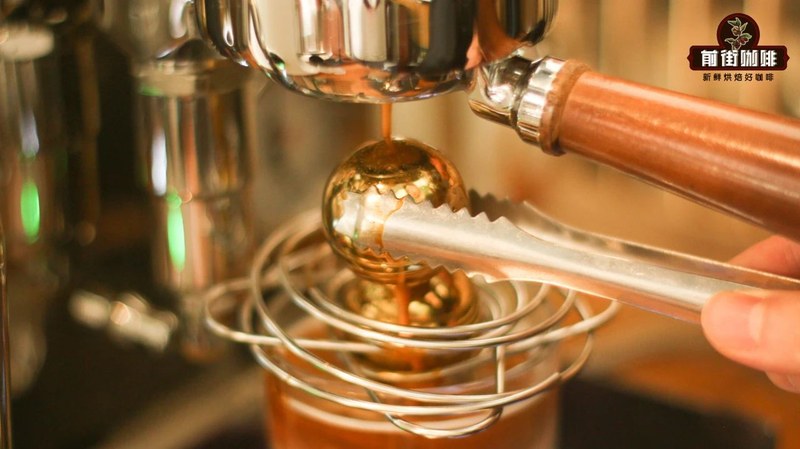
In actual Moka pot operation, watching how the liquid comes out of the upper chamber is the most intuitive way to check your plan. When the coffee flows out golden with fine crema rising gently, it means the grind and temperature are well matched; if the flow is too fast or even sputters, fine-tune the grind or lower the heat; if the flow is sluggish and the color is dark, coarsen the grind appropriately to ensure a smooth cup within the heating time.
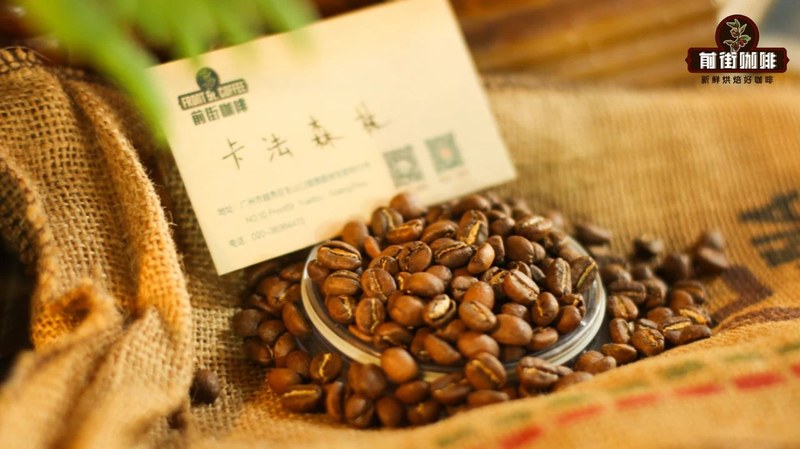
Master the roasting characteristics of coffee beans and match them accordingly with the right grind, water temperature and extraction rhythm, and the Moka pot can steadily present rich layers of flavor in daily life. Whether it is the warmth of nuts and caramel, the fullness of dark-roasted herbs, or the light balance of island coffee, a tailored brewing plan lets every cup show moving flavor details.
Related Reading


Comments (0)
Loading comments...
You May Be Interested


Trending Reviews
Popular Videos

With you, wherever you are! We provide useful features to help you find new things you'll love






