The tape
Coffee kept sliding on Wednesday. December arabica (KCZ26) closed down 5.65 cents, or 1.97%, hovering near 269 cents per pound, while January ICE robusta (RMF27) lost $52, or 1.69%, and tagged its lowest level in 2.75 years. The theme is unchanged: expectations of a swelling global surplus are being confirmed by the data, week after week, and Brazil is doing most of the confirming.
A record queue at the grading dock
The starkest number of the week came from ICE: 246,647 bags of Brazilian coffee were awaiting grading at exchange warehouses as of Wednesday, the most in 3.75 years. Every bag that passes grading is added to the certified-stock figures — the deliverable supply that futures prices must ultimately converge toward. Grading takes one to two weeks, longer at these volumes, so a meaningful rebuild of certified stocks is now a matter of when, not if.
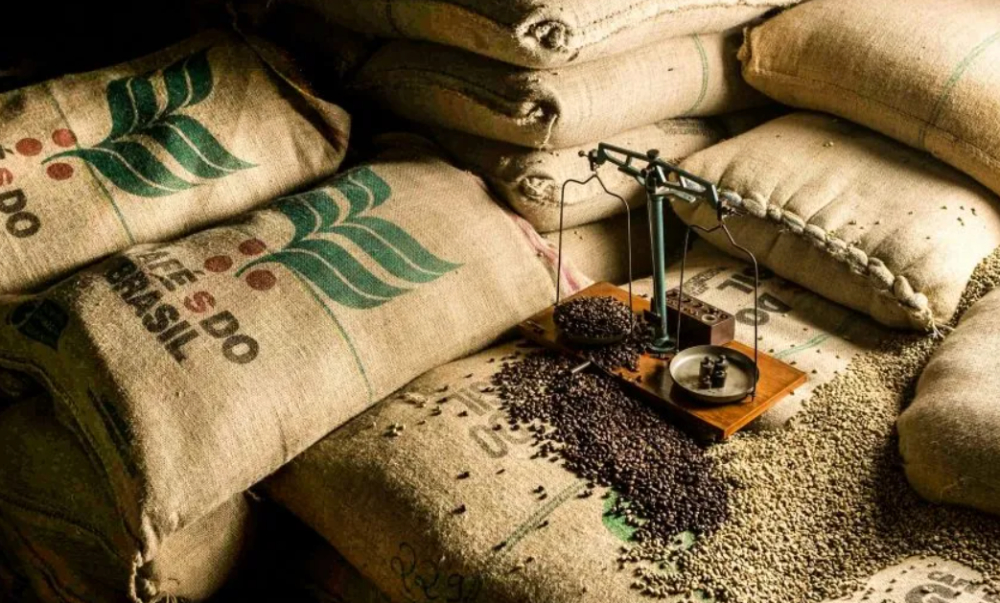
Brazilian coffee has been arriving at ICE warehouses at a rapid clip since mid-September; inventories of Brazilian origin inside the warehouses hit a 14.25-month high of 112,682 bags last Wednesday. The gap between "arrived" and "certified" is the last cushion the bulls have left.
The real at a 19-month low keeps the export tap open
The Brazilian real tumbled to a 19-month low against the dollar on Wednesday, extending its slide since President Luiz Inacio Lula da Silva's surprise re-election victory. A weaker real fattens the local-currency return on every dollar-denominated sale, and exporters are responding: Brazil's Trade Ministry reported on November 6 that October coffee exports jumped 23% year-on-year to 287,000 tonnes. With Brazil accounting for 35-40% of world production and nearly 30% of exports per the ICO and USDA, that pace alone reshapes the global balance.
Vietnam presses robusta from both ends
The Vietnam Coffee and Cocoa Association said Monday it expects 2026/27 robusta output to rise 5% year-on-year to 2.1 million tonnes. The export data is just as heavy: October shipments surged 61% to 114,000 tonnes, January-October exports climbed 18.8% to 1.57 million tonnes, and 2025/26 production is projected at a four-year high of 1.76 million tonnes (29.4 million bags). From the world's largest robusta origin, that is pressure on both the current and the next crop.
The one genuinely bullish number: certified arabica stocks
ICE arabica inventories fell to a 27-year low of 186,414 bags on Monday — still the strongest card the bulls hold. Brazilian beans are arriving, but they have yet to show up in certified stocks in size. Robusta tells the opposite story: exchange inventories have climbed sharply since early October, touching a 1.25-year high of 6,809 lots on October 29. The two origins sit at opposite ends of the inventory cycle, which is exactly why the price action has split.
India offers robusta a small floor
India's Coffee Board cut its 2026/27 production estimate by 5% to 380,000 tonnes last Wednesday, citing below-normal monsoon rains. India is the world's fifth-largest robusta producer, and the downgrade offers a modest floor under an otherwise bleak robusta picture.
Weather: benign now, El Nino the wild card
Growing conditions remain broadly friendly. Above-normal rain during Brazil's now-critical flowering stage could boost the 2026/27 harvest, and forecaster Vaisala reports that abundant rains have improved soil moisture across Vietnam's Central Highlands. The wildcard is the super-El Nino pattern: Vietnam's Agriculture Ministry warned on October 16 that the Central Highlands could face an El Nino-driven drought from late this year into early 2027.
Zooming out: the first global surplus in five years
The bigger picture keeps getting heavier. Conab raised its 2026 Brazil crop estimate to 67.6 million bags in September — arabica up 34.8% to 48.21 million, robusta down 6.6% to 19.39 million — and the USDA's June forecast put the 2026/27 Brazilian crop at a record 71.9 million bags, up 14%. Colombia, the second-largest arabica producer, is the notable exception: its 2025/26 output fell 15% to 12.65 million bags and exports dropped 12%.
Globally, the ICO reported a record 183.6 million-bag crop for 2025/26 against consumption of 180.6 million, leaving a 3 million-bag surplus — the first in five years. The USDA expects 2026/27 output to rise another 6% to a record 189.7 million bags, with ending stocks up 1.9 million bags to 26.3 million. The supply narrative has flipped from shortage to surplus, and until the weather breaks that pattern, the path of least resistance for coffee prices is down.