Source:Best Coffee > News Author:qjroot Published:2024-11-15 18:49:09
At today's close, the benchmark for coffee bean industry prices, the US C-type coffee futures closing price surged again, reaching a high of 284.93 cents/lb, with a final closing price of 279.35 cents/lb, once again breaking the record high.
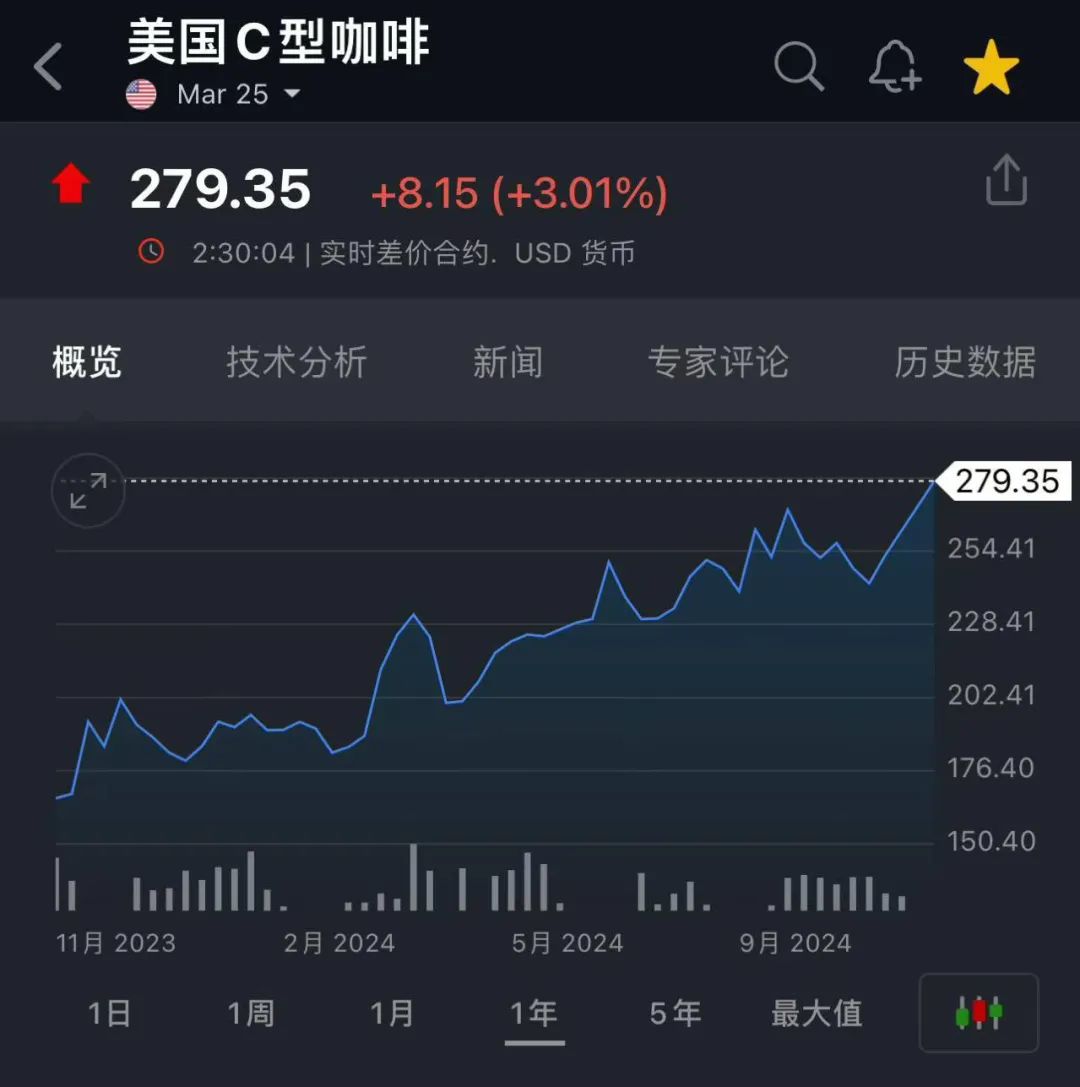
At the end of September this year, the US C-type coffee futures price had already reached 273.4 cents/lb, a price that broke records and set a nearly 10-year high. It is understood that the main reason for the price increase at the time was that multiple South American coffee-producing countries suffered severe droughts and wildfires, especially Brazil and Colombia, the world's leading coffee-producing countries, which triggered market concerns about coffee output and pushed up coffee futures prices.
However, in October the European Commission announced plans to postpone the implementation of the "Deforestation-free Regulation EUDR" by one year to 2025. Once this news emerged, it slowed the earlier large-scale coffee bean purchasing by European buyers, and therefore Arabica and Robusta coffee futures prices fell to varying degrees.
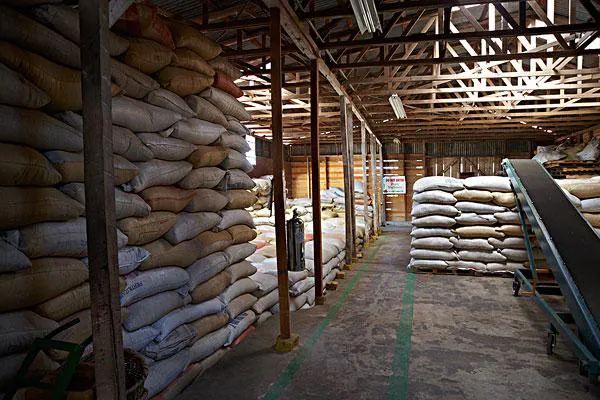
According to the latest media reports, the European Parliament voted on November 14 to postpone the implementation of the "Deforestation-Free Regulation EUDR" by 12 months and passed a series of amendments to weaken the law. Although the EUDR is confirmed to be delayed by one year, many international coffee traders still believe that the delay of the EUDR will not offset the tight global coffee supply situation, and the market still needs to pay attention to supply and demand.
Recently, after experiencing severe drought, Brazil has entered its rainy season. Although the rainy season has eased the threat brought by the drought, many coffee institutions say that the current rainfall can help severely water-depleted soil recover moisture and reduce pressure on the root systems of coffee trees. Although it is somewhat helpful to coffee production, it cannot make up for the damage caused by drought and fires to some coffee trees. In some severely affected areas, production may drop by 20% to 30%, with overall production falling 6.8%.
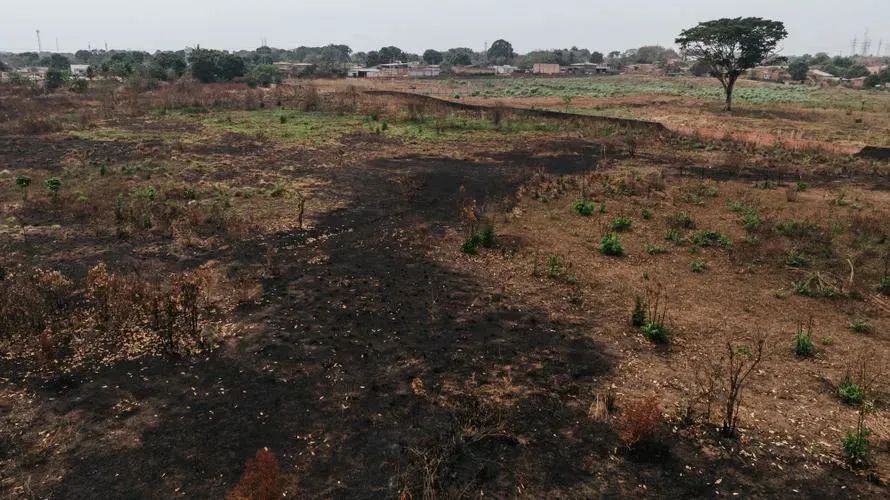
In addition, Brazil's meteorological department recently forecast that Brazil's main coffee-producing regions may once again enter a dry, rain-free climate in the coming days, further fueling market concerns about Brazil's future coffee production.
In addition, June to November each year is the hurricane season in the Americas. According to the National Oceanic and Atmospheric Administration (NOAA), the 2024 hurricane season is expected to be "extraordinary," with an 85% chance of being stronger than normal. And so it has proved: this year's hurricane season has affected not only North America but also Central and South America.
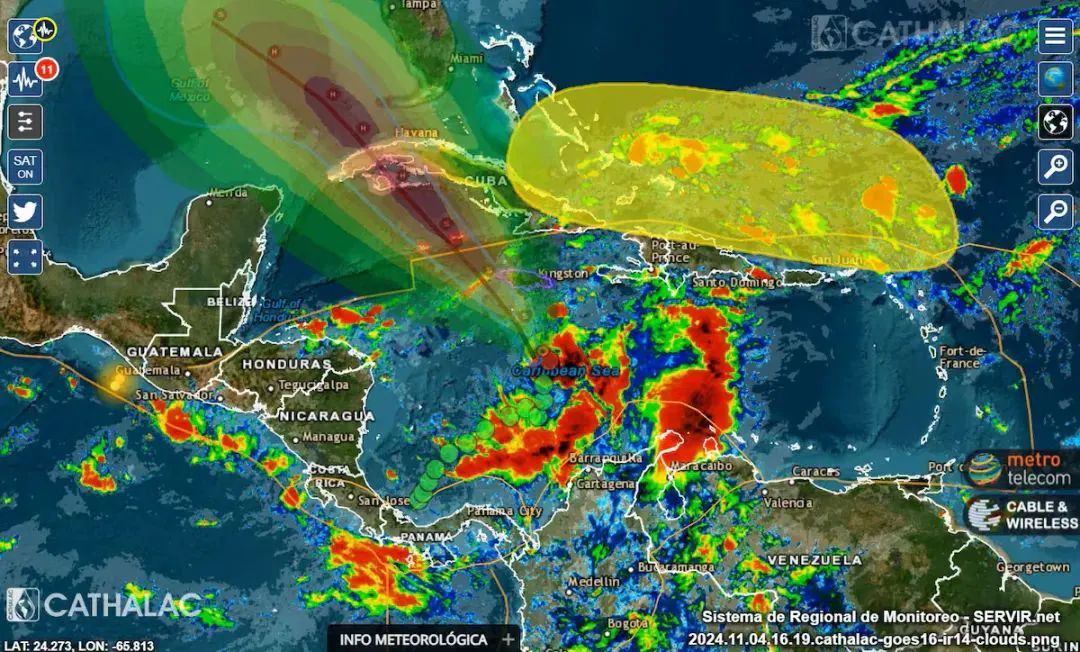
It is reported that coffee-producing countries such as Colombia, Costa Rica, Honduras and Panama have all been affected by hurricanes, with heavy rainfall, floods and landslides occurring, affecting the development of the coffee industry and the supply chain, further driving up prices.
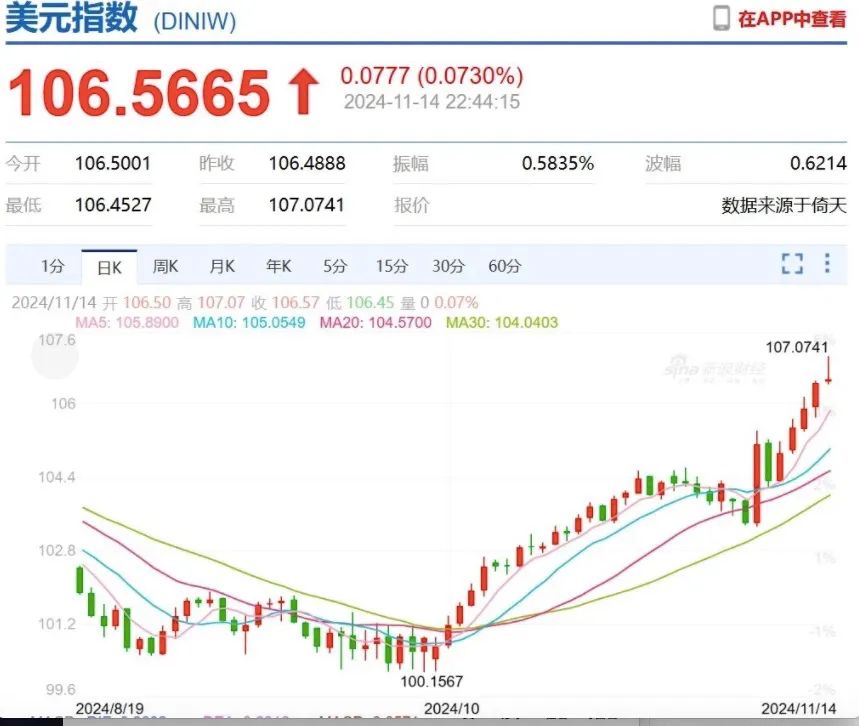
In addition, the recent US election has also affected futures price fluctuations; during the election period, the US dollar already showed an upward trend, and after Trump announced his victory, the US dollar index began to soar. On the evening of November 14, the US dollar index reached a high of 107.06, setting a record high. Coffee is a commodity priced in US dollars; when the US dollar strengthens, the cost of importing coffee priced in other currencies increases, and importers need to pay more of their currency to buy the same amount of coffee, which leads to higher coffee prices.
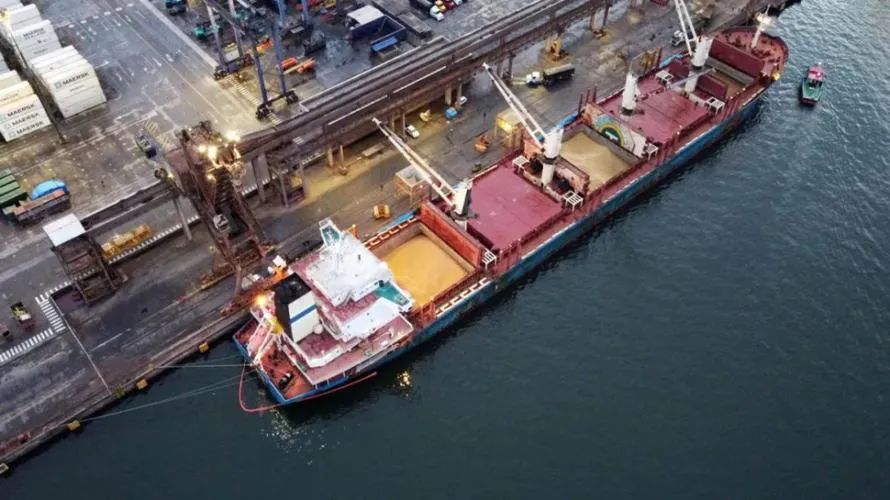
On the other hand, geopolitics and the Red Sea crisis have also been driving coffee prices higher continuously over the one-year period from last November to now, all because coffee transport relies heavily on maritime shipping. The Red Sea crisis has caused shipping costs to rise on multiple routes and extended transit times, and several African countries have also seen prices rise due to the impact of the Red Sea crisis, which has likewise pushed up coffee prices.
Recently, container shipping prices have once again risen, mainly due to port congestion and strikes at some ports on Europe-US routes. In addition, with the Christmas season approaching, a wave of shipments of foreign trade orders has emerged, leading to a shortage of containers, which has also raised coffee transport costs and driven coffee prices higher.
Taken together, these conditions and news items keep pushing coffee futures prices higher. The EU has already approved a one-year delay in the implementation of the EUDR, but given the influence of other factors, coffee futures prices may remain stubbornly high in the short term.
To learn more about coffee origins and related news, please scan the QR code to follow: Kaping
Long-press the QR code to follow:

Related Reading





Comments (0)
Loading comments...
You May Be Interested




Trending Reviews
Popular Videos

With you, wherever you are! We provide useful features to help you find new things you'll love






