Source:Best Coffee > News Author:qjroot Published:2026-08-18 10:57:12
The same estate, the same coffee tree, but just because the post-harvest processing method differs, the brewed cup can taste like two completely different coffees. Among green bean processing methods, washed and natural are two classic routes, leading coffee toward clean and bright or full-bodied sweetness respectively.
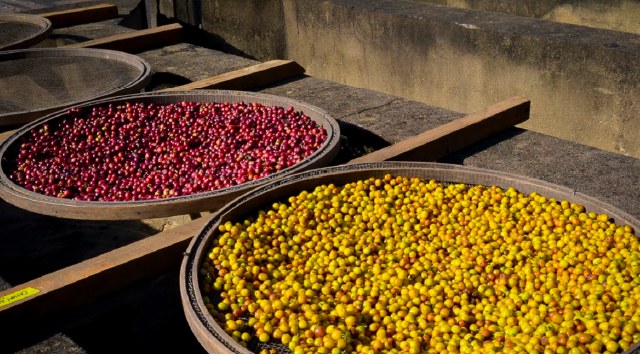
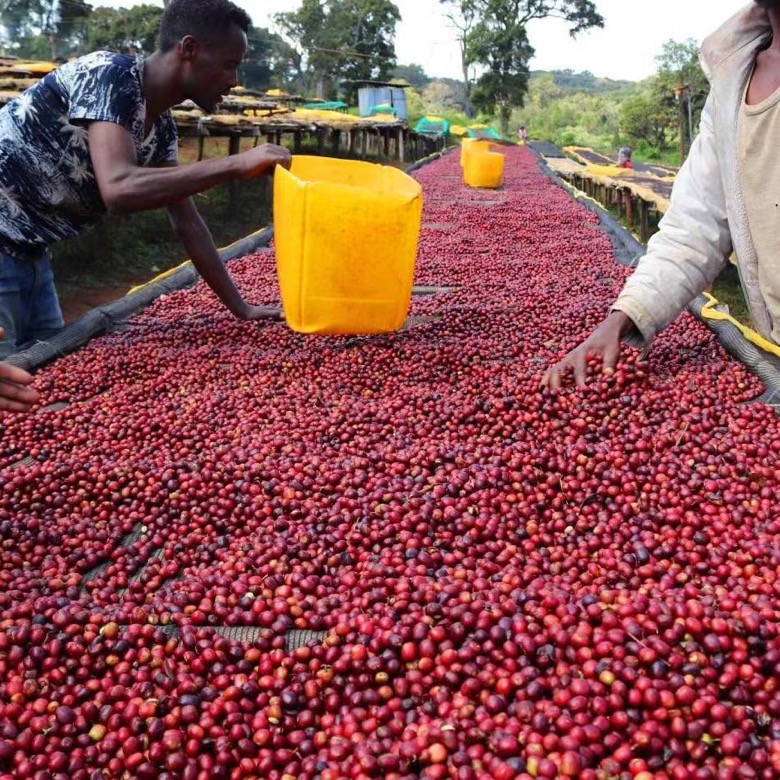
Natural processing is a method with a long history. After the coffee fruit is harvested, the whole cherries are spread out on drying beds to dry, and the sugars in the pulp and mucilage slowly seep into the coffee beans over ten to twenty-plus days, after which the dried fruit skin is removed. Because of the long contact with the pulp, natural beans often have prominent sweetness, bold fruity aromas, and a complexity that includes ripe fruit and even fermented notes.
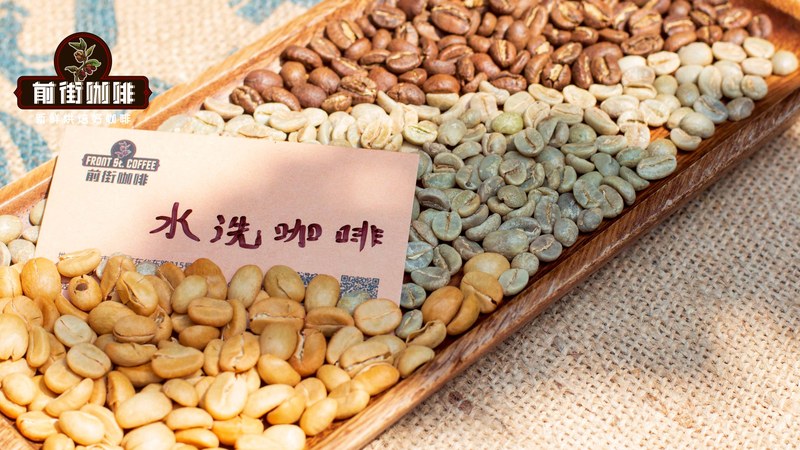
Washed processing first removes the skin and pulp of the fresh fruit, lets the mucilage-covered beans sit in a fermentation tank for a period, then rinses them clean with water, and finally dries them. With less time spent alongside the pulp, the flavor of washed beans depends more on the variety and the soil itself, with a clean mouthfeel, bright acidity, and clear flavor boundaries. Kenya's classic washed beans are often known for their bright juicy character.
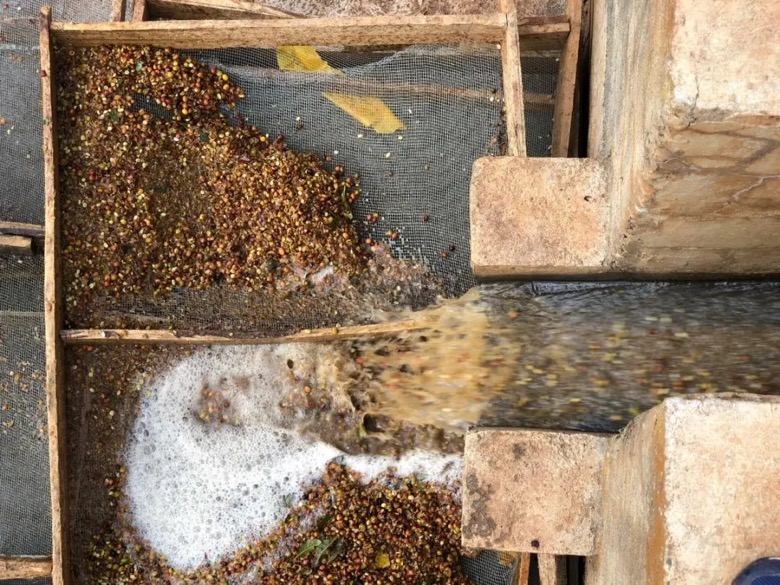
To put it simply, natural beans have more flamboyant sweetness and fruity aromas, while washed beans have more prominent cleanliness and acidity. Natural beans often taste of full-bodied aromas like strawberry, passion fruit, and fermented rice wine, while washed beans often show citrus, floral, and tea-like notes. Qianjie Kenya Small Tomato uses a 72-hour double washed fermentation, fully bringing out the fruity aromas, with a clean and pure mouthfeel and a bright acidic aroma of cherry tomatoes and smoked plum on the palate; Qianjie Grana Estate Geisha undergoes 14 to 20 days of slow natural drying, with rich and solid sweetness, abundant juiciness. Each route has its own appeal.
If you like bright acidity and clear layers, you can start with washed beans; if you like full sweetness and bold fruity aromas, natural beans will suit your taste better. Processing methods can also be layered, and new-style methods such as double washed, anaerobic natural, and double anaerobic natural will bring more complex flavors. Qianjie Colombia Sidra uses double anaerobic natural, with jasmine and citrus notes in the dry aroma, and a rich juicy mouthfeel of passion fruit and blueberry interwoven on the palate, with balanced sweetness and acidity, making it a suitable entry point for experiencing new-style processing methods.
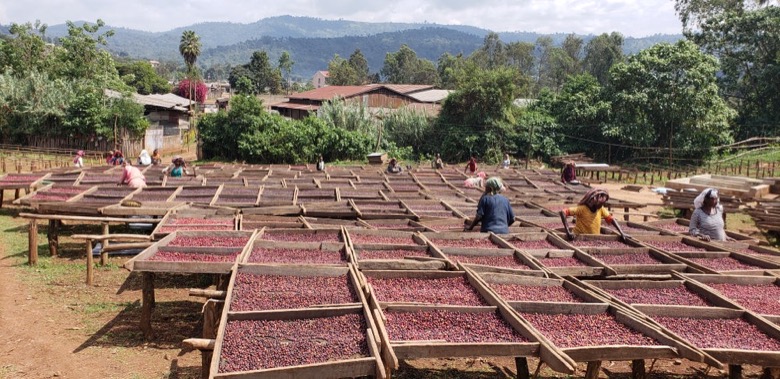
Washed and natural have no hierarchy, only a difference in style. Once you understand these two routes, when you see the words washed and natural on the packaging, you can roughly predict the direction of a cup of coffee, and have a bit more confidence when choosing beans.
Related Reading





Comments (0)
Loading comments...
You May Be Interested



Trending Reviews
Popular Videos

With you, wherever you are! We provide useful features to help you find new things you'll love






