Source:Best Coffee > News Author:Best Coffee Published:2024-12-02 11:35:10
When we drink coffee, we often discuss its flavors, such as whether it's acidic or bitter... So, apart from the inherent quality of the coffee itself, what is the relationship between these flavors and the coffee processing method?
Perhaps in specialty coffee shops, you might encounter a situation where the same origin and coffee variety are processed using different methods. For example, one Yirgacheffe is washed, while another is sun-dried, and they taste quite different. So, how does the coffee processing method affect its flavor?
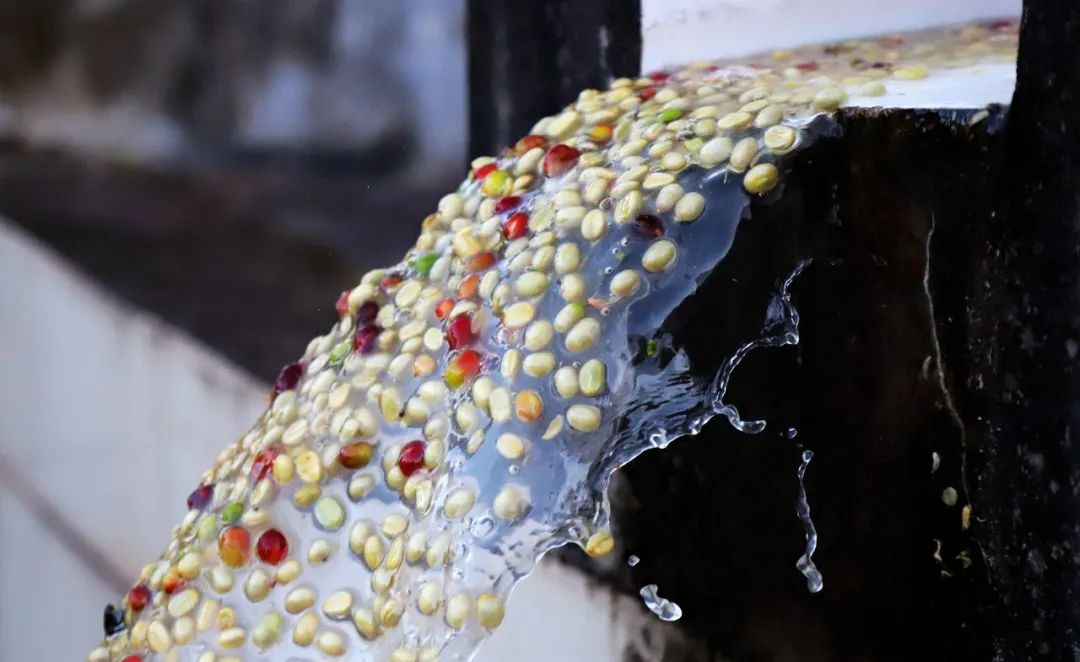
washed (wet), natural (sun-dried), and honey (pulped natural). Of course, there are many other processing methods, such as the wet-hulled process in Indonesia, but this is relatively rare.
The wet-hulled process is different from the usual washed and natural methods.
For washed, honey, or natural processed beans, the parchment layer is retained until the beans dehydrate and harden, with moisture content dropping to 12%, or until they are stored for 1–3 months of aging before being milled off.
But with the wet-hulling process, the parchment is removed while the beans are still moist and soft, with moisture content as high as 30–35%, exposing the raw bean surface directly before further sun drying.This method was developed in response to Sumatra’s humid climate, aiming to accelerate the drying process. The shortened drying time reduces the fermentation period of the coffee beans, significantly lowering acidity and increasing body. Moreover, the flavor profile features pronounced caramel and fruity notes, with subtle hints of woodiness and herbal tones—this is also the unique “terroir flavor” of Mandheling.
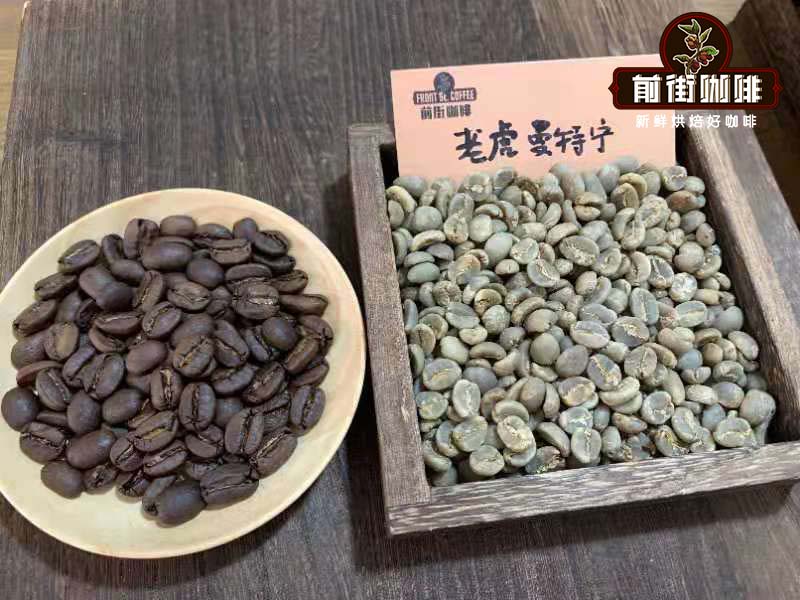
For example, this Tiger Mandheling from FrontStreet Coffee (FrontStreet Coffee)
Tiger Mandheling is grown on hillsides at around 1,500 meters. The hot and humid tropical rainforest climate brings abundant rainfall, and volcanic soil provides nutrients. But due to the constant humidity, the wet-hulling method is used to shorten the drying time. Brewed with 88°C water, sugar-granule-sized grind, Kono filter, a 1:14 coffee-to-water ratio, 30-second bloom, then single-pour brewing, it has distinct dark chocolate and cream flavors, with high clarity.
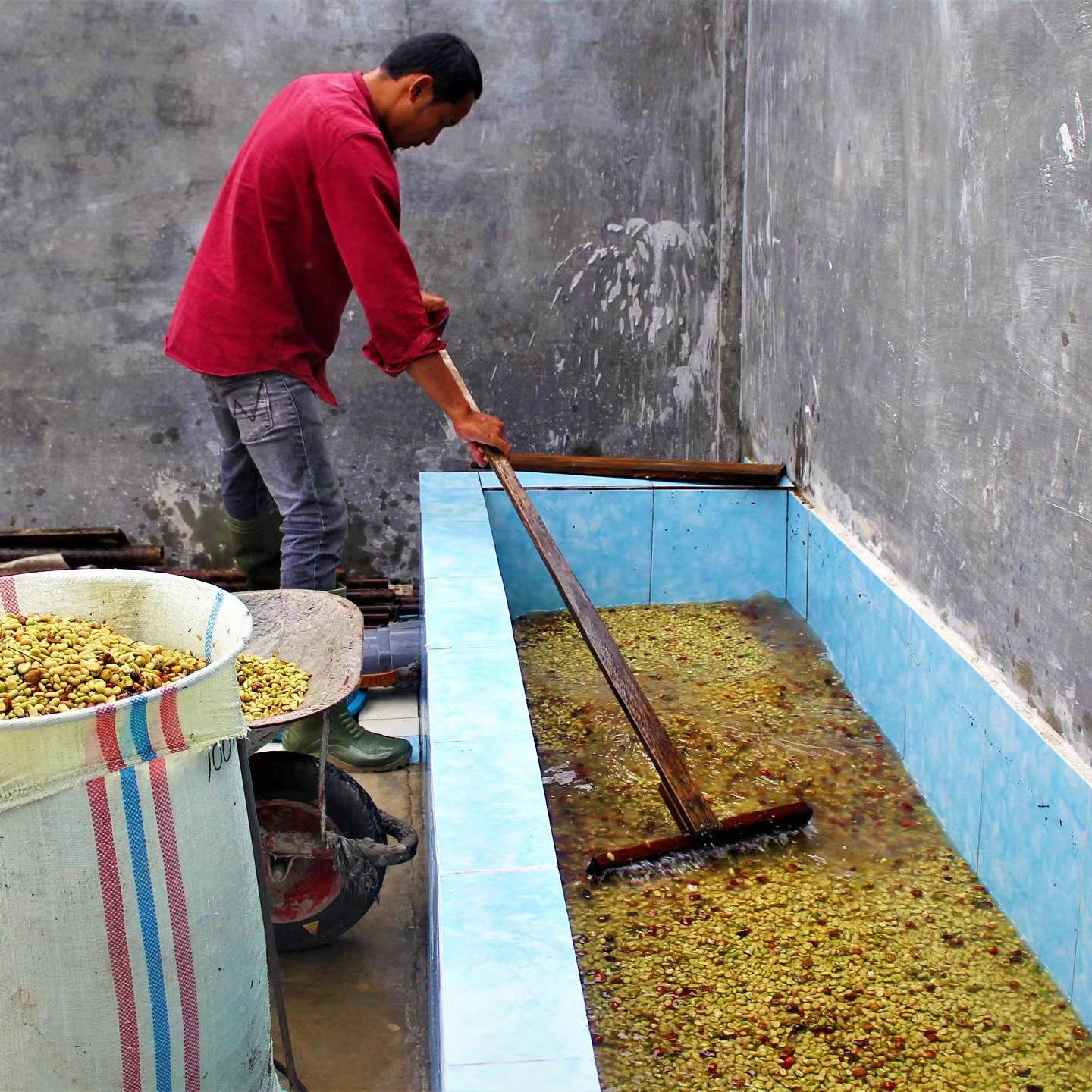
2. The dense parchment beans that sink to the bottom are rinsed slightly, then taken out and placed in a bucket or plastic bag for slight dry fermentation—that is, allowing the mucilage and sugars on the seed coat surface to ferment and enhance flavor. Basically, the longer the fermentation time, the more pronounced the acidity. Fermentation duration varies by individual, generally just a few hours, but some farms skip the dry fermentation stage and directly sun-dry the parchment beans, which can reduce acidity and enhance viscous mouthfeel, allowing the mucilage sugars to fully ferment and boost flavor. Typically, fermentation time ranges between 12–36 hours, depending on specific conditions.
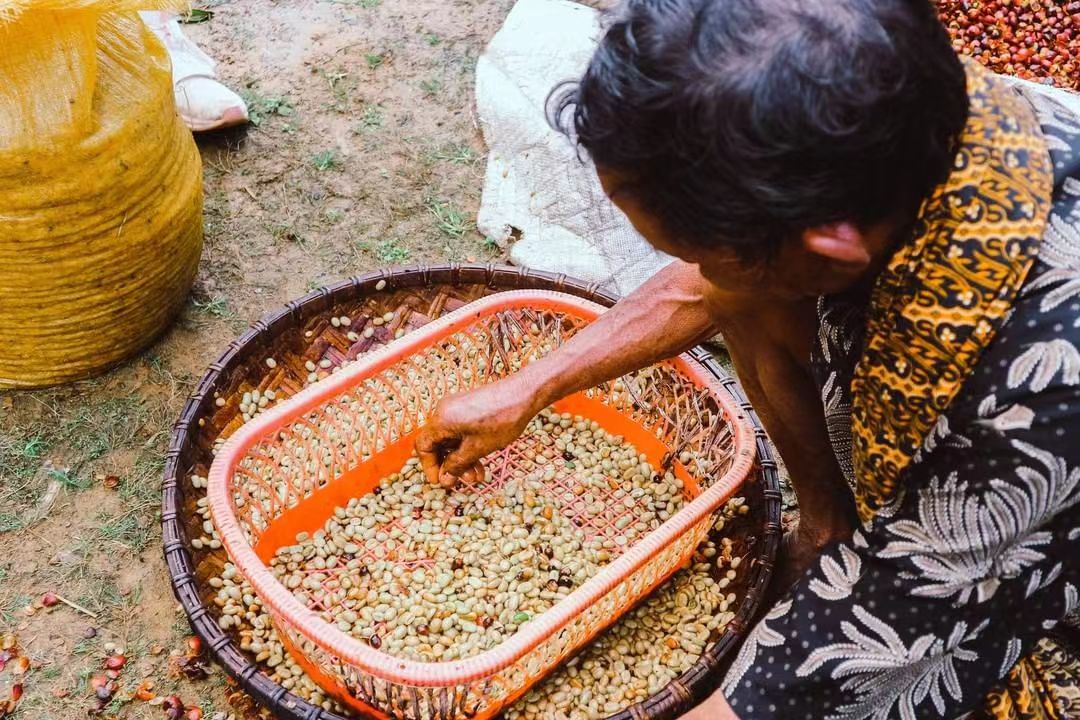
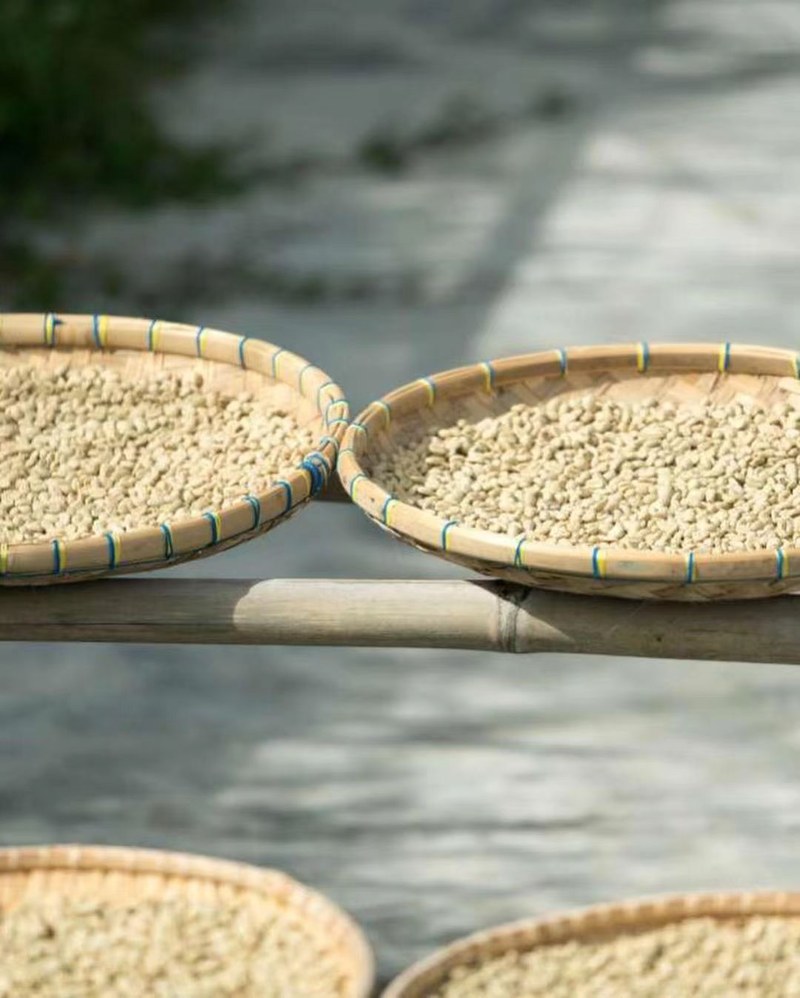
3. The parchment-covered beans are sun-dried for one to two days until their moisture content reaches 30%-50%. At this stage, the beans remain semi-hard and semi-soft. A hulling machine is then used to scrape off the husk before sun-drying again, which accelerates the drying process. After about two more days, when the moisture content drops to around 12%-13%, the coffee beans are collected into woven sacks, typically 40 kilograms or 80 kilograms per bag, and sent to the coffee processing factory for hulling. The entire process takes about four days in total.
Of course, accidents can happen.
During the hulling process, the temperature of the coffee beans can rise to 30–60 degrees Celsius, and the parchment is completely destroyed, which may trigger the beans to begin germinating.
The wet-hulling process also results in a much higher rate of defective beans such as moldy beans, as the beans are directly exposed to air after the parchment is removed during production, compared to washed and natural methods.
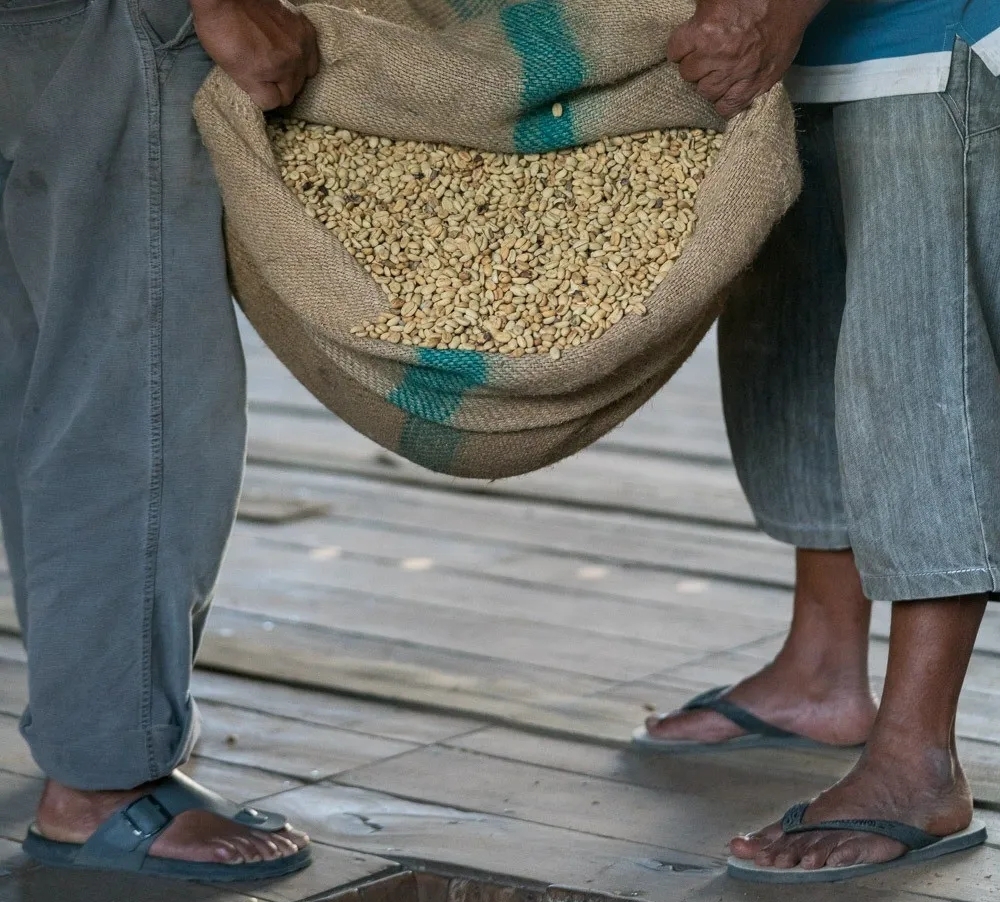 ⟦U12⟧"https://v3.coffeecdn.cn/uploadfile/ueditor/image/202412/1733110388a26317.jpg" The head of the roastery often reports to academia that some coffee beans affected by mold, once cleaned thoroughly, actually yield better flavors, while others are hardly palatable—the issue seems related to the type of mold. Perhaps it’s possible to suppress harmful molds and introduce beneficial ones, much like what’s known in winemaking as “controlling wild yeasts” and “cultivating elegant yeasts.” But which molds enhance coffee flavor? Which are bad? Further research is still needed. "https://v3.coffeecdn.cn/uploadfile/ueditor/image/202412/1733110409ca9e6f.jpg" Goat Hoof Beans
Related Reading





Comments (0)
Loading comments...
You May Be Interested




Trending Reviews
Popular Videos

With you, wherever you are! We provide useful features to help you find new things you'll love






