Source:Best Coffee > News Author:qjroot Published:2024-12-14 18:49:14
When it comes to the most acidic coffee, everyone thinks of Kenya; after all, Kenyan coffee is famous for its clean, refreshing cup, with a solid, bright, juice-like acidity. In China, you often see Kenyan "AA" or "AB" on offer, and some are even labeled "AA TOP." What do these mean, and are the differences between them big?
First, you need to know that coffee beans are an agricultural product, and product quality can vary, so every coffee-producing country establishes a classification and grading system for coffee beans, with the aim of producing homogeneous commercial lots that meet established quality standards, thereby promoting a fair pricing system.
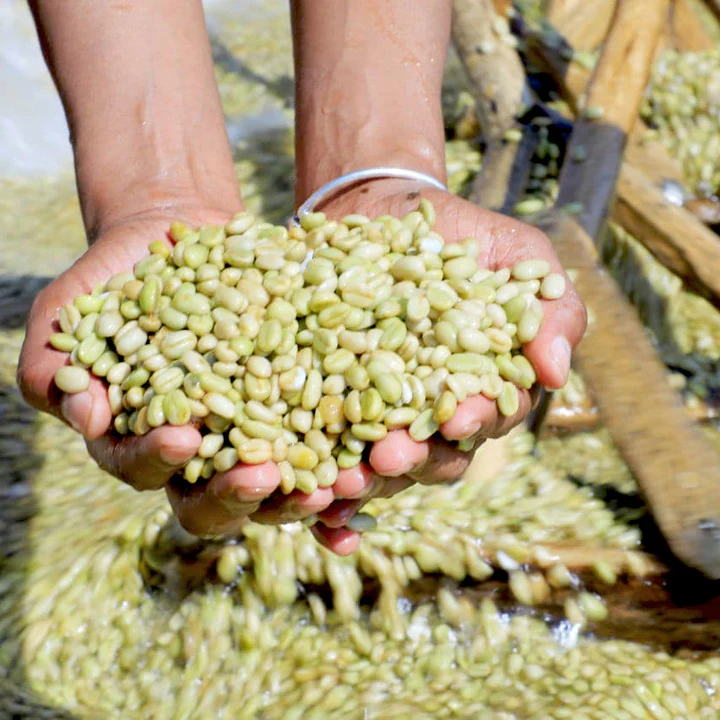
Kenya is no exception. At present, Kenya grades coffee by bean size as well as shape, color and density, generally using bean size and quality as indicators, dividing it into 8 grades: AA, AB, PB, C, E, TT, T, and MH/ML8. "AA" and "AB" are two of them, and these two grades are also the most common in China.
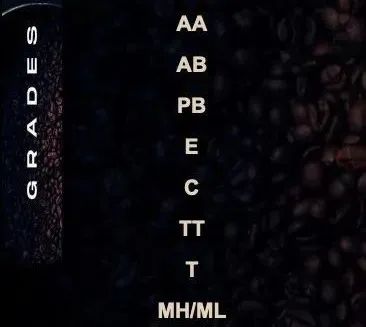
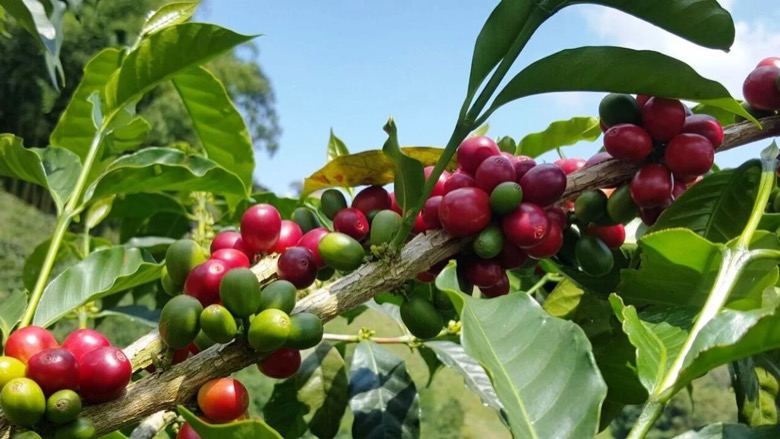
In Kenya, the main coffee varieties grown are SL28, SL34, Batian, K7 and Ruiru11. These varieties share one common trait, namely large beans, so in theory, the larger the coffee bean, the higher the quality.
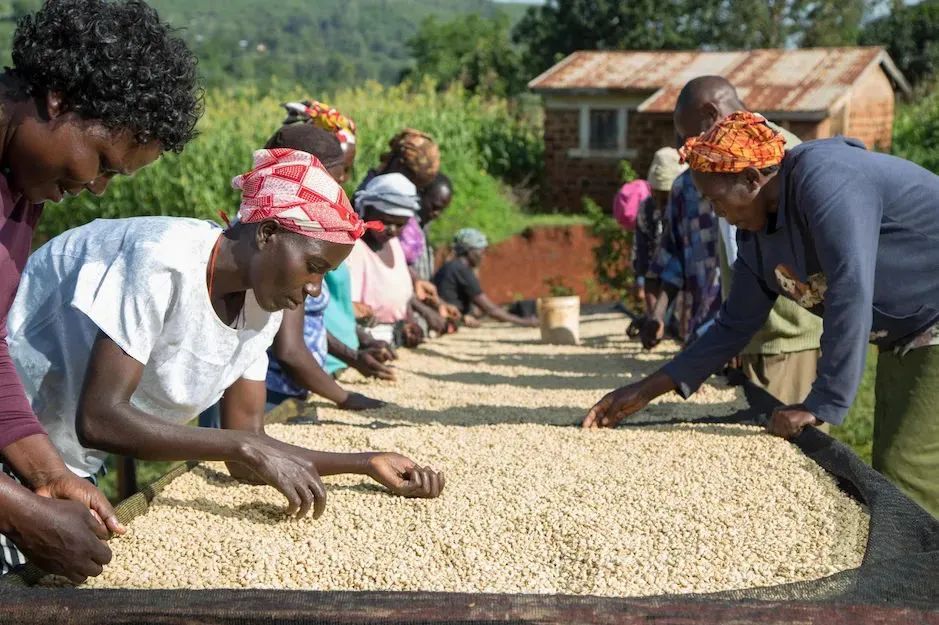
AA-grade coffee beans are between 17 and 18 screen sizes, with good density; they are recognized locally as high quality and have an elegant taste and flavor. AB-grade coffee beans are between 16 and 17 screen sizes. Although AB-grade beans are not as high in quality as AA-grade, they are more affordable in price, and because their output is the highest, with about 40% of coffee falling into the AB grade, they are very popular.
In addition, the country has two distinctive bean-shape grades. One is the round green bean Peaberry (PB), which refers to a coffee fruit that, instead of the usual two flat beans, contains only one round bean. The other distinctive bean shape is the Elephant bean (Grade E); this bean is formed when two coffee beans become intertwined during development, creating one very large coffee bean with a screen size of 21 or above. Both are abnormally developed specialty coffee beans. Among Kenyan coffee beans, only 5% are Peaberry (PB), and Elephant beans (E) are even rarer, so they are relatively scarce on the market and sell at a higher price.
Grade C coffee beans have a screen size between 12 and 14 and are smaller in size. TT-grade coffee beans are light beans sorted from Grades E, AA and AB by an air classifier, while T-grade consists of defective beans selected from Grade C coffee beans, so neither belongs to the specialty coffee grade. MH/ML coffee is considered low-quality coffee beans, usually containing some underripe and overripe beans, so it is not exported and is sold only domestically.
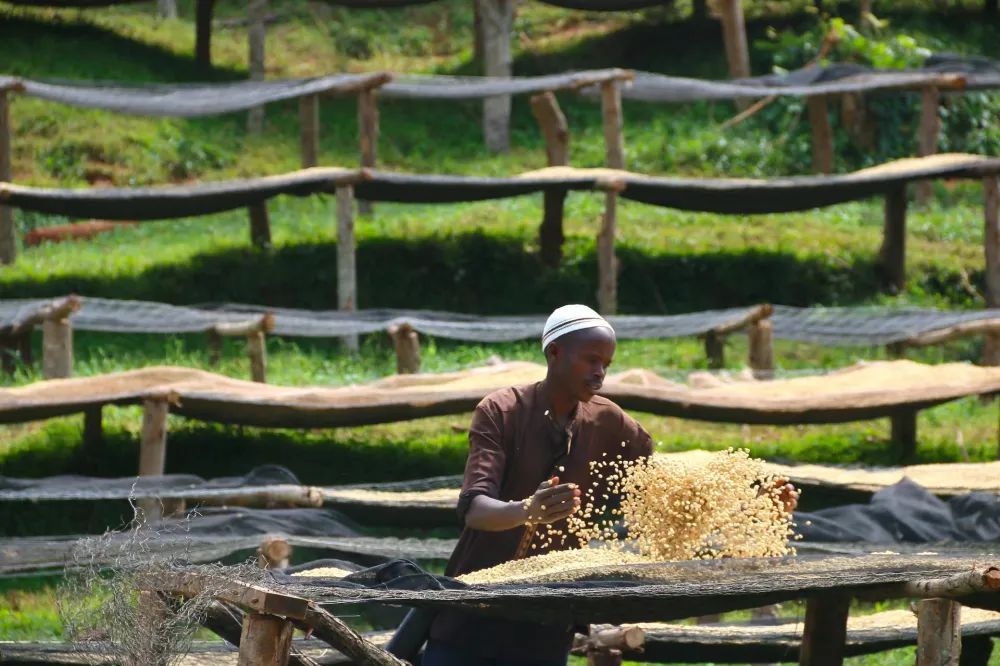
However, the size of coffee beans does not directly determine whether the coffee tastes good or bad, so some Kenyan coffee exporters or green bean traders use their own set of coffee grading methods to grade exported coffee a second time. They are mainly divided by cupping score into "TOP", "Plus (+)" and "FAQ". However, this grading is not officially certified by Kenya, and because each merchant's standards differ, it serves only as a reference; ultimately it still depends on the actual performance of the coffee beans.
Moreover, in the early days, coffee was introduced to Kenya only during the British colonial period, and Britain developed the coffee economy during the colonial period, which made Kenya's entire system lean toward more refined management. In terms of coffee selection and breeding, grading and processing methods, it far surpassed many coffee-producing countries at the time. Therefore, generally reaching the two grades AA and AB is already recognized locally as having a high-quality taste and flavor.
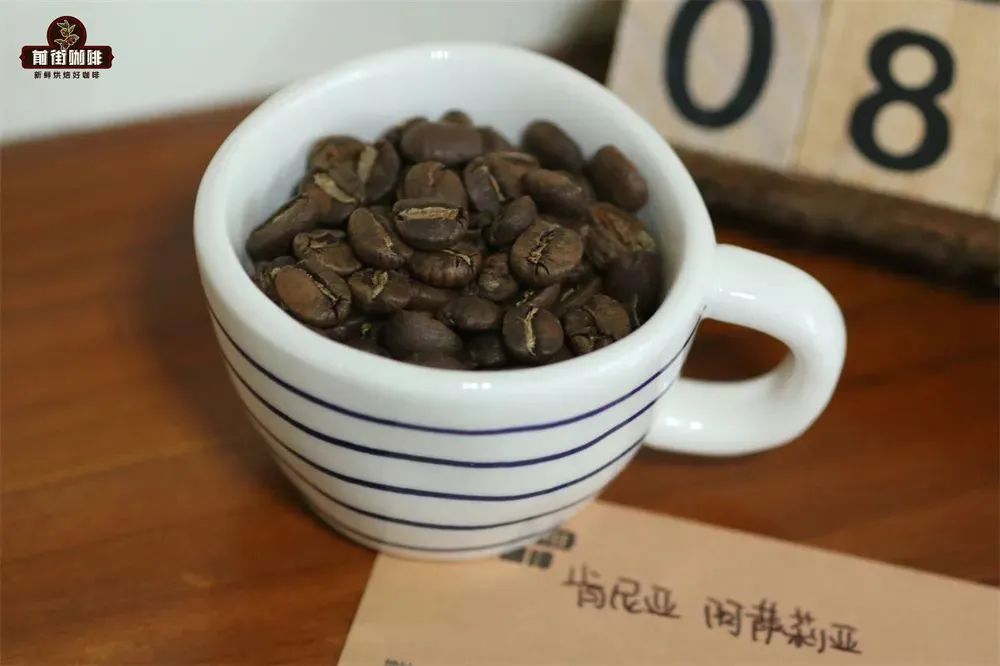
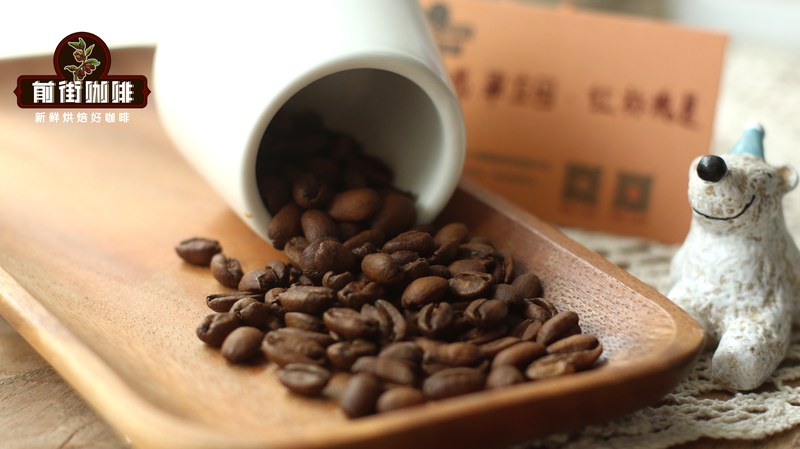
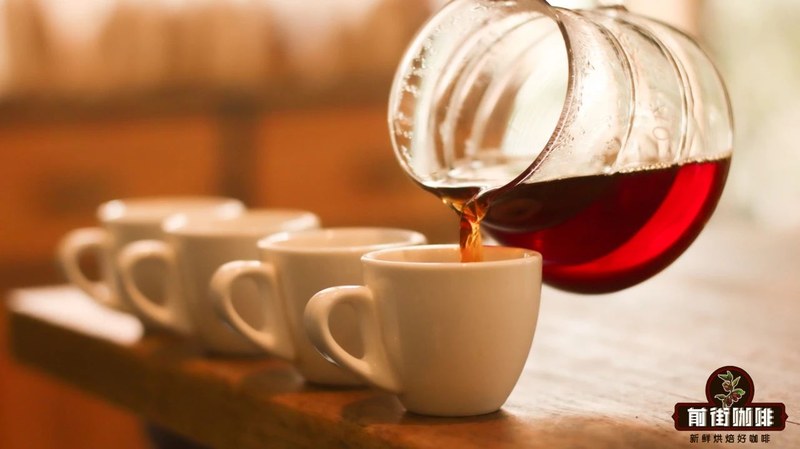
At present, Best Coffee has only one Kenyan coffee, and that is the K72 washed coffee beans produced by the Asaliya processing plant in the Thika region, using the commonly seen Kenyan SL28 and SL34 varieties, AA grade. Because these beans are plump and round, and in order to highlight the solid, bright fruit acidity of Kenyan coffee, Best Coffee uses a light roast; when brewed it has notes of cherry tomato and smoked plum, juice-like acidity, and a refreshing, soft mouthfeel.
To learn more about coffee origins and information, please scan the QR code to follow: Coffee Review
Long-press the QR code to follow:

Related Reading

Comments (0)
Loading comments...
You May Be Interested


Trending Reviews
Popular Videos

With you, wherever you are! We provide useful features to help you find new things you'll love






