Source:Best Coffee > News Author:qjroot Published:2026-10-09 09:31:06
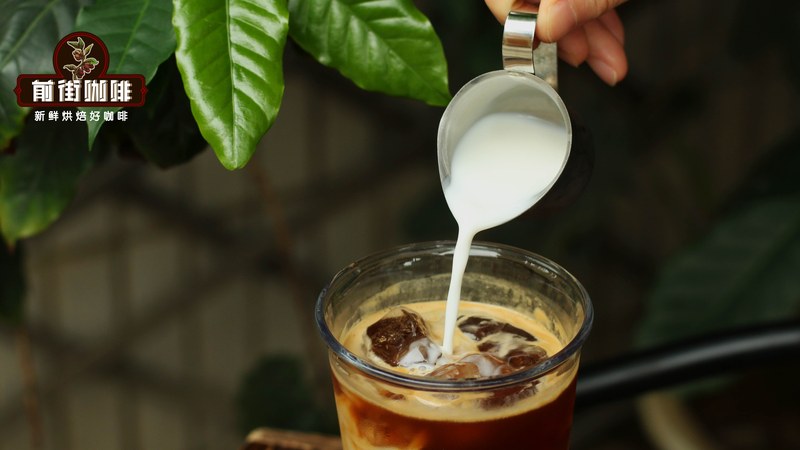
Dirty is what everyone commonly calls dirty coffee, and its core pleasure lies in the layered structure. When making this drink at home with a semi-automatic machine, we pull freshly extracted espresso directly into cold milk. The high-temperature crema floats above the low-temperature milk, forming a visible boundary line. This boundary line is extremely unstable; as time passes, heat conducts downward, and the crema slowly collapses and dissolves. If you hold the cup and take small sips, your lips only touch the upper layer of espresso. After a few sips, the crema is drunk up, leaving more than half a cup of cold milk. The contrast between hot and cold instantly disappears, and the entire drink degenerates into an ordinary iced milk coffee. The essence of drinking in big gulps is to break this separation, letting the espresso and milk enter the mouth at the same time, completing the full taste experience before the layers dissipate.
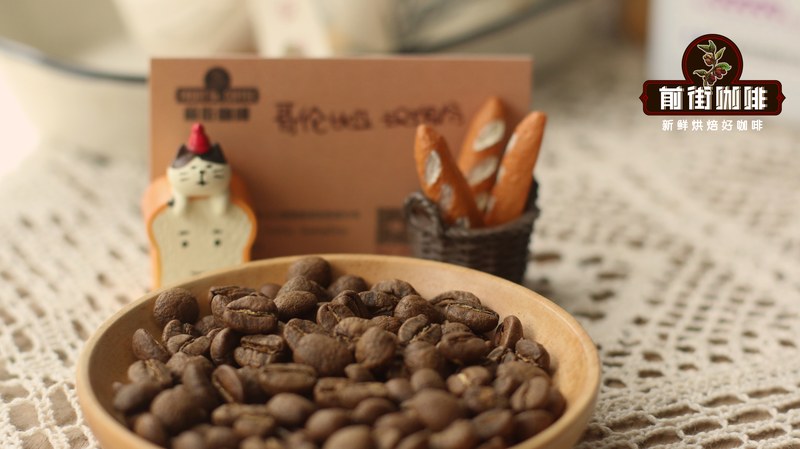
The impact of the first sip is especially direct. As your lips just touch the surface, what you contact is the warm espresso, carrying the aroma of freshly extracted nuts and dark chocolate, with bitterness and body spreading across the tip of the tongue. The intensity of this moment depends on the beans you choose. Qianjie Signature Blend uses a combination of two origins, Brazil Cerrado and Colombia Huila. The medium-dark roast brings out caramel-like sweetness and a comfortable bitterness, smooth on the entry and naturally connecting with the milk. Qianjie Classic Blend follows the Mamba route, with Indonesian Mandheling and Brazil Red Bourbon as the base, plus a little Robusta to boost the crema performance. Under the medium-dark roast, the aroma of butter and spice is obvious, and the mouthfeel is rich and warm. Both blends make Dirty with a very solid first-sip richness, and the thickness of the crema can hold up against the collision with cold milk.
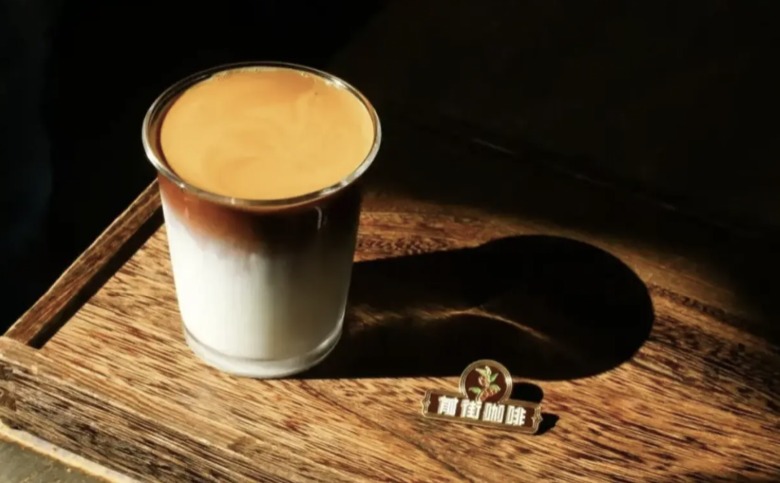
From the second sip, an obvious temperature game appears in the mouth. The residual heat of the espresso has not yet dissipated, and cold milk surges up from the bottom of the cup, with hot and cold flickering alternately on the tongue. This alternation is not chaotic but layered: the front section is the mellow bitterness of coffee, the middle section drops sharply in temperature, and the tail section begins to lift with milk sweetness. Qianjie Mandheling performs outstandingly in this stage. This classic work from an Indonesian origin, after medium-dark roasting, has high body and obvious sweet aftertaste. Its nutty and dark chocolate base, after colliding with cold milk, releases a flavor similar to silky nut chocolate. Qianjie Yirgacheffe Red Cherry SOE takes another route, sun-dried and medium roasted, with soft citrus acidity hidden in the creamy chocolate richness. When paired with milk, the sweetness is clear and almost no bitterness shows, and the hot-cold alternation of the second sip leans more toward freshness.
By the time you reach the bottom of the cup, the sweetness of the milk completely takes over. At this point there is not much espresso left in the upper layer, but the residual flavor compounds are enough to keep the whole cup of milk from being monotonous. The lactose sweetness of the cold milk itself, mixed with the aftertaste of coffee crema, forms a clean finish. The pleasure at this stage depends largely on the quality and temperature of the milk. It is recommended to use about 150 ml of refrigerated fresh milk, keep the finished cup volume between 180 and 220 ml, and do not add ice cubes throughout. Ice cubes will dilute the concentration and also accelerate the collapse of the layers. The cup is best frozen in advance for 10 minutes, or at least kept ice-cold, to slow the downward transfer of heat and let the three-stage taste changes unfold more calmly.
The shape of the cup has a subtle influence on the experience. A cup with a narrow mouth and vertical walls has a small contact area between espresso and milk, so the layers last longer and the flavor ratio in each sip is more stable; a wide, short cup accelerates fusion and suits people who like a gentle transition. When operating at home, you can place the cup directly under the brewing head to shorten the falling distance of the espresso and reduce crema rupture. For extraction parameters, use 18 to 22 g of grounds, control the extraction time to 25 to 30 seconds, and obtain about 40 g of coffee liquid, with a grounds-to-liquid ratio of roughly 1:2. This concentration can both suppress the dilution of cold milk and avoid being so bitter that it masks the milk sweetness.
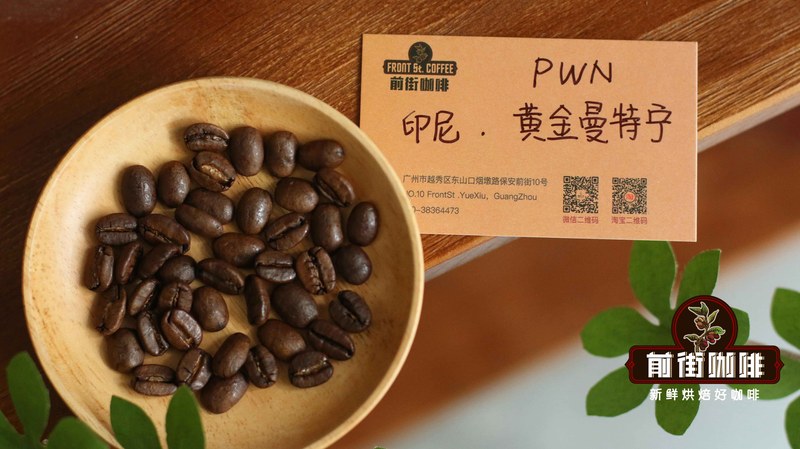
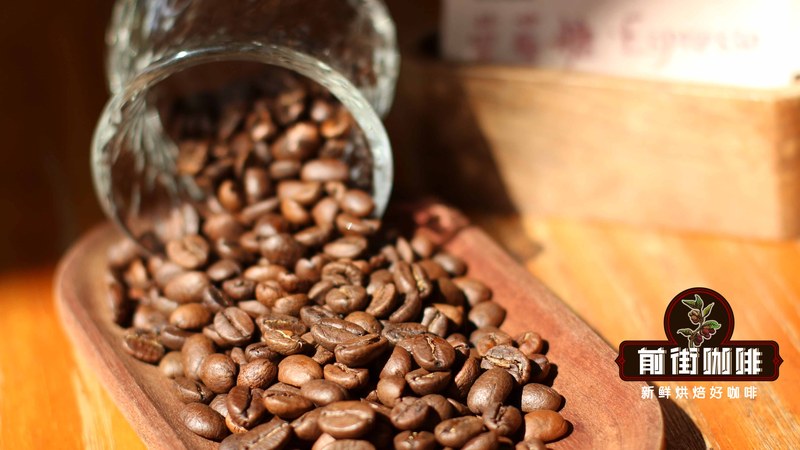
Qianjie beans ship very quickly. After receiving them, rest them for four or five days before use, and finish them within a month for more stable flavor. The degassing during the resting period makes extraction more stable, and the fineness of the crema also improves, so the boundary line when making Dirty will be clearer and longer-lasting. There is no need to be rigid about bean selection. If you like rich, mellow bitterness, go toward Qianjie Classic Blend or Qianjie Mandheling; if you prefer fresh sweetness, try Qianjie Yirgacheffe Red Cherry SOE; if you want balance and smoothness, Qianjie Signature Blend is very reliable. The charm of Dirty is that it compresses the intensity of coffee and the gentleness of milk into the same time and space. Only by drinking in big gulps can you fully catch this compressed release.
Related Reading

Comments (0)
Loading comments...
You May Be Interested


Trending Reviews
Popular Videos

With you, wherever you are! We provide useful features to help you find new things you'll love






