Source:Best Coffee > News Author:qjroot Published:2026-08-17 16:25:21
Many people who have just gotten into coffee have thought about one question: if I only have one bag of beans at home, can it satisfy pour-over, French press and espresso at the same time? The answer is yes, but the same bag of beans, brewed in different ways, can taste more different than you might imagine. Understanding the differences between these three ways of drinking coffee is more interesting than agonizing over "whether I should buy dedicated beans."
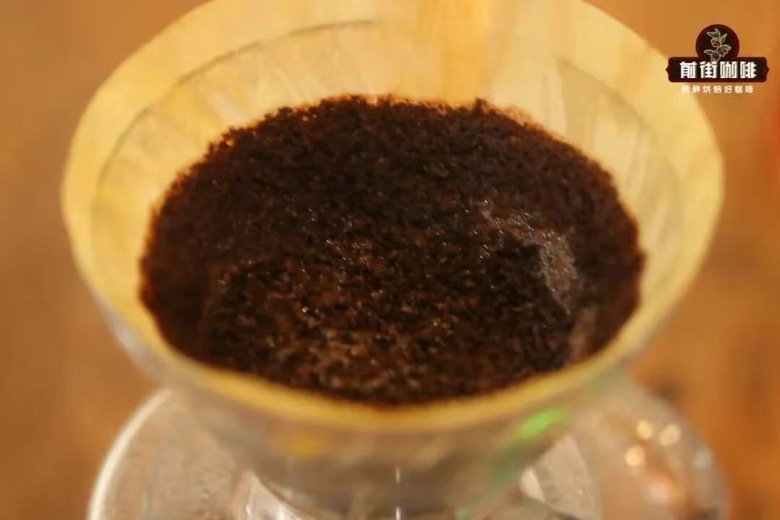
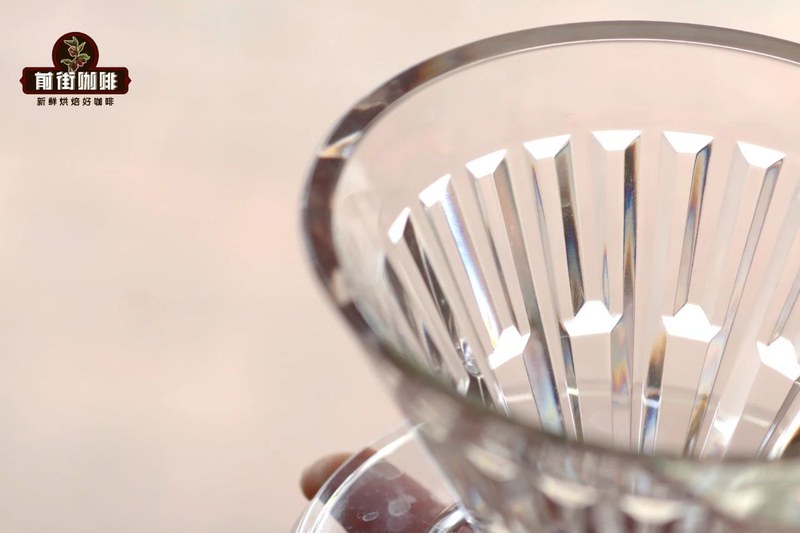
Pour-over uses a paper filter, and the water passes evenly through the coffee grounds, making it a clear extraction method. It can spread out the bean's acidity and floral and fruity aromas layer by layer, with distinct layers, and it is suited to expressing the aroma details of light-roasted beans. Take a bean like Qianjie Colombia Sidra, a double anaerobic natural; brewed as pour-over, the juicy feel of passion fruit, blueberry and grape comes through very clearly, with bright, refreshing acidity; while switching to iced pour-over can also highlight its smooth, fresh grape-juice mouthfeel, making it a summer drink.
A French press uses a metal mesh filter to press and filter, so the oils and fine particles in the coffee stay in the cup, giving a fuller body and amplifying sweetness even more. With the same bean, French press brewing often comes out thicker than pour-over, with the flavors more "huddled together." Qianjie Brazil Queen's Estate is very suitable for this method: the aromas of nuts and cocoa are rich, the caramel sweetness is retained more completely, and the acidity is low, so it drinks warm and lingering.
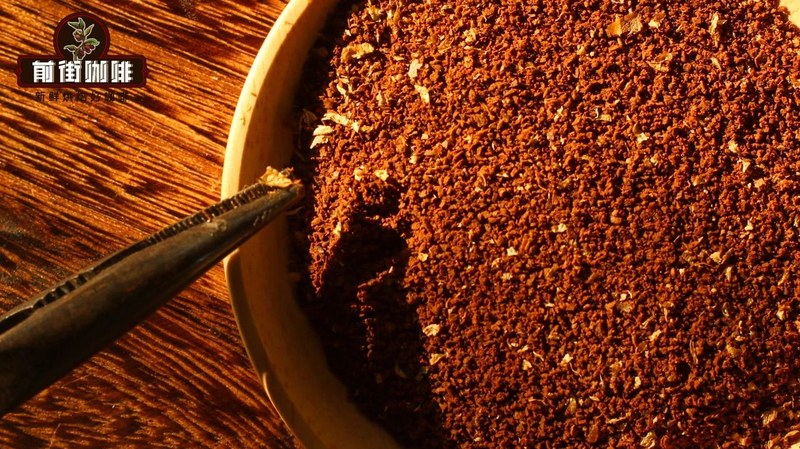
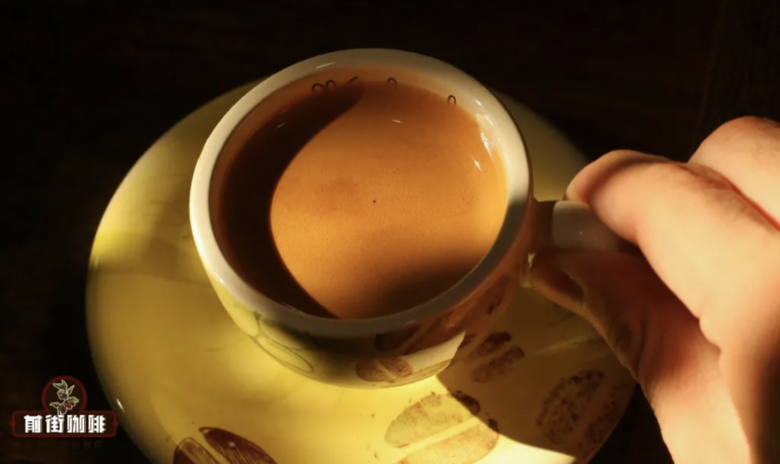
An espresso machine uses high temperature and high pressure to extract espresso within a few dozen seconds, with high concentration and rich crema, and the bean's character is amplified to an exaggerated degree. Beans designed specifically for espresso are made to match this extraction method. Qianjie Classic Blend uses the traditional Mamba recipe, and even on non-professional home machines it can extract dense, delicate crema, making it very suitable for lattes, cappuccinos and Dirty, with a full, warm mouthfeel. If you prefer fruity milk coffee, Qianjie Strawberry Candy Coffee Beans blend the original flavors of Arabica beans from different regions, recreating a distinct strawberry gummy aroma, and even people who fear bitterness will like it.

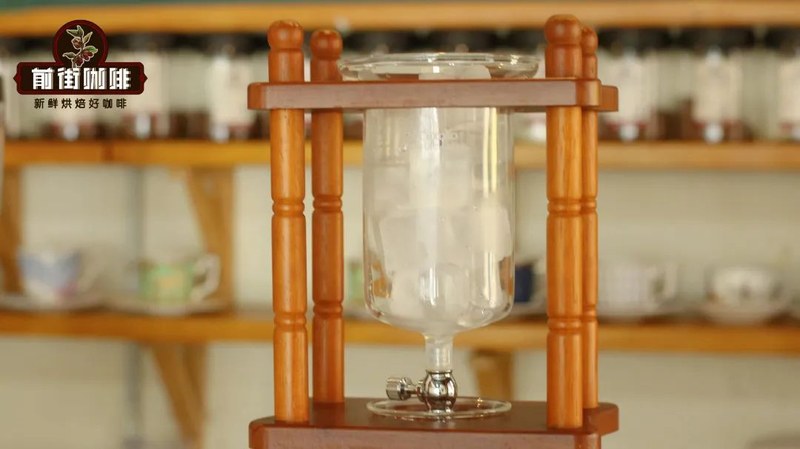
Actually, there is no need to strictly distinguish "pour-over beans" and "espresso beans." With the same bag of beans, drinking it as pour-over is its refreshing side, drinking it as French press is its full-bodied side, and putting it on an espresso machine is its concentrated side. If you want to save trouble, choose a bean with broad compatibility - Qianjie Brazil Queen's Estate is suitable for pour-over, espresso and moka pot; Qianjie Colombia Sidra is compatible with pour-over, espresso SOE, cold drip and many other methods. The brewing method changes the concentration, oils and extraction rhythm; the same bean is like the same dish made three different ways.
Next time you have a bag of beans in hand, there is no need to rush to decide how it "should" be drunk. The same bag of coffee will present three faces in a pour-over dripper, a French press and an espresso machine. Try drinking it in different ways within the same week, and you will find that surprises often come from a familiar bean meeting an unfamiliar method.
Related Reading

Comments (0)
Loading comments...
You May Be Interested


Trending Reviews
Popular Videos

With you, wherever you are! We provide useful features to help you find new things you'll love






