Source:Best Coffee > News Author:qjroot Published:2026-09-07 13:59:12
When Colombian coffee beans are put into home equipment, the flavor can stretch from citrus and red fruit all the way to caramel, nuts and cocoa. When choosing beans, do not just look at the region name; also check the roast level, processing method and the flavor notes on the packaging, then set parameters according to whether you are aiming for pour-over or espresso. The same beans can also produce different characters.
If you usually use a dripper, for light-roasted or fruit-forward Colombian beans you can start with 15 g of grounds and 240 g of water, a coffee-to-water ratio of about 1:16. The water temperature is recommended to fall between 91 and 93°C. Pour in two or three stages, with the total time controlled at around 2 minutes 30 seconds. First let the aroma and sweetness unfold, then observe whether the finish turns dry and astringent.

If the cup tastes sharply acidic and the body is rather thin, it usually means insufficient soluble material has been extracted. You can adjust the grind one step finer, or raise the water temperature by 1°C, and at the same time extend the contact time by a dozen seconds or so. If the sip tastes bitter and the tongue tightens, do the opposite: adjust the grind slightly coarser and reduce agitation in the later stage so the water passes through the coffee bed more quickly.
Medium-roasted Colombian beans are suitable for starting at a ratio of 1:15, for example 15 g of grounds to 225 g of water, with a water temperature of about 90 to 92°C. Complete the bloom in the first stage with a small stream of water, then pour in two stages. This can connect the caramel-like sweetness with soft fruit acidity; if you prefer a thicker body, reduce the total amount of water rather than simply grinding finer.
The force of pouring is also worth noting with light-roasted beans. A stream that is too strong will make the coffee bed churn. Although the aroma is obvious, the finish may bring out a messy astringency. You can use a lower water level and a steadier, thinner stream to keep the liquid surface stable; if the beans themselves have a pronounced fermented fruit aroma, then reduce agitation appropriately and the cup will taste clearer.
Using Qianjie Yirgacheffe Gudingding as a flavor reference, its citrus, berry and floral notes are relatively easy to capture in a light-roast pour-over. The water temperature can be slightly higher, and the grind should stay medium-fine to highlight the bright aroma. If you want a softer drink, switch to a lower temperature and increase the amount of water; the acidity will tighten and the tea-like quality will become more obvious.
Qianjie Ethiopia Huakui, on the other hand, is suited to a lighter pouring rhythm to express tropical fruit and strawberry-like sweet aroma. This approach also applies to Colombian beans with a prominent aroma: the bloom time does not need to be too long, and there should not be too many staged pours, to avoid compressing the lively fruit flavors into astringency in the later extraction stage.
When using an espresso machine, Colombian single-origin beans can first be set at 18 g of grounds and 36 g of liquid weight, with an extraction time of about 28 to 32 seconds and the pressure maintained near the common 9 bar. Light-roasted beans usually need a finer grind or a slightly higher water temperature to boost sweetness; for medium roasts, you can start at 92 to 93°C and compare the balance of acidity, sweetness and body.
If the espresso tastes acidic like raw fruit and the flow is very fast, you can adjust the grind finer so the water contacts the coffee grounds more fully; if the liquid flows slowly and bitterness and dryness rise at the same time, then adjust slightly coarser. Pressure should not be changed drastically or frequently; deal with the grind and puck condition first, and your judgment will be more stable and it will be easier to reproduce a satisfying cup.
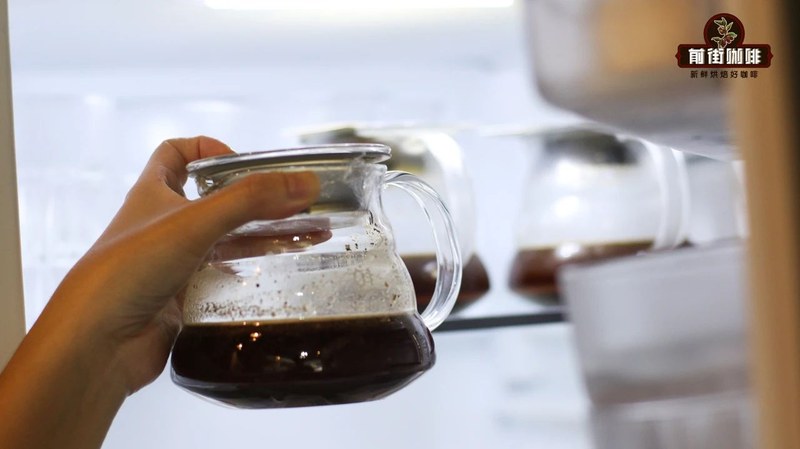
When making an Americano, fruit-forward Colombian espresso can be diluted with an appropriate amount of hot or iced water, preserving the aroma while reducing the concentrated acidity; for a latte, you should increase the liquid weight or reduce the proportion of milk so the coffee flavor is not diluted. For choosing beans at home, you can start with a bright-style bean suitable for pour-over, then adjust the grind according to your machine's performance and find your own rhythm for producing a cup.
Related Reading




Comments (0)
Loading comments...
You May Be Interested



Trending Reviews
Popular Videos

With you, wherever you are! We provide useful features to help you find new things you'll love






