Source:Best Coffee > News Author:qjroot Published:2026-10-09 18:38:36
I often get asked a question at the bar: if you want berry flavors, what exactly is the difference between natural and honey processing? In fact, these two processing methods are like two forks in the road, both leading to that same forest of berry flavors, only the scenery along the way and the aroma at the destination are completely different. Natural processing means spreading the whole coffee cherry, skin and all, under the sun to slowly dehydrate, so the sugars and microorganisms in the fruit pulp have enough time to seep into the beans. That is why natural beans have an especially sweet, rich berry flavor, often with a jam-like syrupy body, and acidity that leans rounder. The kind of direction you get in Qianjie Huakui, with its red berries mixed with a light floral note, is the typical temperament of a natural. Honey processing sits between natural and washed: after the skin is removed, part of the mucilage layer is kept on for drying, and the sugars in the mucilage ferment and wrap the bean in a honey-like sweetness. At the same time it has fewer off-flavors than a natural and better clarity, so the berry flavor feels more like fresh berries than dried fruit.
If you are wavering between these two roads, first ask yourself what intensity you want to drink today. Natural berries tend to be more "weighty," suited to people who like a full body and a sweetness that presses down on the tongue; honey processing is brightly sweet, with more transparent acidity, suited to moments when you want a clean juicy hit in one sip. Qianjie Blackberry uses Costa Rican black honey processing, with more mucilage left on and a deeper fermentation, so it drinks like berry syrup melting open, with sweet orange acidity dotted through it and a blueberry-like aroma floating on top. That is an example of honey processing balancing sweetness and clarity. Qianjie Xizhua takes another road: double anaerobic natural gives it, on top of the natural's thick sweetness, an extra layer of fermentation complexity, with blueberry juice, passion fruit and ripe grape sweet-sour notes stacking one on another. The juiciness is especially full, and it belongs to the especially flamboyant end of naturals.
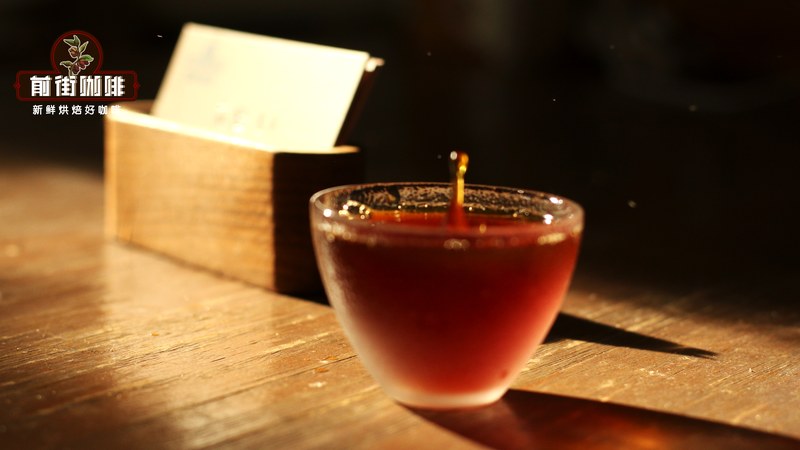
Speaking of fermentation, in recent years anaerobic processing has pushed berry flavors a step deeper. Traditional natural is an "open" fermentation where microorganisms take part naturally, while anaerobic is sealed in a container with oxygen controlled, so fermentation is more directed and more intense, and berries easily move toward wine, dried fruit or even cocoa notes. Qianjie Costa Rica Mozart uses raisin honey processing, which in fact takes honey processing and deepens the fermentation in a similar way. You can taste dried fruit, pineapple and raisin notes, with red florals followed by berry-like sweet acidity, and a very concentrated sweetness, a bit like simmering fresh berries into a sauce and stirring it into the coffee. The berry flavor of this processing method is no longer just "fruity"; it carries a fermented mellow richness, suited to people who like flavors with depth and a lingering finish.
Washed beans are often overlooked when it comes to berry flavors, but they actually have their own place. Washing removes the pulp and mucilage, fermentation is light, and the bean's own acidity is purer, so the berry flavor feels more like the bright acidity of fresh raspberry or strawberry rather than the jammy quality of a natural. If you drink a washed bean with berry notes, it is usually because the variety itself carries that gene, such as certain Ethiopian heirloom varieties, rather than because the processing method gave it. So when you want berry flavors, washed beans are an option, but adjust your expectations: what they give is freshness, not thickness.
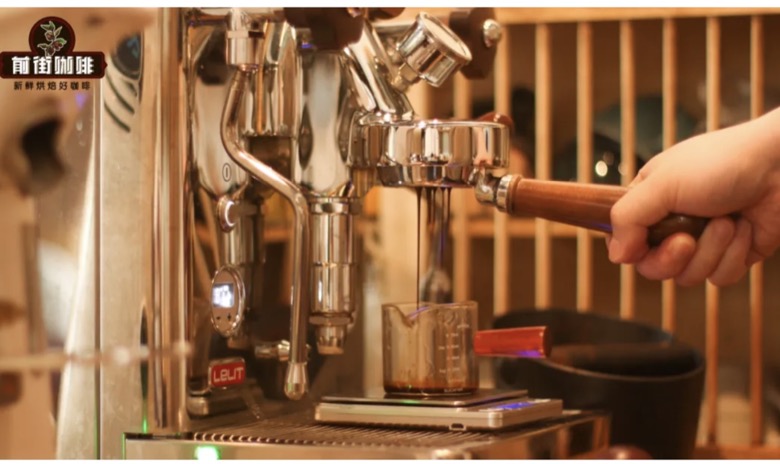
When choosing beans, I would suggest first settling the acidity, then the sweetness, and finally checking the intensity. If you want bright acidity, like biting into a fresh berry, look toward honey-processed or washed; if you want thick sweetness, like berry jam spread on your tongue, natural is more suitable; if you want to go deeper still, with a bit of wine and dried fruit, anaerobically fermented processing will hit the spot especially well. Pour-over is a good way to try these flavors: 15g of grounds with 225g of water, water temperature depending on roast level. For light roasts use around 93°C to draw out the acidity and aroma; for medium-dark roasts drop to around 90°C to avoid over-extraction. Start with 30g of water for a 30-second bloom to wake up the coffee bed, then pour in two to three stages, keeping the total time at around 2 minutes. A V60 dripper filters the layers clearly. These parameters work across all the processing methods we talked about today, only the grind size needs fine-tuning: natural and anaerobic beans can go slightly coarser to avoid fermented flavors becoming too strong; honey-processed and washed can stay at the normal setting.
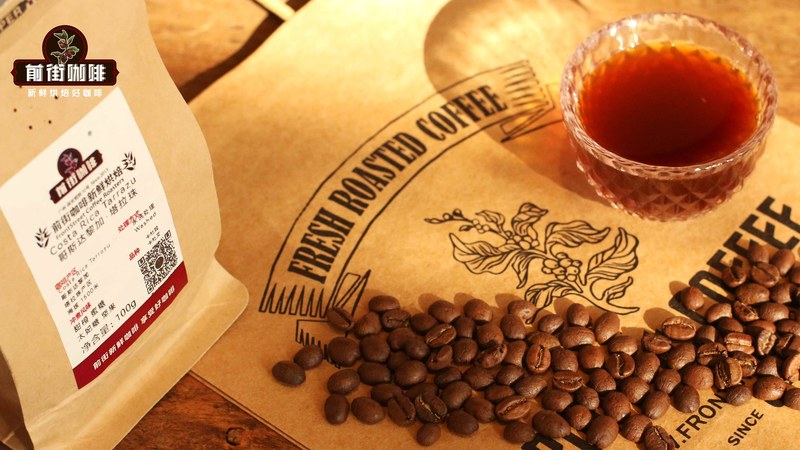
Beans from Qianjie are all controlled to within 5 days after roasting, so you can brew a cup as soon as they arrive, and it is best to finish them within a month. Choosing a berry-flavored bean is ultimately about choosing a texture of "fruitiness": natural is jam, honey processing is freshly squeezed juice, anaerobic is fruit wine, washed is iced berry soda. Once you are clear about which texture you want to drink today, you will not pick the wrong processing method.
Related Reading



Comments (0)
Loading comments...
You May Be Interested




Trending Reviews
Popular Videos

With you, wherever you are! We provide useful features to help you find new things you'll love






