Source:Best Coffee > News Author:qjroot Published:2025-05-24 14:35:55
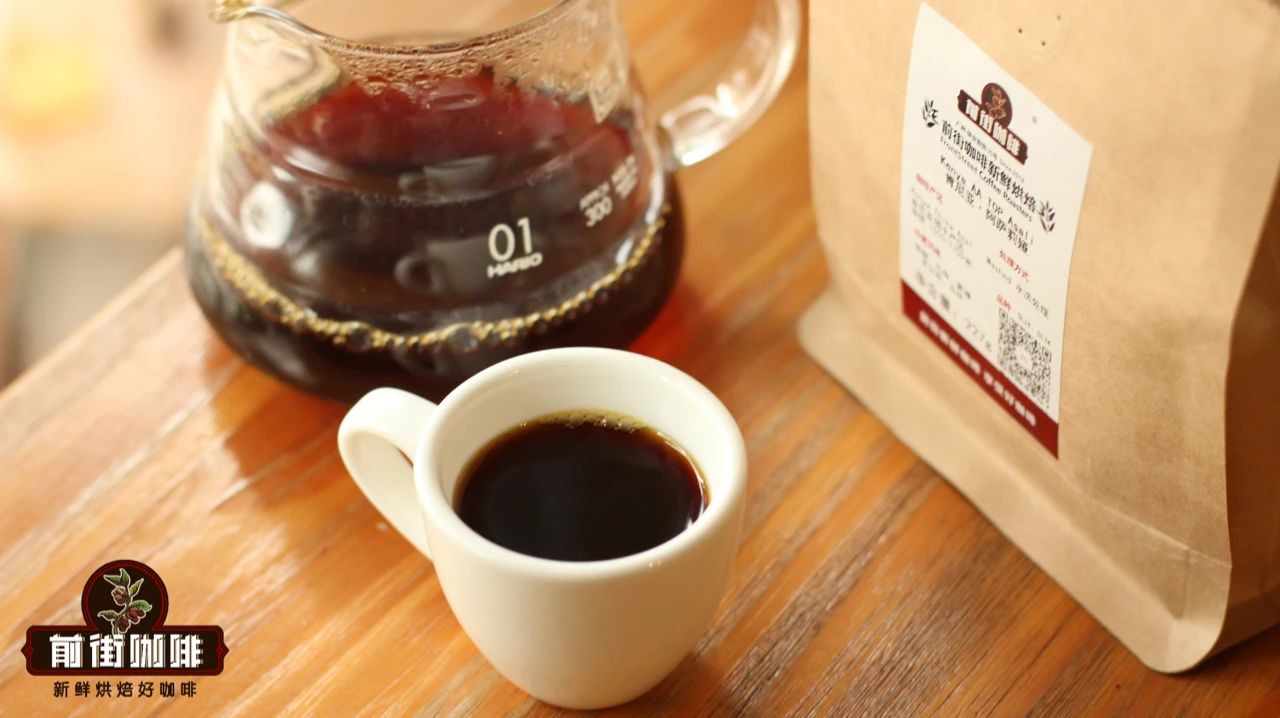
Kenyan coffee has long been renowned worldwide for its bright and complex berry-like acidity, its refreshing sugarcane sweetness and its juicy acidity, and it is loved by coffee enthusiasts around the globe. However, when buying Kenyan coffee beans, you will notice that most of the coffee produced and exported by Kenya bears the letters "AA" and the like, such as the current FrontStreet Coffee Kenya Asalia AA TOP. So what do the "AA" and "TOP" after the coffee beans mean?
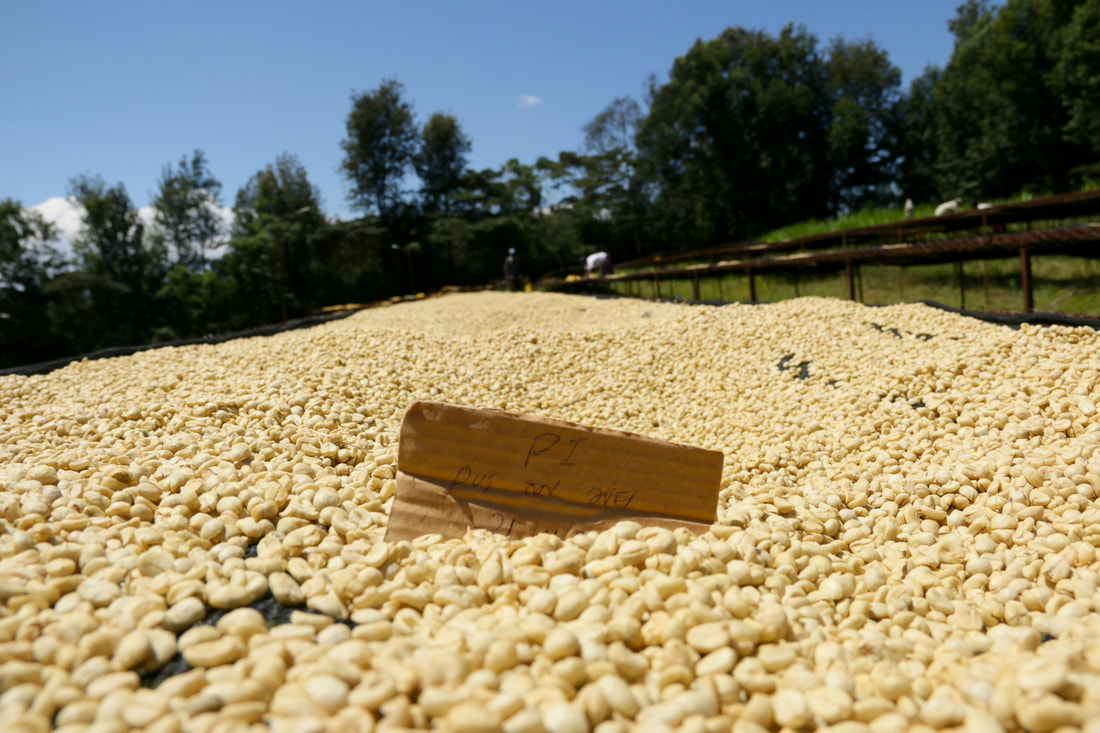
First of all, the "AA" after the coffee beans refers to the grade of these coffee beans. Coffee beans are in fact an agricultural product, so product quality varies, and therefore every coffee-producing country draws up its own classification grades according to its own national conditions. The purpose is to produce homogeneous commercial lots that meet established quality standards, thereby promoting a fair pricing system.
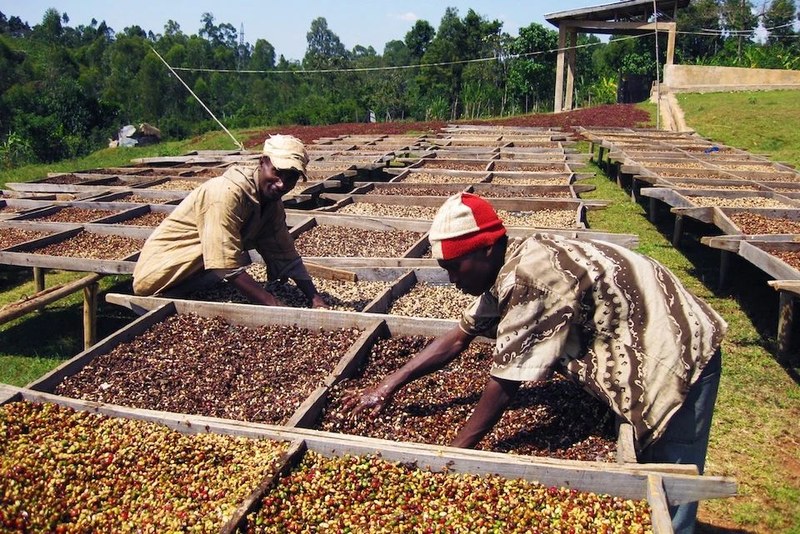
The Kenyan government established an auction system in 1934, aimed at ensuring that coffee quality is closely tied to price. Every year, thousands of Kenyan smallholder farmers gather their coffee beans through coffee cooperatives and send them to the central auction house in the capital, Nairobi. Before the auction, these coffee beans undergo a strict grading process.
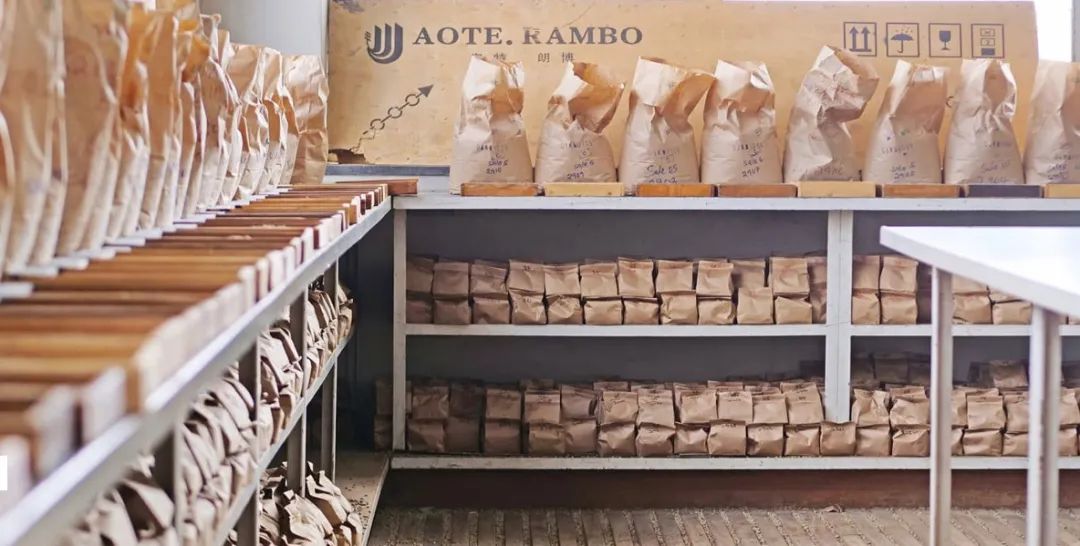
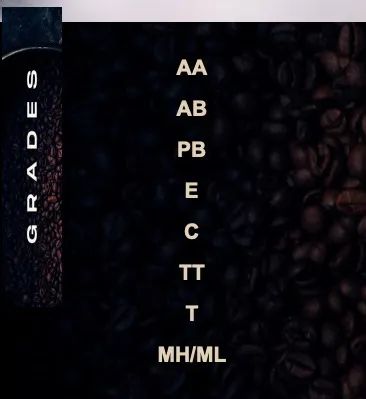
Whether for domestic sale or export, the same grading system is used. Beans are graded by size, shape, color and density, generally using bean size and quality as the indicators, all with clear regulations, divided into AA, AB, PB, C, E, TT, and T. Strict grading ensures bean quality.
Therefore, in Kenyan grading, "AA" represents the highest local grade. But in fact, the size of coffee beans cannot directly affect whether the coffee tastes good or bad; the growing environment is the main flavor influence in the coffee bean's growth process. Therefore, local coffee research institutions and green coffee bean traders use a set of coffee grading methods they have developed themselves to grade exported coffee a second time.

This system is called the Kenyan Classification Procedure by Quality Assessment, and was developed by Kenyan coffee research institutions. "TOP", "Plus (+)" and "FAQ" are the marks of secondary grading, usually noted after the original grade, and are generally classified according to cupping score.
TOP means the coffee beans score above 86 points in cupping, Plus (+) means a cupping score between 84-86 points, and FAQ means a cupping score of around 83-84. However, this system is not officially certified in Kenya, so most Kenyan beans currently available on the market are still graded by conventional size.
To learn more about coffee origins, please scan the QR code to follow: Kaping
Long-press the QR code to follow:

Related Reading


Comments (0)
Loading comments...
You May Be Interested




Trending Reviews
Popular Videos

With you, wherever you are! We provide useful features to help you find new things you'll love






