Source:Best Coffee > News Author:qjroot Published:2026-09-18 16:44:43
A dark, full-bodied, intense cup of coffee that greets the palate with smooth dark chocolate aromas and caramel sweetness often depends on using the right water. When brewing dark-roasted beans, many friends focus on the grinder setting, but in fact the dissolved mineral content in the water is the key to holding up the flavor framework of the coffee. Water that is too soft or too hard will directly change how the hot water encapsulates and extracts the soluble solids from the cell walls of dark-roasted coffee.
The total dissolved solids in water, that is, the TDS value, determines how much coffee aroma the water itself can still hold. Tap water with too high a TDS or natural water that is on the hard side, because it has too much calcium and magnesium ions and bicarbonate, tends to pull out the deep, burnt-astringent particles from dark-roasted beans at high temperatures; while water that is too pure lacks the minerals needed to link up with the aromatic substances in the coffee oils, which easily makes the whole cup taste a bit thin and hollow.
When brewing dark-roasted coffee at home, choosing natural water with a TDS between 50 and 100 ppm and moderate hardness often brings surprises. Some of the common soft bottled waters on the market, because they contain a moderate amount of magnesium ions, can draw out the cocoa and roasted nut aromas in dark-roasted coffee very well, while not absorbing the rough off-flavors from the woody fibers, allowing the finish of the coffee to show a smooth, clean caramel sweetness.
If the water on hand is especially crisp and pure, using it to brew fruity single-origin beans often makes them taste even sweeter, such as Qianjie Yirgacheffe Gudingding, which is a very good choice. This bean carries fresh citrus and berry aromas with a green-tea-like sweet, refreshing aftertaste, and brewing it with low-mineral water makes the floral and fruity notes especially light and transparent. Take 15 g of coffee grounds, pair with 89°C water, control the coffee-to-water ratio at 1:15, first pour 30 ml of water and gently bloom for 30 seconds, then pour in two stages up to 225 ml, and it is ready in a total time of 2 minutes 05 seconds.
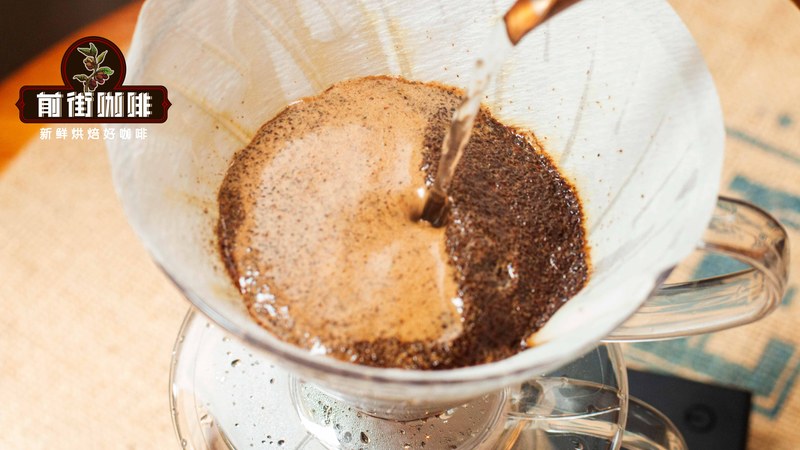
When facing coffee beans with a darker roast level, the water needs to be more forgiving. Choosing natural weakly alkaline water with a TDS of about 75 ppm can effectively soften the hot, dry sensation of dark-roasted coffee. For pour-over dark-roasted beans, you can weigh out 15 g of coffee grounds, use 88°C water, and extract at a coffee-to-water ratio of 1:15; when pouring, first use 35 ml of water for a full 30-second bloom, then use a steady, small central stream to pour in one go up to 225 ml, with the total time controlled at 1 minute 55 seconds. The black coffee brewed this way will have a solid, rich dark chocolate body.
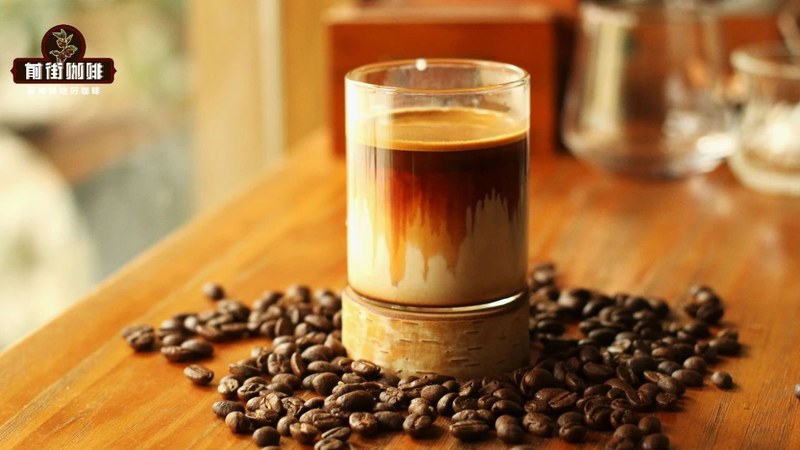
If, when choosing beans, you are after a full and ever-changing juicy texture, Qianjie Colombia Pink Bourbon can show another fascinating side. This bean is rich in vivid aromas of passion fruit, ripe grapes and apricot, with a very distinct juiciness. If you use filtered water with a TDS of about 80 ppm to make a single-origin espresso, use 18.5 g of coffee grounds, extract at constant pressure after low-pressure pre-infusion, yield 37 g, and control the total time at 27 seconds, then add an appropriate amount of iced water to make an Americano, and the aroma and crema can reach a wonderful balance.
For those who love a rich texture, making dark-roasted coffee with a moka pot is a very satisfying everyday choice. The high-temperature steam extraction of a moka pot depends especially on water quality, and it is recommended to pour preheated warm soft water directly into the lower chamber, which can shorten the time the coffee bed is heated inside the pot. Pour 110 ml of water into the lower chamber, fill the filter basket evenly with finely ground dark-roasted coffee, tighten it and place it on the stove over medium-low heat. At about 1 minute 45 seconds the coffee liquid flows out smoothly, with golden crema, and it goes down as smooth as cocoa lava.
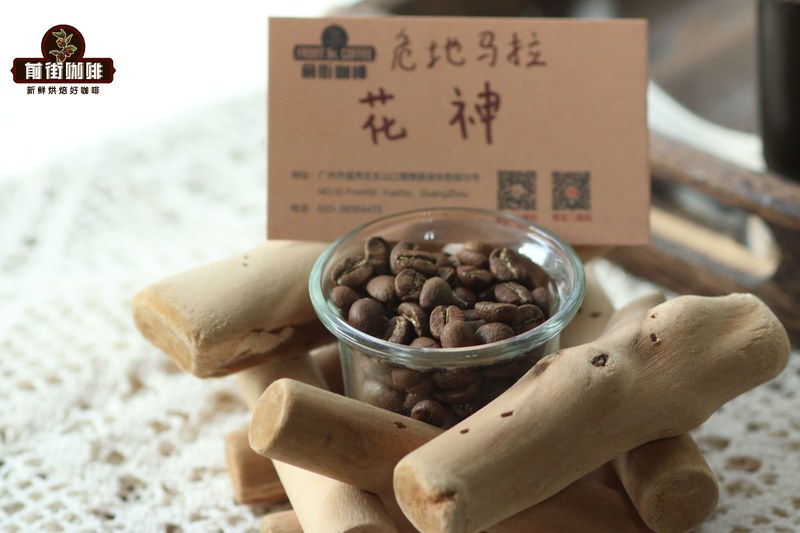
When choosing beans, you can also use your everyday household water conditions as a reference. If you live in an area with hard water and do not have water purification equipment, choosing coffee beans with a darker roast and a mainly cocoa and nut profile often lets you brew a thick, full-bodied cup, as the minerals in the water can form a good echo with the caramelized flavors of the dark roast; while in soft-water areas the water is clear and delicate, and whether brewing the creaminess of dark-roasted coffee or bringing out the brightness of high-aroma single-origin beans, there is plenty of room for adjustment.
When the mineral ratio in the water, the water temperature and the roast level find a fitting balance, the hidden flavors of dark-roasted coffee unfold completely. Pay attention to the subtle changes in the pot of water at hand, and dark-roasted coffee can not only shed its dry, hard burnt edge, but also release a warm dark chocolate aroma and a long nutty finish, so that every cup you raise brings just the right sweetness and richness.
Related Reading


Comments (0)
Loading comments...
You May Be Interested


Trending Reviews
Popular Videos

With you, wherever you are! We provide useful features to help you find new things you'll love






