Source:Best Coffee > News Author:qjroot Published:2026-08-15 10:35:24

After trying a few cups of cold brew, many people ask the same question: with the same method, why is one cold brew "juice" and another "cold bitter water"?
The answer isn't in the method, it's in the beans. Today we'll explain cold brew bean selection thoroughly from three dimensions: origin, processing method and roast level, and recommend a few beans that taste great no matter how you brew them.
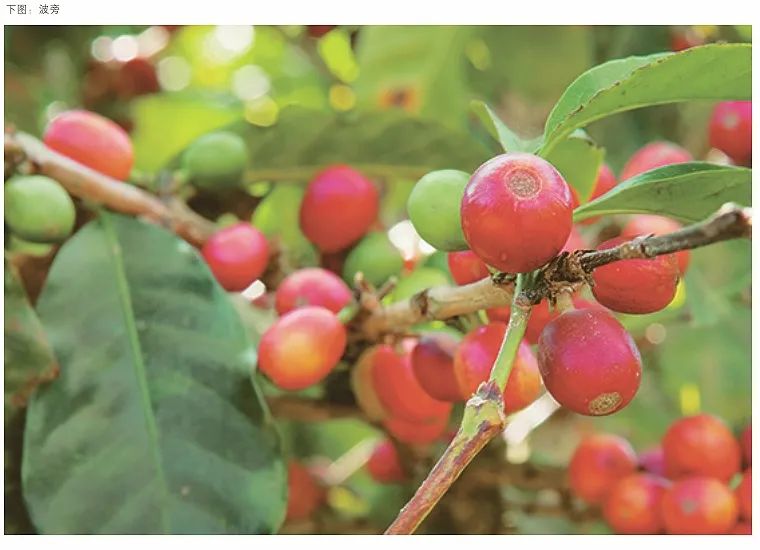
Coffee beans from different origins have completely different flavor personalities, and what cold brew excels at amplifying most is the fruit aroma of the beans themselves.
African origins are known for floral notes and fruity acidity. Ethiopian beans often have citrus, berry and floral notes; Kenyan beans are famously bright in acidity with a strong juicy feel. For cold brew, African beans are almost a natural home turf, because low-temperature slow extraction is exactly what brings out these delicate floral and fruity notes fully.
Central and South American origins have a more balanced flavor, often with layered notes of nuts, cocoa and fruit; the cold brew comes out with balanced sweetness and acidity and high acceptability. If you don't much like fruit acidity that is too "jumpy", Central and South American beans are the steadier choice.
Cold brew advice: prioritize fruity beans from African origins; if you want balance, look to Central and South America.
As coffee cherries become coffee beans, the processing method in between directly determines the direction of the flavor.
Washed processing has the cleanest mouthfeel, with bright, pure acidity and clear fruit aromas. It suits those who like a "clean juicy feel". Most Kenyan beans are washed, so the cold brew they produce has particularly clean, crisp acidity.
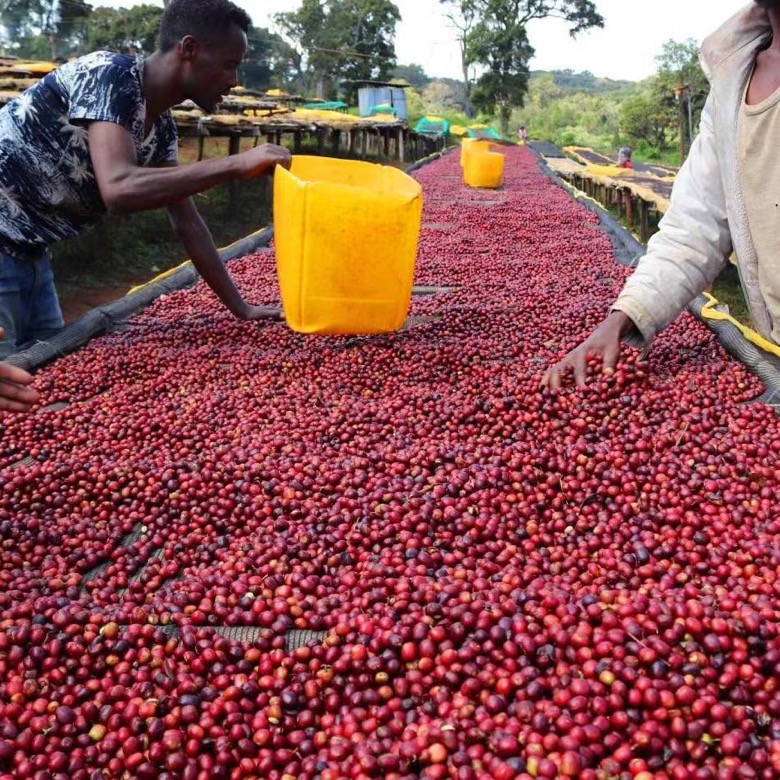
Natural processing has more sweetness, with aromas of dried fruit and fermentation, and the cold brew comes out sweeter. Cold brew made from Ethiopian natural beans often delivers intense fruity notes like blueberry and strawberry, because natural processing retains more sugars from the mucilage layer.
Anaerobic processing (including double anaerobic) has a more complex, intense flavor, often with fermented fruity notes like red wine and tropical fruit, with rich layers, and it performs very strongly in cold brew. This has been a relatively popular processing method in the specialty coffee world in recent years, and in cold brew it often brings unexpected flavor surprises.
Cold brew advice: for sweetness choose natural, for cleanliness choose washed, and if you want surprise and layers, try anaerobically processed beans.
This point is the simplest and also the most easily overlooked: the charred bitter base of dark-roasted beans cannot be suppressed even at low temperature.
For cold brew you should choose light-roasted or medium-light-roasted beans - only a roast level that retains enough fruity acidity and floral notes can fully hand the flavor over to the cup during low-temperature slow extraction. Light-roasted beans have less cell structure damage, and flavor compounds are released slowly at low temperature, so the resulting cold brew liquid has clearer layers.
If you make cold brew with a bag of dark-roasted beans, even after steeping for 12 hours it will still taste noticeably charred-bitter and smoky. That bitterness isn't something time can dilute; it is written into the beans by the roasting process.
Qianjie Colombia Sidra - an advanced sample of "anaerobic processing". Produced at Finca La Divisoria in Colombia, the same quality bean variety as competition champions, from an origin at 1650-1800 m altitude. It uses double anaerobic natural processing paired with a medium-light roast; the dry aroma is wrapped in jasmine and citrus, the sip is an intense juicy feel of passion fruit, blueberry, grape and apricot interwoven, and the finish carries a lasting cocoa sweetness. Iced pour-over and cold brew best highlight its fresh, smooth grape-juice mouthfeel.
Qianjie Kenya Little Tomato - the standard answer for "washed + variety". From the Thika region of Kenya, using SL28 and SL34 varieties, reaching the AA TOP high-grade standard. 72-hour double washed fermentation fully activates the fruit aromas, and a light roast preserves lively acidity. The sip shows clear cherry tomato and smoked plum notes, with bright, solid acidity, and the finish carries yellow sugar sweetness and a faint green tea aroma.
Qianjie Hacienda La Esmeralda Red Label Geisha - the ultimate answer for "variety". From Hacienda La Esmeralda in Panama, it has extremely elegant jasmine floral notes, along with delicate flavors like citrus, bergamot and black tea. Cold brew stretches this cleanliness and layering even wider - the refined floral notes are released slowly at low temperature, with a long finish.
Choosing beans is really choosing a "flavor combination": origin gives the foundation, processing method determines the aroma, and roast level governs bitterness. Once the answers to all three are in place, cold brew is more than half successful. This summer, keep these three dimensions in mind, and your cold brew will taste better cup by cup.
Related Reading



Comments (0)
Loading comments...
You May Be Interested



Trending Reviews
Popular Videos

With you, wherever you are! We provide useful features to help you find new things you'll love






