Source:Best Coffee > News Author:qjroot Published:2026-08-15 10:40:56
People buying pour-over coffee beans for the first time often get stuck on one tricky choice: should I buy something acidic, or something not acidic?
There is no standard answer to this question. The fun of pour-over coffee is that different beans can show completely different styles. Some people love the bright, lively lift of floral and fruity notes; others love the warm, grounded feel of the full-bodied camp. The key is to figure out which one you like.
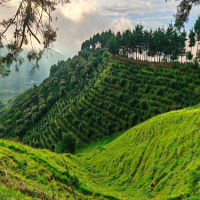
Floral and fruity coffee beans usually come from high-altitude growing regions and are given a light roast, highlighting the bean's own acidity, floral notes and fruit notes.
Common flavor keywords include citrus, berries, lemon, honey, jasmine, tropical fruit, tomato, black tea. They suit people who like a crisp, light mouthfeel, people who can accept or even enjoy fruity acidity, people who want to experience a bean's "regional personality", and people who want iced pour-over in summer.
Representative beans include Qianjie Yirgacheffe Gutingding (citrus, berries, floral notes, beginner-friendly), Qianjie Ethiopia Huakui (prominent tropical fruit aromatics, high sweetness, like fruit tea), Qianjie Kenya Little Tomato (bright acidity, cherry tomato and smoked plum notes, highly recognizable), and Qianjie Panama Hacienda La Esmeralda Red Label Geisha (jasmine, bergamot, black tea character, delicate and elegant).
The charm of the floral and fruity camp is that you can "taste the changes" - the same bean tastes different when hot, warm and cool, with very rich layering.
Full-bodied, low-acid coffee beans usually come from mid- to low-altitude growing regions and are given a medium-dark or dark roast, highlighting the nut, chocolate, caramel and herbal flavors produced by the Maillard and caramelization reactions.
Common flavor keywords include dark chocolate, nuts, caramel, cocoa, cream, brown sugar, herbs, wood. They suit people who dislike acidity, people who like a rich, heavy mouthfeel, people who want a stable everyday staple bean, and people who like hot pour-over in autumn and winter.
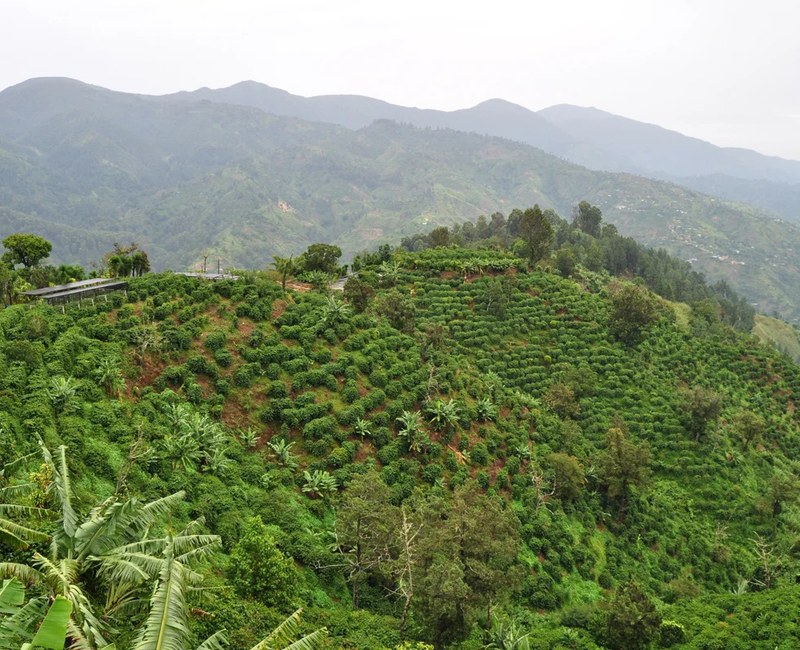
Representative beans include Qianjie PWN Indonesia Golden Mandheling (dark roast, low acid, dark chocolate, herbs, spices, thick body), Qianjie Brazil Queen's Estate (nuts, cocoa, caramel, round and balanced, a value staple), Qianjie Jamaica Blue Mountain No. 1 (balanced acidity, bitterness and sweetness, cream, chocolate, nuts, a classic that stays drinkable), and Qianjie Papua New Guinea Bird of Paradise ("Little Blue Mountain", low acid and smooth, prominent sweetness).
The advantage of the full-bodied camp is that it is "stable and easy to drink" - it does not need much brewing skill to give you a warm, smooth cup that never goes wrong.
The floral and fruity camp's main regions are Ethiopia, Kenya and Panama, with common varieties such as Geisha, SL28, SL34 and heirloom, a lighter roast level, signature flavors of citrus, berries, floral notes and tropical fruit, noticeably bright acidity, low bitterness, and a suitable water temperature of 90-93°C.
The full-bodied, low-acid camp's main regions are Indonesia, Brazil, Jamaica and Papua New Guinea, with common varieties such as Typica, Catuai, Mundo Novo and Mandheling, a darker roast level, signature flavors of nuts, chocolate, caramel and herbs, low and softer acidity, medium-high bitterness, and a suitable water temperature of 86-89°C.
If you usually like tea, juice or sparkling water, you will most likely prefer the floral and fruity camp. If you usually like milk tea, hot cocoa or nut chocolate, the full-bodied, low-acid camp will suit your taste better. If you want a solid cup to wake you up in the morning, a dark roast bean like Mandheling or Brazil Queen's Estate is more suitable. If you want to slowly savor the changes in layers on a weekend afternoon, Geisha, Huakui or Kenya Little Tomato are more worth trying.
Of course, you can also keep a little of both camps. Drink the stable, full-bodied, low-acid staple on weekdays, and switch to floral and fruity on weekends for a change of mood.
There is no hierarchy in pour-over coffee; the floral and fruity camp and the full-bodied, low-acid camp are simply two different flavor directions. Finding the cup you personally prefer is the part of drinking coffee that is worth spending time on.
Related Reading

Comments (0)
Loading comments...
You May Be Interested




Trending Reviews
Popular Videos

With you, wherever you are! We provide useful features to help you find new things you'll love






