Source:Best Coffee > News Author:qjroot Published:2026-09-03 19:01:18
Light-to-medium roasted Yirgacheffe usually retains bright acidity, floral and fruity aromas, and a crisp finish, but different brewers shift where the cup's center of gravity lies. The dripper shape, paper flow rate, grind size, water temperature, and coffee-to-water ratio all affect whether the aroma lifts lightly or turns into a fuller sweetness. When choosing beans, it helps to first confirm the brewer you use most often, then look at the beans' flavor intensity and processing method.
With a conical dripper, the water flow concentrates in the center of the coffee bed, which suits drawing out the aroma layers of light-to-medium roasted beans. You can start with 15 g of coffee and 240 g of water, set the water temperature at 92 to 94°C, use a medium-fine grind, and pour in two to three stages. If the entry tastes too sharp, raise the temperature by one degree or slow the flow; if the finish turns astringent, coarsen the grind slightly and reduce circular agitation.
A flat-bottom dripper gives a more even coffee bed and more stable water distribution, suiting a cup where you want clear sweetness and acidity that does not jump too much. For 15 g of coffee, pair with 225 to 240 g of water, at about 91 to 93°C, with a grind slightly finer than or similar to a conical dripper, then adjust according to the paper's drainage speed. There is no need to chase a fixed number for drawdown time; the key is whether the entry is smooth and whether it is clean after swallowing.
Qianjie Kafa Forest is very suitable for observing changes in dripper parameters. Its aroma unfolds between orange and ripe apricot, and after cooling you can still sense a finish reminiscent of oolong tea. When brewing with a conical dripper, you can use a higher water temperature and a slightly faster flow to make the fruit aroma brighter; if using a flat-bottom dripper, grind slightly finer, and the sweetness and tea-like quality will appear more.
If you use a Clever Cup, French press, or AeroPress at home, light-to-medium roasted Yirgacheffe can also show a softer side. Immersion brewers allow you to set the grind to medium-coarse, start with water at 90 to 92°C, steep for about two minutes, then change the strength by shortening or extending the steep. To make floral and fruity aromas more prominent, reduce the steep time; if you prefer a rounder mouthfeel, extend it slightly.
Qianjie Grana Estate Geisha has a fuller natural-process character, with associations of orange blossom, guava, apricot, and strawberry jam gradually appearing as the temperature changes. For pour-over, it is recommended to choose a faster-draining dripper, a coarser grind, and staged pouring to avoid the coffee bed sitting in water for too long. This preserves the liveliness of the aroma and keeps the jam-like sweetness from becoming overly heavy.
Iced pour-over needs to reserve water for melting ice, so you cannot directly copy a hot brew recipe. You can use 15 g of coffee, 120 g of hot water, and 100 g of ice, with water at about 93°C and a grind slightly finer than regular pour-over, so that the short extraction still has enough strength. Qianjie Colombia Sidra has a juicy quality like passion fruit, blueberry, grape, and apricot; with this method, the aroma becomes more concentrated and the sweetness and acidity are crisper.
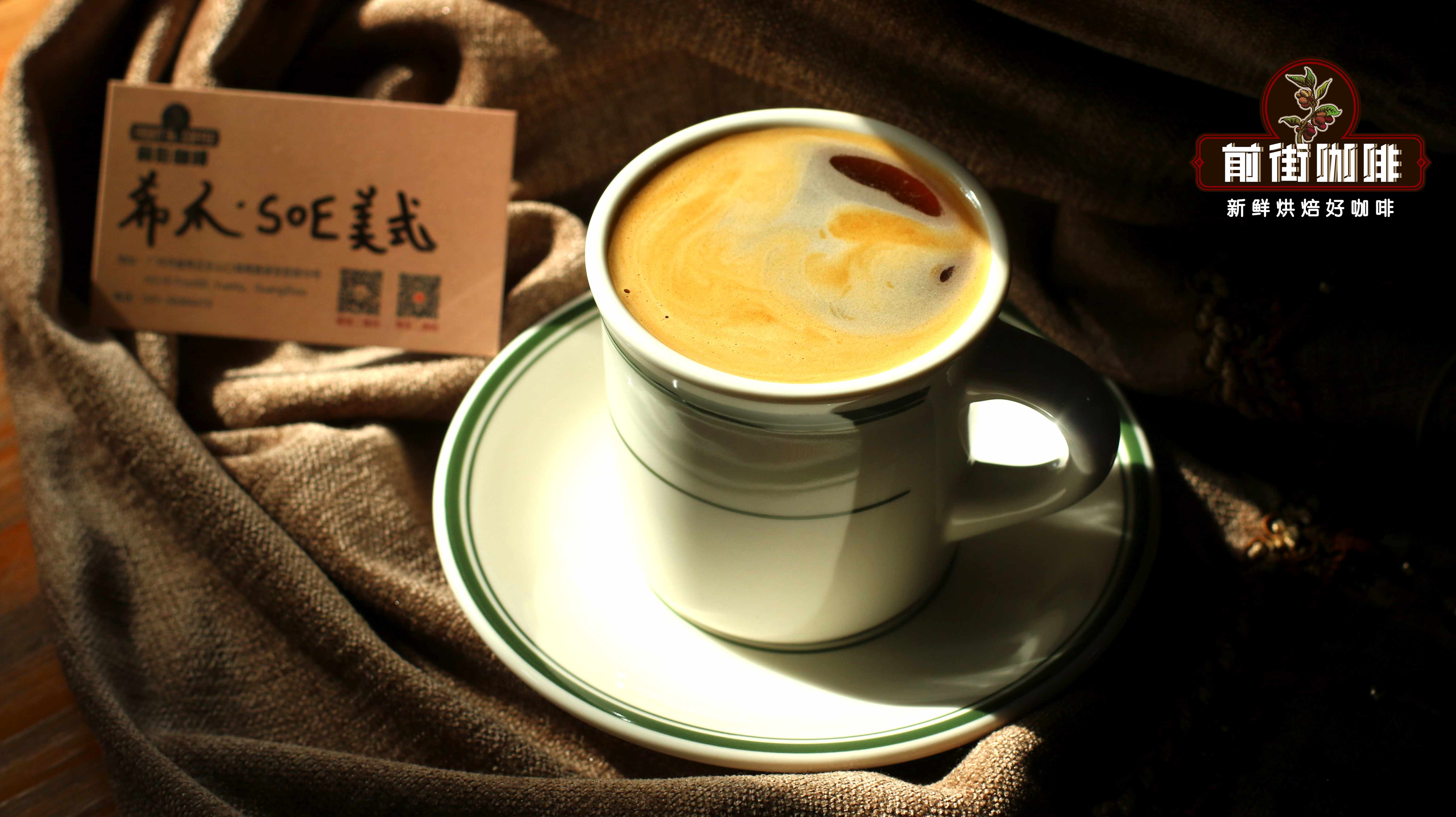
If you plan to make Yirgacheffe into an SOE, the logic of bean selection shifts from aroma to concentration and extraction stability. Light-to-medium roasted beans often need a finer grind and a higher brewing temperature; you can start testing with a coffee-to-liquid ratio of about 1:2, for example 18 g of coffee extracting 36 g of coffee liquid, then observe the flow rate and taste. Drunk on its own, the clear fruit acidity will be very prominent; after adding a small amount of hot water, the floral aroma and sweetness unfold more easily.
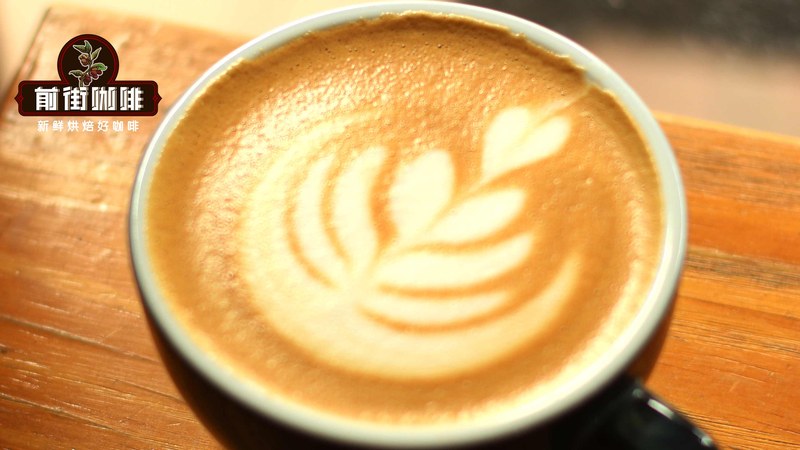
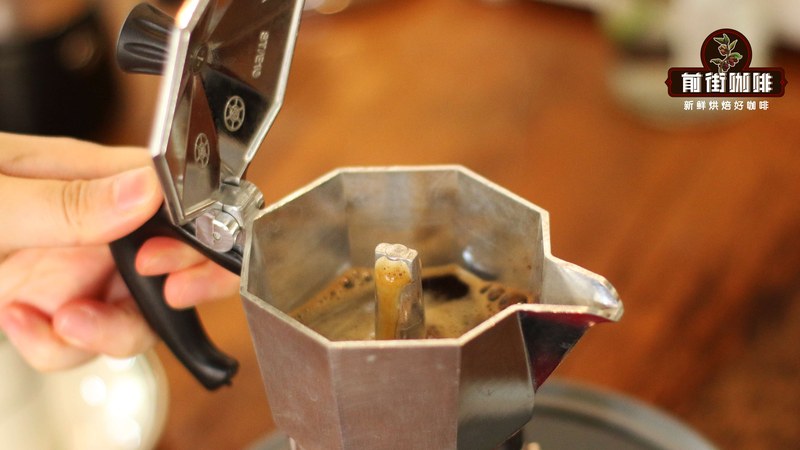
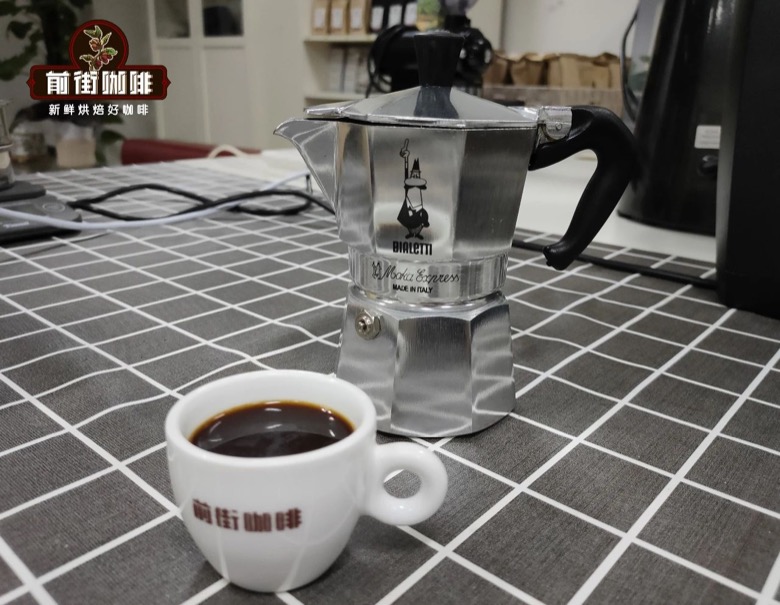
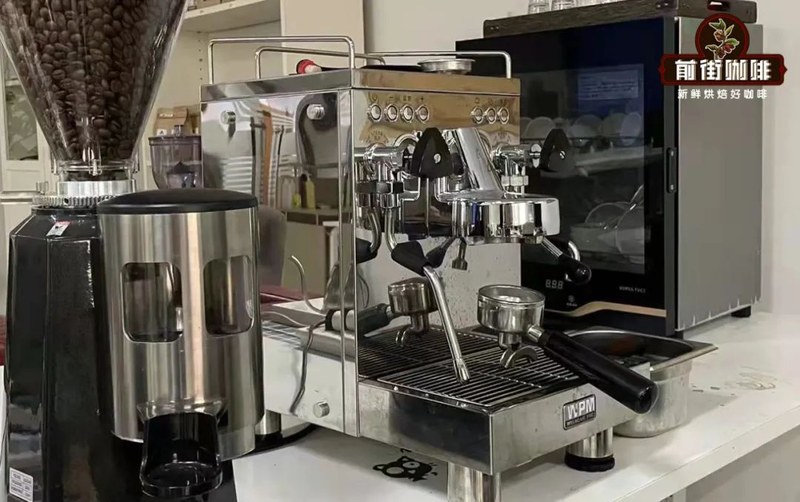
The pressure, distribution, and machine temperature of an espresso machine also affect how light-to-medium roasted beans perform. If the coffee liquid flows too fast, the cup easily retains only sharp acidity, so you can grind finer or increase the coffee-liquid contact time; if bitterness and dryness are obvious, try shortening the yield or lowering the temperature. For beans with vivid fruit aromas, an americano preserves the regional character better than a thick milk coffee; the higher the proportion of milk, the more you need to pay attention to whether the strength is sufficient.
Cold brew and iced drip suit those who want soft acidity, but the brewer parameters should serve aroma retention. For immersion cold brew, you can use a medium-coarse grind, start with a coffee-to-water ratio of about 1:12, and filter after 8 to 12 hours in the refrigerator; for iced drip, control concentration through the drip rate, keeping the liquid flowing slowly and continuously. If the finished cup seems thin, increase the coffee dose; if the aroma is dull, shorten the contact time.
When choosing light-to-medium roasted Yirgacheffe, you can treat brewer parameters as a screening tool: conical drippers suit floral and fruity aromas and clarity, flat-bottom drippers lean toward balanced sweetness, immersion brewers emphasize soft body, and espresso machines require beans that can withstand higher concentration. First choose the flavor profile that matches your equipment, then fine-tune water temperature, grind, and ratio, and a single bean can present different and specific ways of drinking.
Related Reading

Comments (0)
Loading comments...
You May Be Interested


Trending Reviews
Popular Videos

With you, wherever you are! We provide useful features to help you find new things you'll love






