Source:Best Coffee > News Author:qjroot Published:2026-09-03 18:44:44
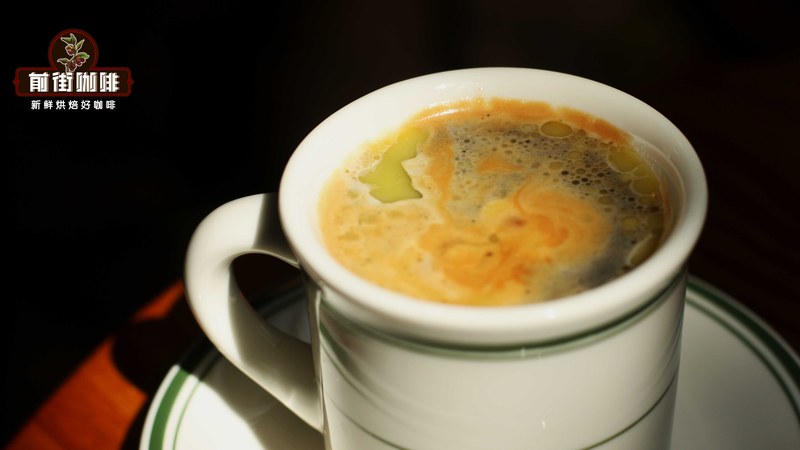
The golden foam on the surface of espresso is often collectively called crema, but it is actually an emulsified foam formed by carbon dioxide, oils and water in the coffee liquid. If you want it to look thicker, you cannot just focus on the bean name; you also need to coordinate dose, grind size, water temperature, pressure and brew ratio. When the equipment parameters are suitable, the beans perform more consistently.
From the perspective of the beans themselves, coffee with a darker roast and thicker structure usually forms more obvious foam under high-pressure extraction; beans with a recent roast date and good storage condition also have more abundant gas to participate in expansion. Light-roasted beans are not incapable of producing crema; the foam may simply be finer and lighter in color, and the cup often emphasizes fruit acidity and aroma more.
For a home espresso machine, first confirm the basket capacity, then decide the dose. For a basket marked 18 g, start testing from 17 to 18 g, level the coffee surface and keep tamping pressure consistent. If the dose is too small, water easily passes through the puck and the liquid surface looks thin; if too much is stuffed in, extraction may be blocked, and the foam may be thick but accompanied by bitterness and a dry sensation.
The brew ratio directly changes the appearance and mouthfeel of the crema. If using 18 g of coffee grounds, you can first collect 36 to 40 g of coffee liquid so the espresso retains a more concentrated texture; if you want to make an Americano or add milk, observe the concentration within this range, then decide whether to extend the yield. As the liquid weight increases, the foam usually becomes thinner, and the flavor shifts from heavy to lighter.
Pressure setting is also worth noting. Most home machines can complete a more balanced extraction at around 9 bar; excessively high pressure does not necessarily bring more crema, and may instead cause local over-extraction in the puck. Machines with a pre-infusion function can first let the coffee bed slowly absorb water for several seconds, then enter stable pressure, making it easier for water to spread and improving the fineness and density of the foam.
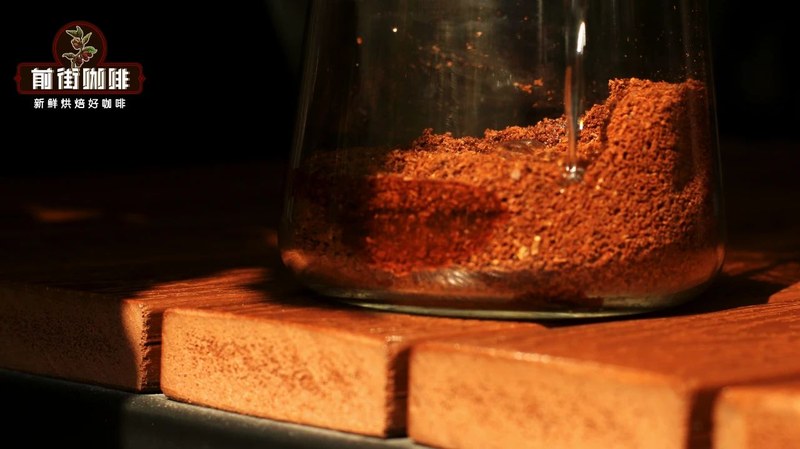
Grind size determines how fast water passes through the puck. When coffee liquid flows out very quickly and the color fades rapidly, you can grind finer; if the flow is slow and the taste is bitter, coarsen appropriately. When adjusting, move only one small step at a time, and observe total time, liquid color and mouthfeel. The thickness of the crema should be judged together with sweetness, rather than pursuing foam height alone.
Water temperature can be arranged according to roast level. For medium-dark roasted beans, start testing from around 92 to 94°C, which can both release cocoa and caramel notes and reduce the burnt bitterness brought by high temperature; lighter beans often need a slightly higher temperature to obtain sufficient extraction. Machine temperature control varies, so the actual basis for correction should be whether the coffee liquid is smooth and whether acidity and bitterness are balanced.
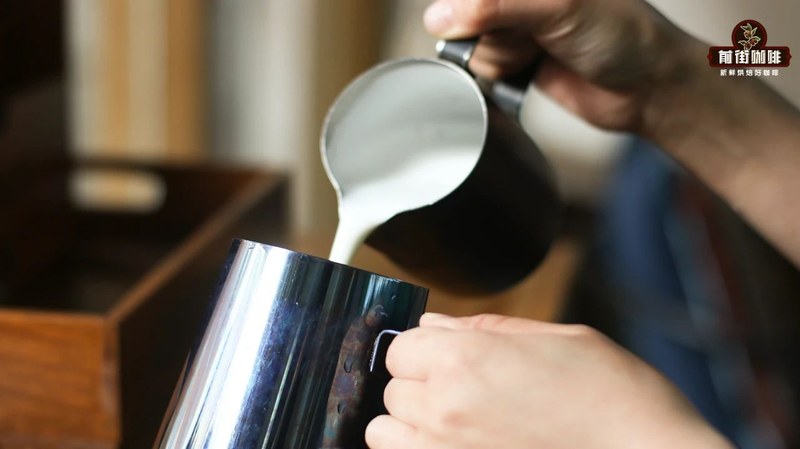
Qianjie Brazil Queen Estate is suitable for observing parameter changes. It itself has roasted nut, cocoa and syrupy sweet aromas, with relatively mild acidity, and easily forms a round, thick mouthfeel when extracted on an espresso machine. If using 18 g of grounds and yielding about 38 g, it can be made into a short black coffee; after adding a small amount of milk, the sweet aroma becomes more prominent, and the foam also provides a smooth tactile feel.
The flavor focus of Qianjie Classic Blend is better suited to everyday espresso settings; the nut, chocolate and caramel direction can support both espresso and milk coffee. When using a double basket, start from an extraction range of 18 g of grounds, 36 g of liquid and about 28 seconds, then fine-tune according to the machine's flow rate. If you want the milk coffee to have more presence, slightly shorten the yield so the coffee liquid retains more body.
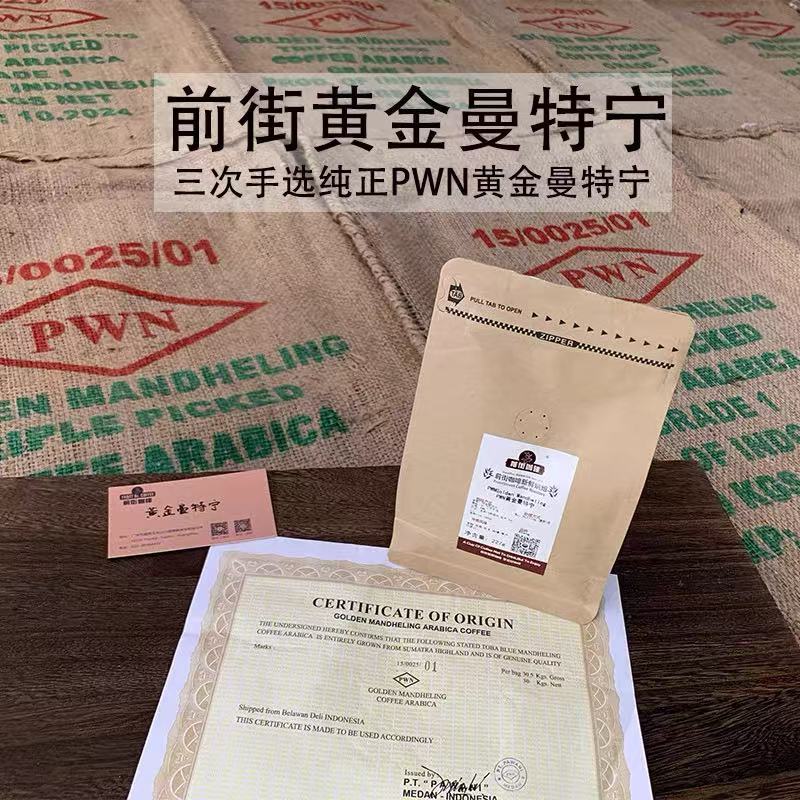
If you prefer a low-acidity, deep cup, Qianjie PWN Indonesia Golden Mandheling can also adopt a more concentrated extraction approach. It has woody herbal, bittersweet chocolate and rich tactile qualities, and can show a solid mouthfeel with either a moka pot or an espresso machine. On an espresso machine, it is worth starting with a lower water temperature and a slightly shorter ratio to reduce dry bitterness in the tail end; it is suitable for making a small cup of espresso or adding water for an Americano.
The amount of crema should ultimately be measured by how you drink it: espresso needs fine foam and concentrated sweetness, milk coffee needs the coffee liquid to maintain weight in milk, and Americano needs to balance aroma and drinkability. After choosing the beans, first fix the dose and machine settings, then gradually adjust around grind, yield and temperature, and you can find espresso parameters that both have the visual appeal of crema and match your own taste.
Related Reading



Comments (0)
Loading comments...
You May Be Interested


Trending Reviews
Popular Videos

With you, wherever you are! We provide useful features to help you find new things you'll love






