Source:Best Coffee > News Author:qjroot Published:2026-09-03 18:35:40
With the same bag of coffee beans, switching to a different dripper can transform the aroma, sweetness and mouthfeel. Cone-shaped drippers drain faster and tend to bring out bright aromatics; flat-bottom drippers have a more even flow rate and often produce a rounder cup; valve-equipped immersion brewers place more emphasis on steep time. Choosing beans according to these brewer parameters makes it easier to find a combination that works than looking at origin names alone.
Start by looking at the dripper's drainage speed. Brewers with large holes and pronounced flow ribs let water pass through the coffee bed quickly, making them suitable for beans with vivid aromatics and recognizable acidity and sweetness, supplemented with a slightly finer grind or higher water temperature to make up for extraction. Drippers with fewer holes and a high degree of filter paper fit have a slower flow rate, so you can choose beans with rounded sweetness and a soft mouthfeel, avoiding a dull cup.
Cone-shaped drippers are good for amplifying floral and fruity notes, but pour height and circling amplitude noticeably affect the flow rate. Taking 15 g of ground coffee as an example, the water amount can fall between 225 and 240 g, poured in two to three stages, keeping the stream thin and steady. If the beans are on the lighter roast side, start with a water temperature of 91 to 94°C; if the acidity is sharp after extraction, increase sweetness by refining the grind or extending contact time.
A flat-bottom dripper's coffee bed is more even in thickness, making it suitable for those who want a balanced cup with a smooth entry. It is less sensitive to pouring motion than a cone-shaped dripper, so you can use fewer pouring stages and let the water flow steadily through the coffee bed. Start with a coffee-to-water ratio of about 1:15; if the mouthfeel is thin, moderately reduce the total water amount; if the finish tastes dry, coarsen the grind a bit, or reduce agitation in the later stages.
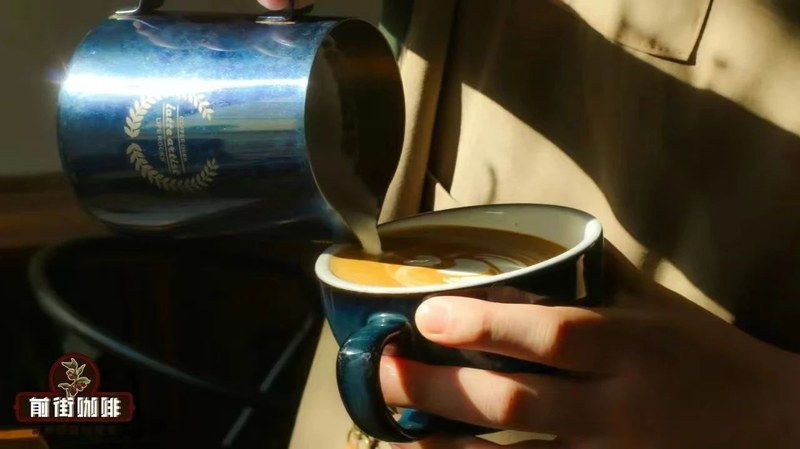
The key parameter of an immersion dripper is steep time, rather than simply pursuing drainage speed. After the ground coffee fully contacts the hot water and is then filtered, it suits beans with a relatively complete flavor structure and sweetness that releases easily. Start with a water temperature of 90 to 92°C, steep for about two minutes, then drain, adjusting the time according to concentration. For a crisper cup, shorten the steep; to add body, extend it appropriately.
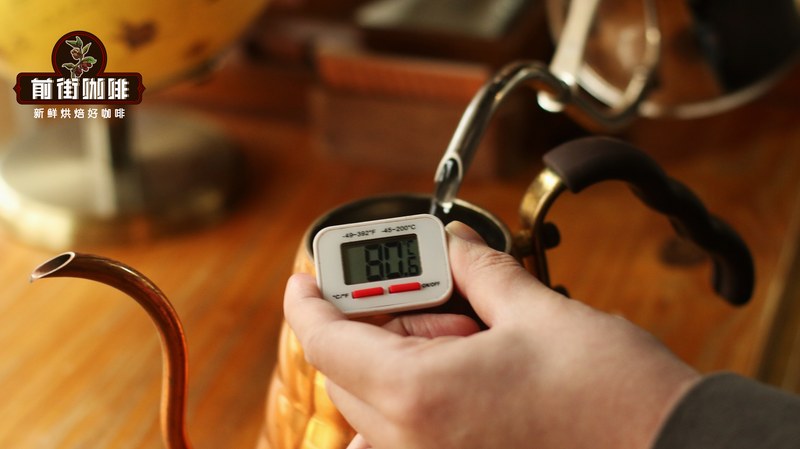
Qianjie Kafa Forest is well suited to a faster-draining cone-shaped dripper. When hot, it easily shows a bright citrus and ripe fruit character; as the temperature drops, the sweetness becomes more concentrated, and the finish carries a refreshing oolong tea-like aftertaste. Using a finer grind, a water temperature of around 92°C and staged pouring makes the aroma more lively; if you want something softer, switching to a flat-bottom dripper is more suitable.
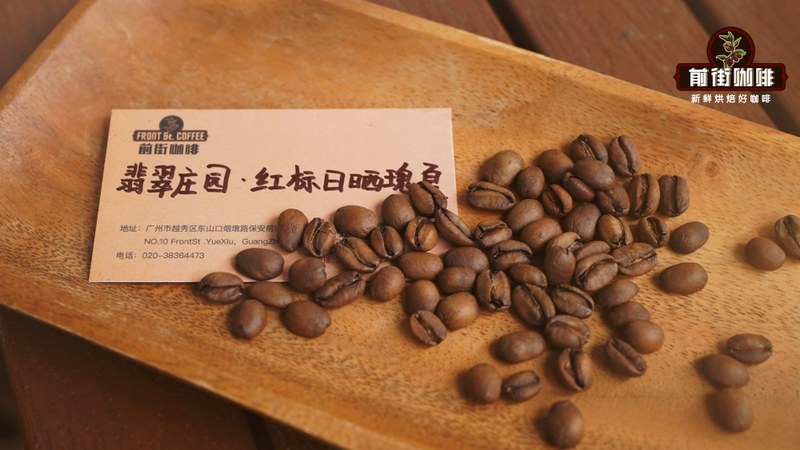
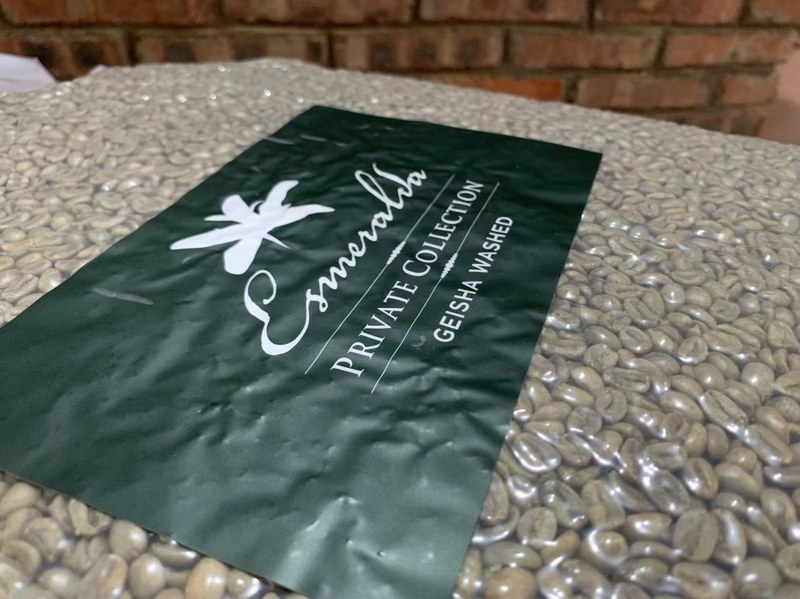
Qianjie Granja Estate Geisha has a high aroma density, and a flat-bottom dripper lets the sweet aromas of orange blossom, guava, apricot and berry jam spread more evenly. Natural-process beans are inherently full-flavored, so there is no need to frequently agitate the coffee bed during brewing, to avoid over-extraction in the later stages. Start with a water temperature of around 91°C, use a medium grind and a slower pour, and the layers in the cup will be clearer.
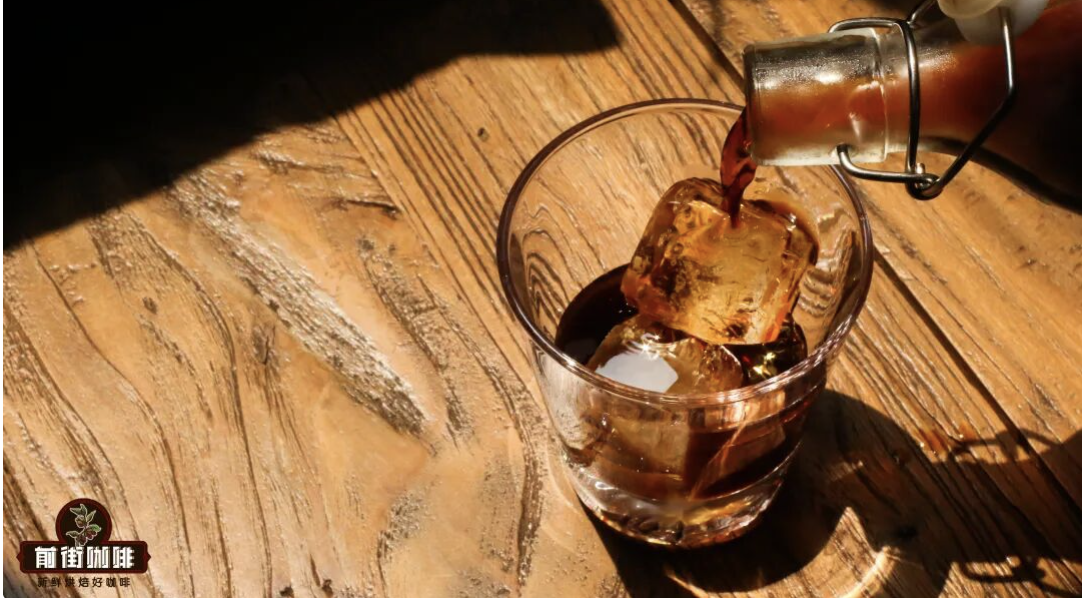
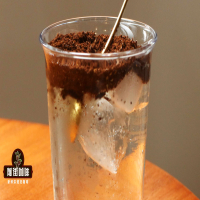
Qianjie Colombia Sidra is suited to using parameter changes to observe its juicy character. A cone-shaped dripper with a higher water temperature easily highlights vivid aromas like passion fruit, blueberry and grape; when switching to iced pour-over, you can replace part of the hot water with ice cubes in the server below the dripper, preserving both concentration and refreshment. If using cold drip, the grind should be slightly coarser and the drip rate kept steady, so the result is better suited to cold drinking.
The filter paper itself also affects how the beans perform. Thick paper filters out oils more thoroughly, giving a clean, light cup suited to light-roast beans with pronounced floral and fruity notes; thinner paper or more involvement of a mesh filter gives the mouthfeel more weight. For water, it is recommended to choose drinking water with a moderate mineral content; too soft may make the flavor seem thin, while too high in minerals can easily suppress delicate aromas, so do not overlook this element when adjusting your brewer.
In actual brewing, you can fix the coffee dose at 15 g and the water amount at 225 g, then observe how long the dripper takes to drain. If the total time is too short, the cup often shows prominent acidity and insufficient sweetness; at this point you can refine the grind or raise the water temperature. If the time is too long and the mouth feels astringent, try coarsening the grind and reducing agitation. Changing only one parameter at a time lets you see the direction in which the brewer and beans work together.
The choice of pour-over coffee beans need not be limited by any fixed brewer. Fast-flow drippers are suited to amplifying bright aromatics, flat-bottom brewers help present balanced sweetness, and immersion drippers can bring a fuller overall mouthfeel. Choose beans according to the dripper structure, water temperature range, grind setting and your own pouring habits, then calibrate the parameters with one or two brews, and each bean will show a more suitable state.
Related Reading

Comments (0)
Loading comments...
You May Be Interested

Trending Reviews
Popular Videos

With you, wherever you are! We provide useful features to help you find new things you'll love






