Source:Best Coffee > News Author:qjroot Published:2024-05-01 19:05:56
Recently, the National Adaptation Plan (NAP) project of Panama stated in a public announcement on April 25 that due to the climate crisis, by 2050, rainfall in the region of Panama—home to its largest hydropower plants and agricultural land—is expected to decrease by nearly 2.80%, directly impacting the country’s food security.

According to Panama’s La Prensa newspaper, NAP recently used global models, referenced data from meteorological stations over the past 30 years, and historical information to simulate the latest climate change in Panama from 2050 to 2070 and released a report.
The report indicates that by 2050, the maximum temperatures in regions such as the eastern Caribbean and central areas are expected to rise by at least 0.8°C, increasing to 1.75°C by 2070; the minimum temperatures will rise by at least 1.1°C, reaching 2.18°C nationwide by 2070. The analysis shows that the rise in minimum nighttime temperatures leads to changes in plant photosynthesis, reduced soil cooling time, and an increase in pests caused by pathogens, all of which negatively affect agricultural production.
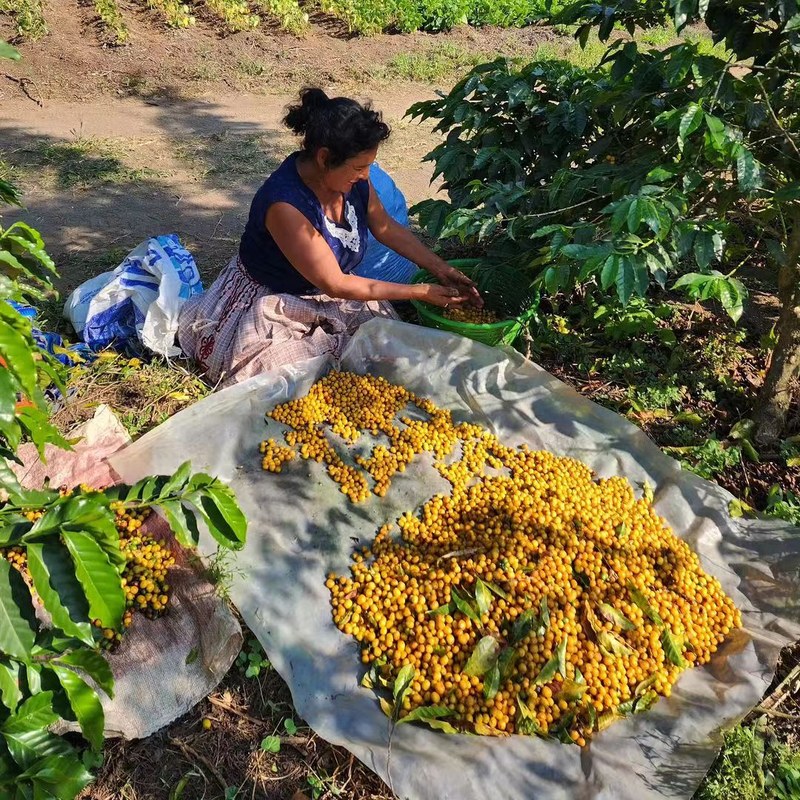
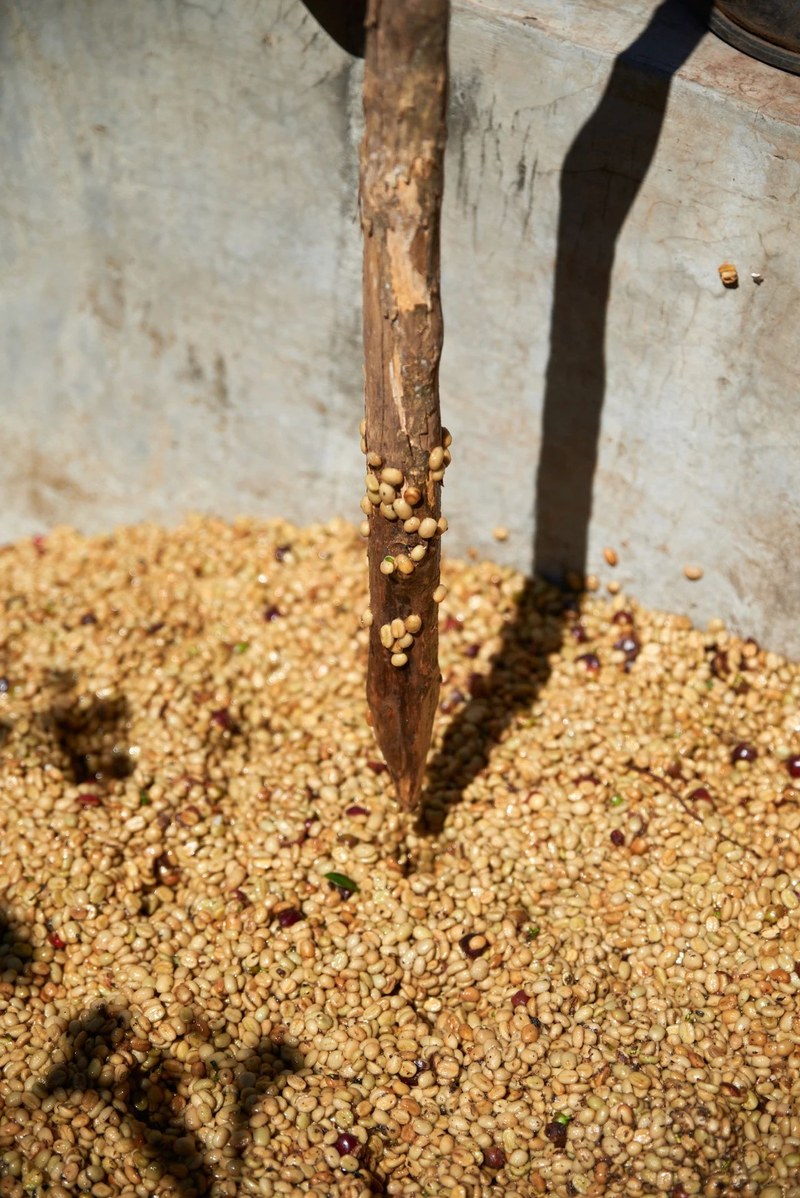
Agriculture is a vital sector of Panama’s national economy, with 1.71 million hectares of arable land nationwide and 20.8% of the labor force engaged in agricultural production. The main crops in Panama are rice, corn, and beans, while the primary cash crops are bananas, sugarcane, and coffee, with coffee, bananas, and sugar mainly being exported. Climate and temperature changes will affect crop growth, thereby impacting the export trade of agricultural products such as coffee and bananas.
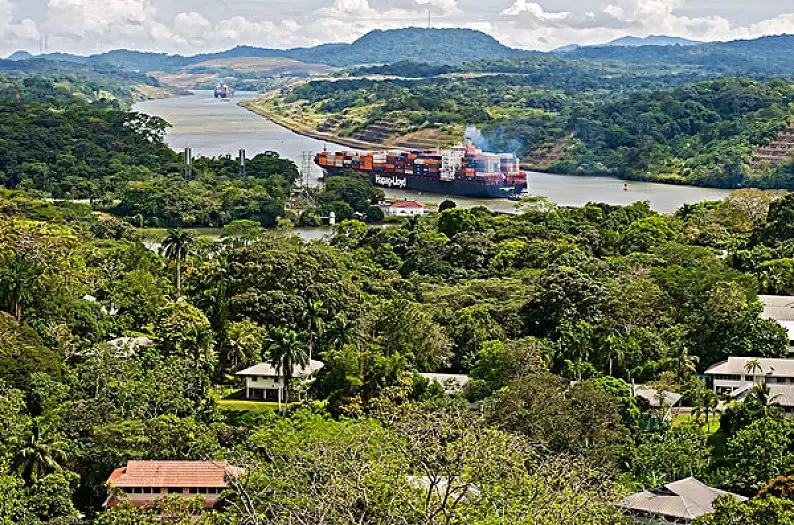
In addition, it is projected that by 2050, the variation in annual precipitation within hydroclimatic zones will range between -2.82% and +4.38%, and by 2070, the range will be between -4.04% and +6.87%. By 2050, rainfall in the region of Panama—where the largest hydropower plants and agricultural land are located—is expected to decrease by nearly 2.80%, directly affecting the country’s food security. On the other hand, heavy rainfall is expected to increase in areas prone to floods and landslides.
Panama now experiences drought once every three years due to the El Niño phenomenon. The Panama Canal, an important shipping route for transporting grain and energy from the east coast of North America and the Gulf of Mexico to Asia, has also seen multiple restrictions in recent years due to drought and water shortages. The canal’s lock system needs to lift large vessels to a height of 26 meters above sea level, which requires a certain amount of rainfall to achieve.
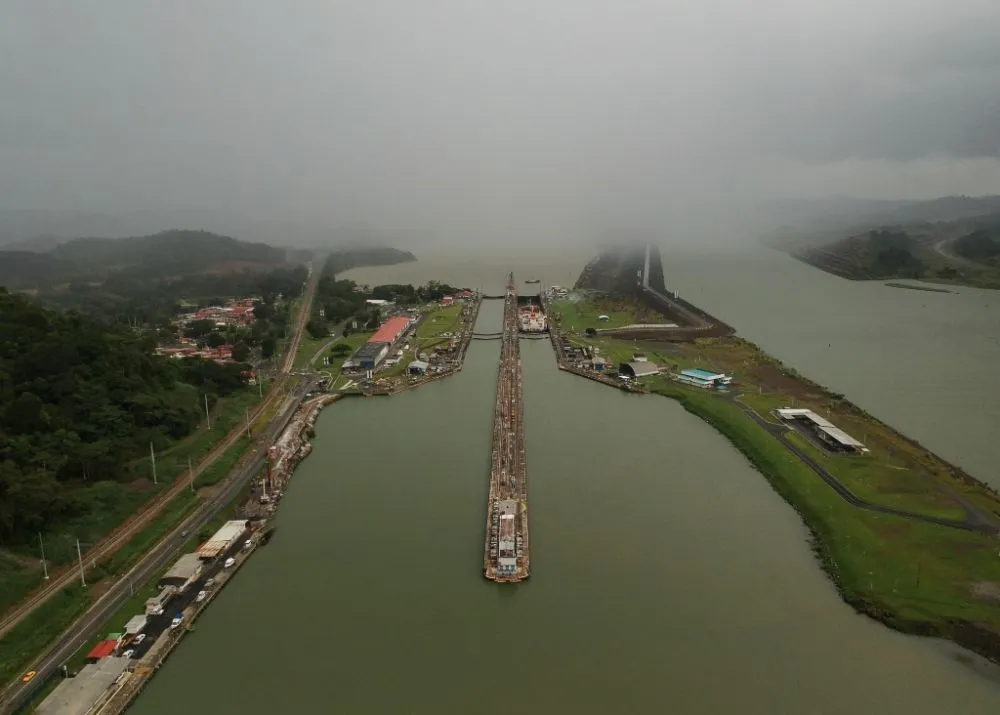
Additionally, hydropower accounts for 44% of Panama’s total electricity consumption, and in 2020, the Panama Canal Authority reported that due to low precipitation in the Panama Canal basin in 2019, temporary water-saving measures continued to be implemented to ensure the normal passage of the canal, including suspending power generation at the Gatun hydroelectric plant.
Heavy rainfall can also impact agriculture. As early as 2022, there were reports about the effects of persistent heavy rainfall on Panama’s national agriculture. The continuous downpours led to floods in many parts of Panama, damaging houses and affecting residents. At the time, Panama’s Ministry of Agricultural Production also stated that heavy rain and floods had submerged large areas of farmland, with the economic losses difficult to assess.
René López, coordinator of the NAP project, stated that climate change scenario simulations are only a reasonable and simplified depiction of the future, but this initiative is crucial as it can help people make more timely and accurate decisions, directly impacting human health, social welfare, and economic growth.
Related Reading





Comments (0)
Loading comments...
You May Be Interested





Trending Reviews
Popular Videos

With you, wherever you are! We provide useful features to help you find new things you'll love






