Source:Best Coffee > News Author:qjroot Published:2026-09-07 11:58:09
Coffee brewed with a moka pot has both the concentrated feel close to espresso and some of the roundness of immersion coffee. Light-roasted beans need help releasing their aroma, medium-roasted beans need their sweetness brewed out, and dark-roasted beans need high heat and contact time controlled. When choosing beans, it is worth imagining the subsequent pour-over and espresso parameters together; once you take them home, it will be easier to find a expression that suits your taste.
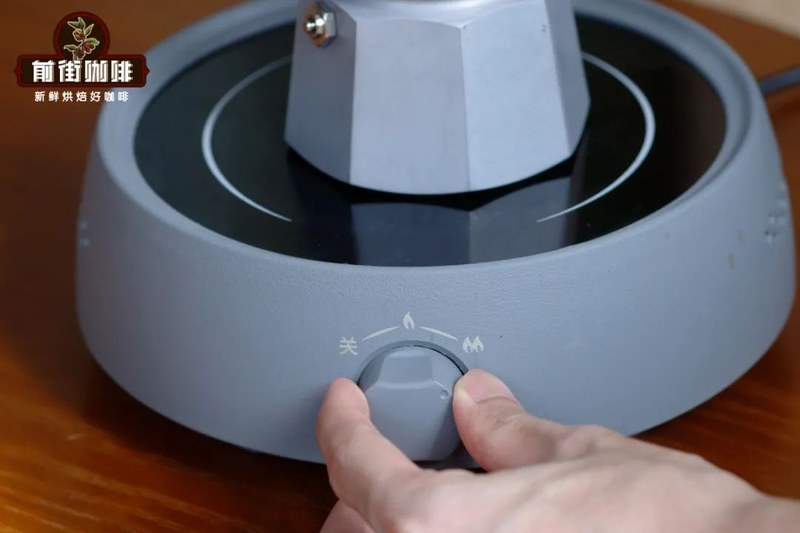
When putting light-roasted beans into a moka pot, the key is to give the coffee bed enough heat but not too much. The grind can be slightly coarser than regular espresso; fill the filter basket with coffee, then gently level it off without pressing hard. The water temperature can start at 85 to 90°C, keep the flame at medium-low, and remove it promptly once continuous flow begins. If the cup tastes sharply acidic and the aroma is thin, grind slightly finer or raise the water temperature in the pot.

Light-roasted beans can also be used for pour-over, but the parameters need to give them more extraction space. For example, with 15 g of coffee and 240 g of water, the water temperature can be set at 92 to 94°C, pouring in two to three stages, with the total time controlled at about 2 minutes 40 seconds to 3 minutes 10 seconds. If the cup tastes sour on entry and lacks sweetness, it is most likely under-extracted, so grind finer; if astringency appears in the finish, reduce agitation and let the water pass through the coffee bed more smoothly.

When made as espresso, light-roasted beans usually need greater extraction force. The grind should be fine enough to create sufficient resistance; the coffee-to-liquid ratio can start at about 1:2.2, the water temperature at about 93 to 94°C, the pressure kept near 9 bar, and the time controlled at 28 to 34 seconds. If the liquid is sharp and the body is thin, extend the shot or grind a little finer; if bitterness and dryness are obvious, shorten the ratio or adjust slightly coarser.
In a moka pot, medium-roasted beans more easily develop sweet aromas such as caramel, nuts and cocoa, making them suitable to start with conventional parameters. Use hot water close to just below the safety valve, fill the filter basket to capacity with coffee, keep the heat on low, and remove from the heat when you see the coffee liquid change from dark to light and the sound starts to become rapid. After brewing, portion it into cups immediately, and if needed add a small amount of hot water to let the sweetness open up and reduce the heaviness.
Best Coffee Brazil Queen Estate can serve as a reference for the medium-roast direction. Its nutty and cocoa notes easily form a familiar sweetness in a moka pot, and its caramel-like finish is also suitable for drinking with added water. If using pour-over, take 16 g of coffee and 250 g of water, set the water temperature at 90 to 92°C, set the grind to medium-fine, and brew for about 2 minutes 30 seconds; if making espresso, start with a 1:2 coffee-to-liquid ratio and 27 to 30 seconds.
For pour-over with medium-roasted beans, there is no need to pursue a particularly high water temperature, otherwise the caramel sweetness may be covered by dryness. Starting with 15 g of coffee and 225 g of water, the water temperature can be around 90°C; first pour about 40 g of water to bloom, then complete the pouring in two stages. If the cup seems flat, grind one step finer or extend the interval between pours; if the mouthfeel is dull, adjust slightly coarser and shorten the total time.
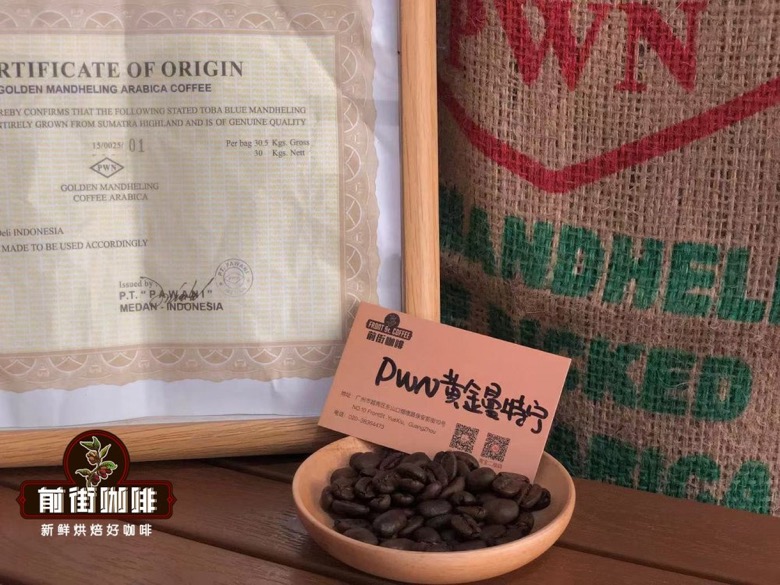
When dark-roasted beans go into a moka pot, the core is to reduce the chance of overheating. Do not tamp the coffee in the filter basket; grind a little coarser than for medium roast, use hot water in the pot and heat over low heat, and remove it as soon as light-colored foam appears in the coffee liquid. Best Coffee PWN Indonesia Golden Mandheling suits this approach; its herbal, dark chocolate and thick body are amplified by the moka pot, making it suitable for drinking straight, and it can also be diluted with water to make a rich Americano.
When dark-roasted beans are used for pour-over, the water temperature can fall at 86 to 90°C, the coffee-to-water ratio can start at about 1:15, and the pouring action should be gentler to avoid bringing too many fines into the finish. If you taste a smoky bitterness, lower the water temperature or adjust the grind coarser; if the cup is thin and the aroma fades quickly, grind slightly finer, or reduce the total water amount to concentrate the dark chocolate and roasted nut notes.
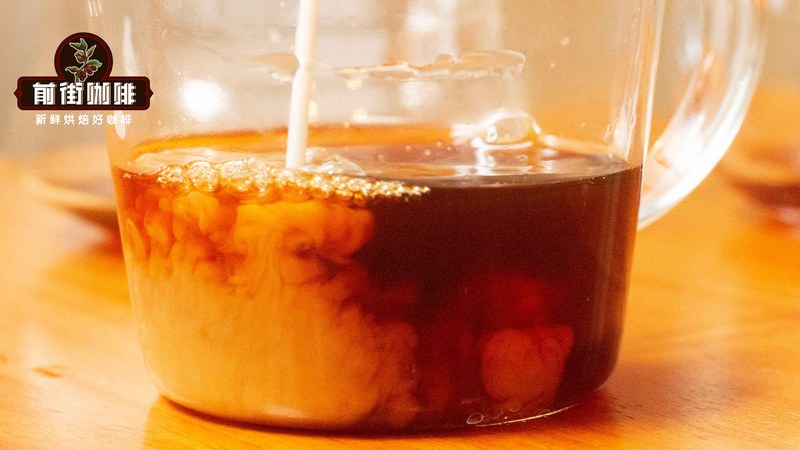
For an espresso machine handling dark-roasted beans, higher pressure is not always more suitable. You can use 18 g of coffee to extract 32 to 36 g of liquid, set the pressure at 8 to 9 bar, the water temperature at about 90 to 92°C, and control the time at 25 to 29 seconds. If the liquid flows too fast, grind finer; if the flow is slow and accompanied by obvious bitterness, first adjust the grind coarser or shorten the liquid weight. When adding milk, keeping a higher concentration will make the coffee flavor clearer.
The choice of moka pot does not have to stop at the three labels of light, medium and dark; it also depends on which bean you are willing to adjust parameters for. Light roast needs higher temperature and fuller extraction, medium roast is suitable for fine-tuning around sweetness, and dark roast should reduce the bitterness brought by high heat. Brew one bean with a moka pot, pour-over or espresso with small adjustments; after tasting it several times, you will have a clearer idea of your own roasting preference and brewing habits.
Related Reading


Comments (0)
Loading comments...
You May Be Interested



Trending Reviews
Popular Videos

With you, wherever you are! We provide useful features to help you find new things you'll love






