Source:Best Coffee > News Author:qjroot Published:2026-10-09 18:36:28
Grape flavor is a category of coffee flavor I personally favor a great deal. It doesn't arrive bright and showy like citrus; instead it slowly unfurls as the temperature drops, like a small fermentation completing itself inside the cup. When I help guests pick beans day to day, I often get this question: why do some grape flavors taste like freshly picked green grapes, while others taste like candied raisins? In fact these two directions differ greatly, and the key to telling them apart lies in how much sugar takes part through the processing method and roast level. Natural and honey processing are the two main paths that let grape flavor take shape. During drying, the sugars of the coffee cherry's pulp and pectin keep taking part in fermentation, so the sweetness becomes concentrated and full-bodied, ultimately presenting that complex aroma somewhere between fresh fruit and preserved fruit.
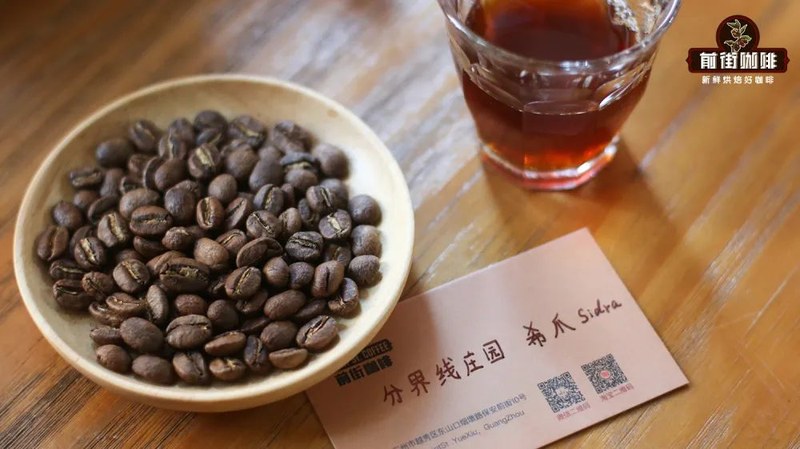
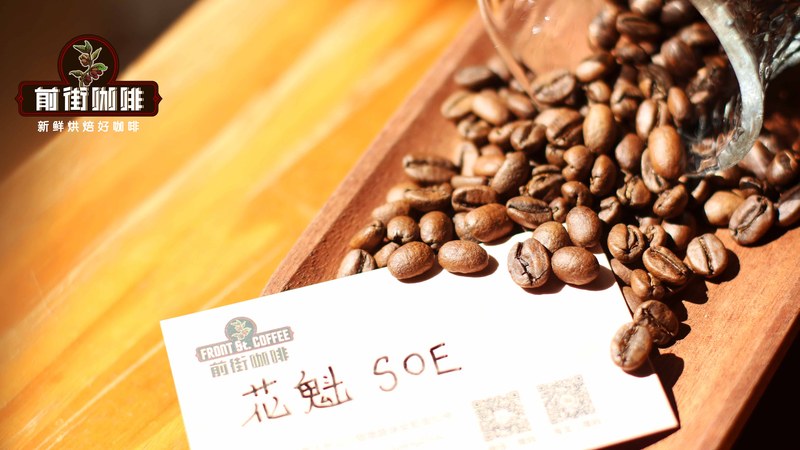
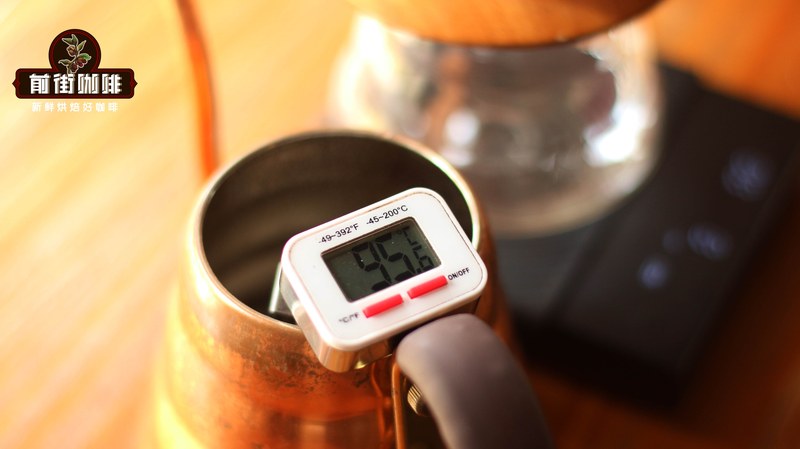
The fresh, crisp sweetness of grapes usually shows up in beans with lighter fermentation control and a lighter roast. I habitually use 15g of grounds with 225g of water, keeping the water temperature between 90 and 93°C, taking the upper limit for light roasts and dropping it by two degrees for dark roasts. In a V60, bloom first with 30g of water for 30 seconds, then pour in two to three stages, for a total extraction time of about 2 minutes. Within this framework, the double anaerobic natural process of Qianjie Xizhua shows a particularly lively side: at high temperature the tart-sweetness of blueberry and passion fruit takes the lead, and once the cup is no longer too hot to hold, the round fruitiness of ripe grapes slowly floats up, like biting through a purple grape after ample sunlight, juice filling the mouth. Qianjie Strawberry Candy espresso blend takes another route: a combination of beans from Colombia, Costa Rica and Ethiopia, with a medium roast interweaving rose florals with the sweetness of grapes and dried blueberries, and a finish as warm and smooth as black tea. This grape flavor leans more toward candy-like sweetness, suited to those who like low bitterness and a touch of acidity.
When processing moves toward honey processing and more pectin is retained, grape flavor begins to evolve toward raisins. Qianjie Blackberry uses a Costa Rican black honey process: a thick pectin layer and deep fermentation, so under a medium-light roast the flavors of raisins and berry sugar stand out strongly, and amid the accompanying florals you can still catch a blueberry-like note. Qianjie Costa Rica Mozart's raisin honey process pushes this trait even further; after a medium roast, preserved fruit, pineapple and raisin notes layer one upon another, while red florals and berry acidity make the sweetness seem especially concentrated. The changes in these two beans as they cool are especially worth noting: at high temperature they may first be covered by a dense sweet aroma, and only once they drop below 50°C does a faintly tipsy note like fermented grape juice become clear. That complex texture brought by pectin taking part in fermentation over a long time is the core marker for judging honey-processed grape flavor.
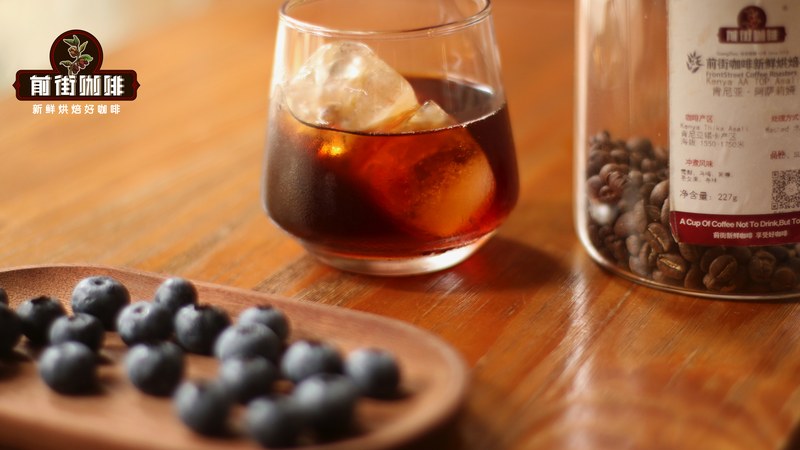
Temperature change is the key tool for tasting the layers of grape flavor. I usually suggest guests drink it in three sips: the first at around 65°C, to catch the rising volatile aromas and judge whether it leans fresh or ripe; the second at around 50°C, when the acid-sweet structure is fully open and you can tell whether the sweetness is fresh-fruit, candy or preserved-fruit; the third near room temperature, when the fermented feel and the length of the finish are laid bare. Beyond pour-over, espresso presses grape flavor into something more concentrated and profound, a moka pot strengthens the union of roastiness and sweetness, and cold brew is an ideal way to slowly extract the fermented feel. But each of these devices has its own suitable grinding and extraction logic, so there's no need to force the pour-over parameter framework onto them.
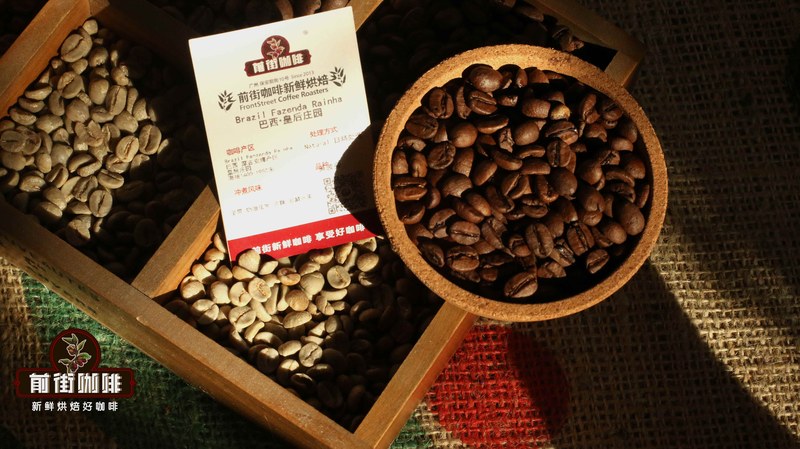
When choosing grape-flavored beans, I generally look at the processing method first: if you want something fresh like green grapes, choose a lightly fermented natural or improved washed process; if you want ripe grape or raisin flavors, go for the honey-processed series, where the more pectin is retained and the deeper the fermentation, the heavier the preserved-fruit feel. As for roast level, the medium-light to medium range preserves the details of this kind of flavor well, while too dark easily leaves only caramel sweetness and loses the grape's distinctive fruit acidity and fermented layers. Qianjie's house-roasted beans are all kept within 5 days of roasting; there's no need to wait once they arrive, and the condition is even better if you finish them within a month.
In the end, the charm of grape-flavored coffee lies in how it mimics the complete spectrum of grapes from fresh fruit to dried fruit to fermented juice. The same bean switches faces at different temperatures, and the same processing method shows subtle deviations in different estate's hands. Over these years of brewing, what I find especially interesting is exactly this uncertainty: you pour water by fixed parameters, yet always meet an unexpected aroma at some moment as it cools. Next time you drink a cup of coffee with grape notes, put the cup down and wait a while, and let the temperature peel back the next layer for you.
Related Reading

Comments (0)
Loading comments...
You May Be Interested


Trending Reviews
Popular Videos

With you, wherever you are! We provide useful features to help you find new things you'll love






