Source:Best Coffee > News Author:qjroot Published:2026-09-24 15:45:59
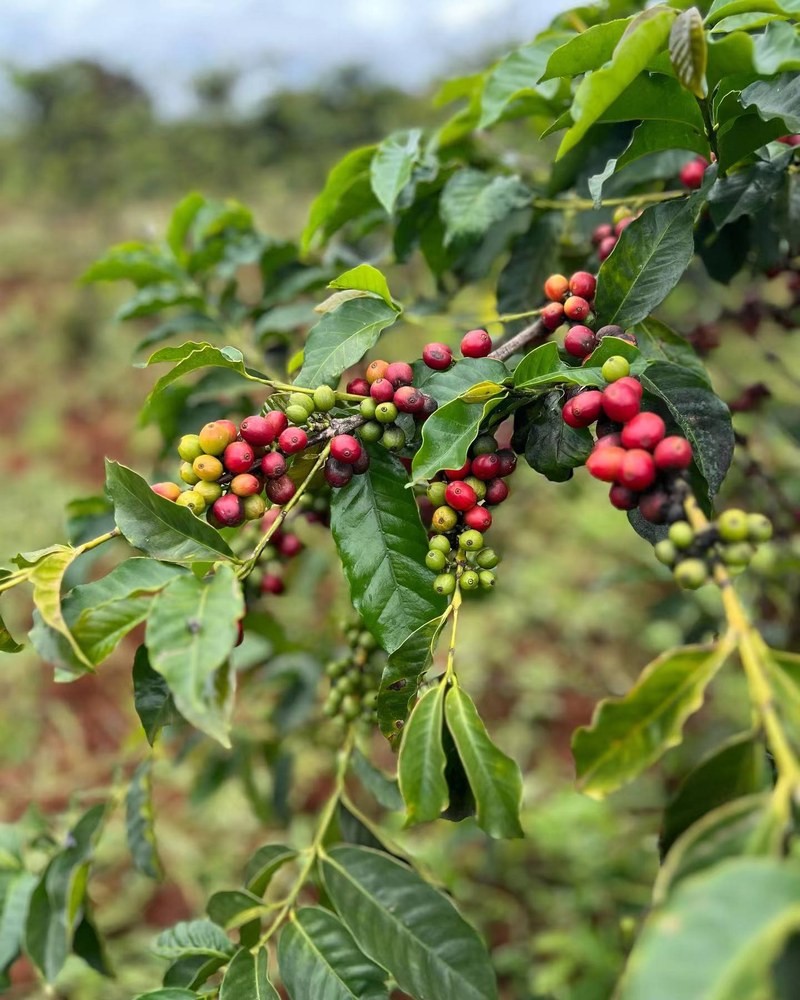
On a weekend morning, curled up at home brewing coffee, friends often wonder how the same bag of specialty beans can sometimes taste as sweet as honey and sometimes as flat as water. In fact, most of the aromatic, charming specialty single origins on the market are Arabica; they are rich in aromatic compounds and delicate in texture, and whether the brew turns out well often comes down to extraction yield and strength. It is like making juice: the extraction yield determines how much of the juice's essence is squeezed out, while the strength determines how much water is added.
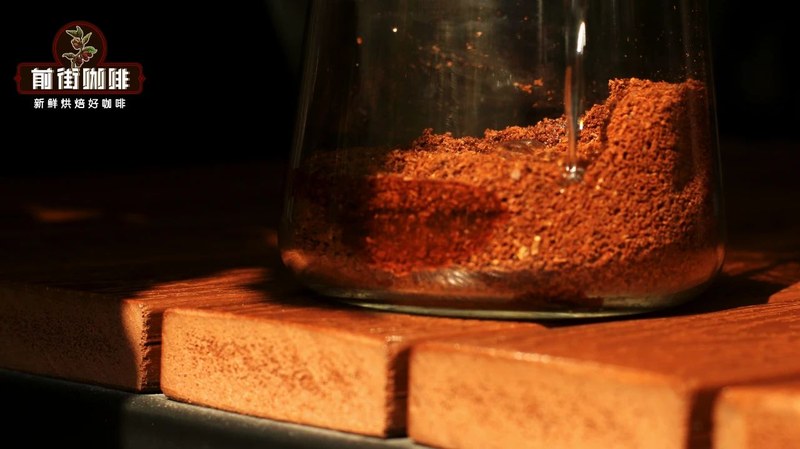
Water temperature, grind size and the contact time between water and coffee grounds all push the extraction yield forward together. The finer the grind and the higher the water temperature, the more flavor is dissolved; and the coffee-to-water ratio directly controls how strong or weak, thick or thin the cup is. If the coffee tastes weak and the aroma is scattered, it is usually because too much water was used or the extraction was insufficient; if the back of your tongue feels dry and astringent, it is often because too fine a grind caused over-extraction. Just fine-tune the coarseness and the flavor immediately returns to being smooth.
When choosing beans day to day, you should not only pick the region, but also consider whether this bag of beans is suited to being drunk strong or weak. Some Arabica beans naturally carry lively floral and fruity aromas and bright fruit acidity, so widening the coffee-to-water ratio and drinking it weaker is like sipping a vivid fruit tea; other beans carry the deep, substantial notes of nuts, cocoa and caramel, so slightly tightening the water amount and drinking it stronger is needed for full richness. Choosing beans according to the cup strength you prefer naturally makes for a satisfying drink.
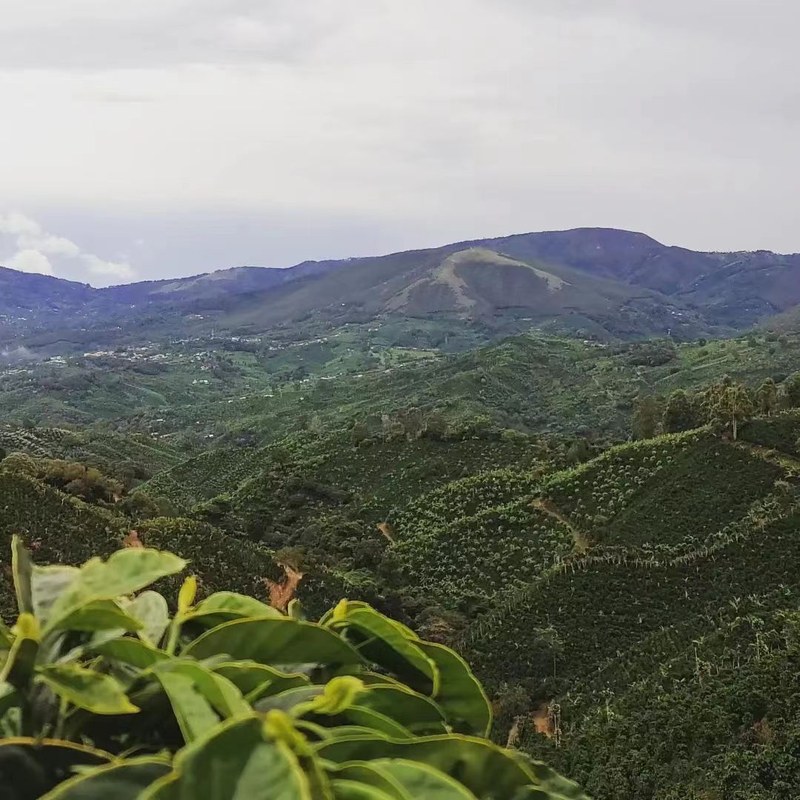
When it comes to floral and fruity aromas suited to slow savoring, Qianjie Panama Red Label Geisha is second to none. It comes from the famous Hacienda La Esmeralda in the town of Boquete; the fertile volcanic soil and the mist that shrouds it year-round give it complex layers. In the cup there are elegant white floral notes, citrus and full peach acidity, with a finish carrying a clear, sweet oolong tea sensation. It is very suited to being drunk weak, with the extraction yield pushed a little higher, much like a fragrant, rich, premium fruit tea.
Another classic suited to being drunk weak is Qianjie Yirgacheffe Gutingding Cooperative. As a representative of Ethiopian washed Arabica, this batch of G1 grade green beans shows an especially pure and translucent profile. The classic white floral notes mix with the crisp sweetness of lemon and orange, and the finish carries a long, refreshing green tea-like quality. Because washed beans are clean in texture, brewing at a moderate strength brings out the bright, cheerful sweet-and-sour sensation especially comfortably.
For friends who prefer rich, ripe fruit aromas, Qianjie Huakui Coffee is a great choice. This bag of sun-dried heirloom Arabica from Sidamo, Ethiopia, has beans of uneven size, yet hides abundant ripe berry aromas. You can easily taste the sweet notes of cream strawberry, jackfruit and blueberry. For this kind of bean brimming with sweetness, making the strength a little higher lets the juice-like body slowly melt on the tip of your tongue, for a full sense of satisfaction.
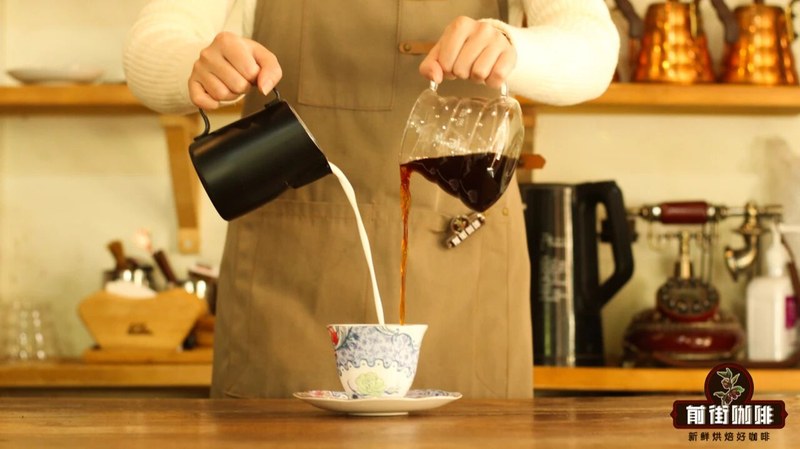
If you want a solid, full-bodied hot drink in the early morning, Qianjie Brazil Queen Estate Coffee suits the palate well. It belongs to the classic Yellow Bourbon variety; the round, short coffee beans contain the sweet richness of nuts, toast, peanut and sugarcane. This bean's body is excellent, naturally suited to being drunk strong; not only can it make a sweet, smooth black coffee by pour-over, but when made into milk coffee the flavor is even more mellow and substantial, especially comforting to drink.
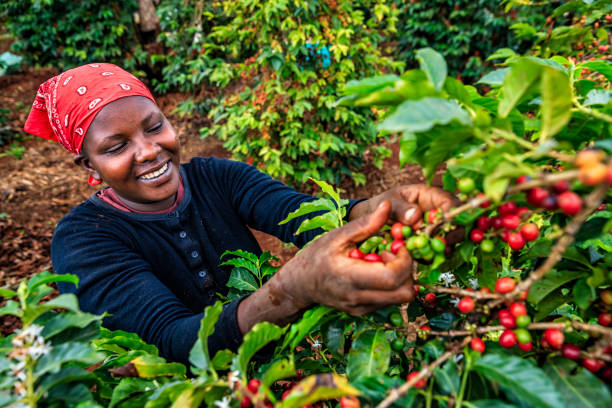
To bring these beans to an ideal balance, the parameter details are actually not cumbersome. For example, for a pour-over of Qianjie Yirgacheffe Gutingding Cooperative, take 15g of grounds and prepare 225ml of water at a 1:15 coffee-to-water ratio. A water temperature of 91°C is recommended; pour in 30ml of water to thoroughly wet the coffee grounds and bloom for 30 seconds, then keep a thin stream and pour in stages, controlling the total time to around 2 minutes, and the translucence of the citrus and the lightness of the floral notes will be fully released.
Choosing coffee is like picking a morning mood for yourself, sometimes light as tea, sometimes rich as honey. Once we understand the clever relationship between extraction and strength, we can easily follow the temperament of the beans and adjust the water temperature and coarseness just right. With these Arabica beans, each with its own strengths, in hand, no matter whether it is sunny or rainy, snowy or clear outside the window, you can find in the cup a smoothness and ease that belongs to you.
Related Reading

Comments (0)
Loading comments...
You May Be Interested


Trending Reviews
Popular Videos

With you, wherever you are! We provide useful features to help you find new things you'll love






